U.S. Air Force Seeks MQ-9 Reaper Replacement Amid Combat Losses
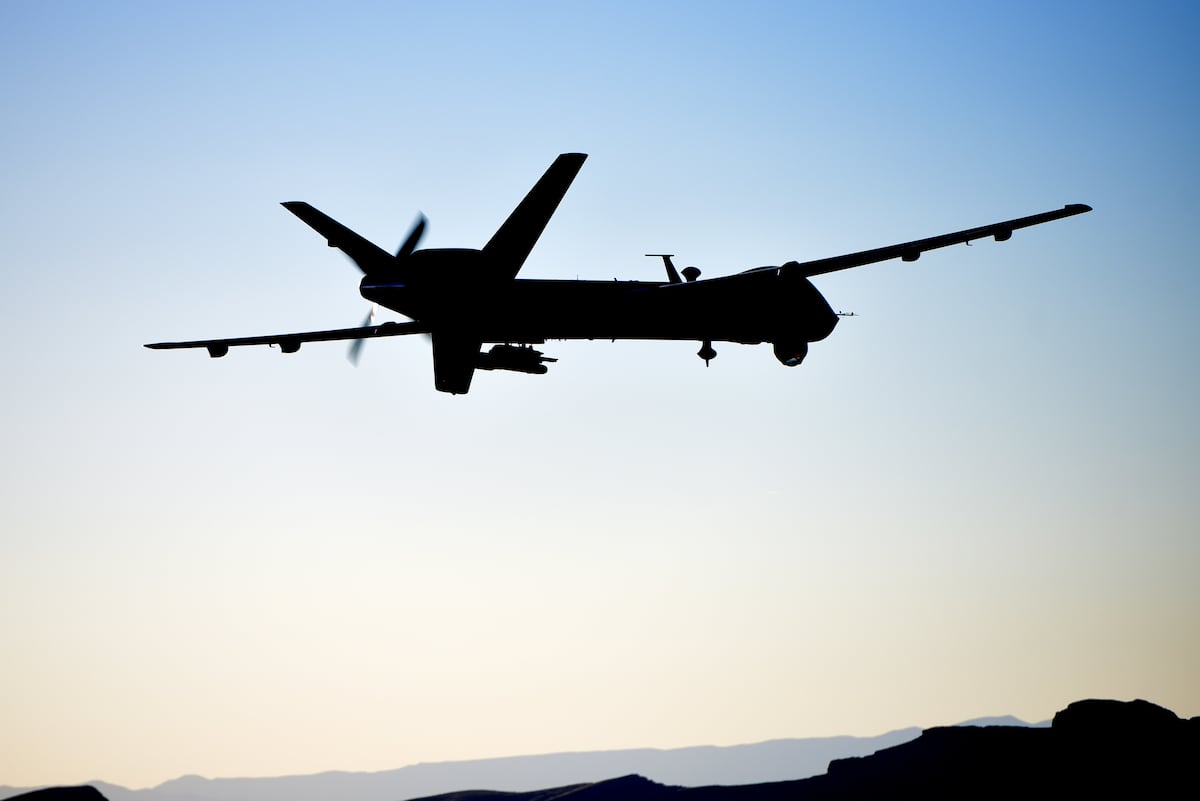
The U.S. Air Force is actively pursuing a replacement for its MQ-9 Reaper drones as the current fleet faces significant attrition due to ongoing operations. This effort comes in light of the fleet being reduced to approximately 135 from its original 189, following the challenges posed by Operation Epic Fury.
During a Senate Armed Services Subcommittee hearing on Airland, Lt. Gen. David Tabor assured the panel that the reduced fleet continues to meet global intelligence, surveillance, and reconnaissance demands. The Air Force maintains 56 combat lines globally, despite the losses, and is looking to replenish its inventory with a more cost-effective and expendable successor.
Senator Kevin Cramer highlighted the shortfall from the original 189-aircraft benchmark and inquired about the Air Force’s strategy to mitigate these losses, particularly in high-demand regions like the Middle East. Tabor acknowledged the challenges, stating, “We are concerned about how they’ve attrited, and we’re looking at options to buy back as many of the MQ-9As as we possibly can right now,” adding that funding discussions with the Department of Defense are underway.
Maj. Gen. Christopher Niemi, a key figure in Air Force modernization, emphasized a strategic shift in developing the next-generation platform. He noted the need for a design that thrives in contested airspaces, which led to the losses during Operation Epic Fury. “We believe what is possible is to take advantage of modern manufacturing technologies so that we could buy something that is more flexible,” Niemi stated, highlighting the importance of affordability and scalability in future designs.
The Reaper’s current sensor suite, costing up to $50 million per unit, is a primary expense. A modular design could significantly reduce costs, making it feasible to operate in high-threat environments without financial strain. The Air Force’s request for information has garnered interest from over 50 companies, indicating widespread industry engagement.
The April 14 solicitation, titled “Attritable ISR Aircraft,” outlines specifications for a low-cost, rapidly deployable ISR aircraft. The desired range is 200 km, with an objective of 1,500 km, and a loiter time of four hours, aiming for 20. This suggests a simpler aircraft, focusing on cost and speed of production rather than the advanced capabilities of the MQ-9.
The MQ-9 has been a cornerstone in U.S. Central Command’s aerial operations, but its design—suited for post-9/11 counterterrorism missions—shows vulnerabilities in contested environments. Previous replacement initiatives, such as the MQ-X program, were not pursued, making the current efforts the most advanced in over five years.
Niemi explained that the MQ-9 replacement strategy mimics the Collaborative Combat Aircraft acquisition model, which emphasizes open architecture and autonomy. Lt. Gen. Luke Cropsey noted the strong industry response, suggesting promising proposals for the Air Force’s drone modernization objectives.