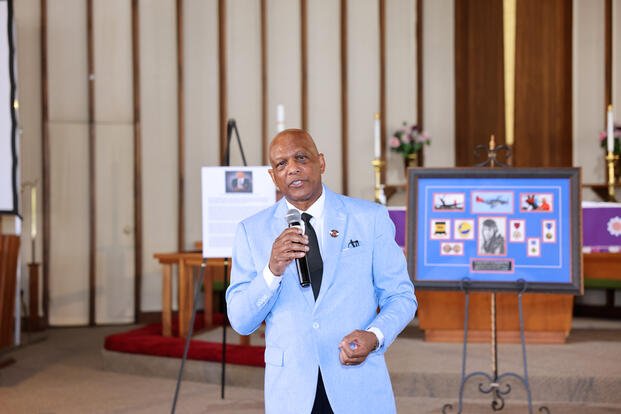
The legacy of the Tuskegee Airmen continues to shine brightly, more than half a century after their remarkable contributions to World War II. These trailblazers shattered racial barriers and forged a new path for African-American and Caribbean air and ground crews within the U.S. Army Air Forces.
In Philadelphia, an event on March 28, preceding Pennsylvania’s official Tuskegee Airmen Commemorative Day on March 29, celebrated the enduring impact of these pioneering aviators. The Tuskegee Airmen, awarded the Congressional Gold Medal in 2007, are remembered for their distinguished service and role in transforming perceptions of who could be a pilot. Read more about their contributions.
Mel Payne, president of the Greater Philadelphia Chapter of Tuskegee Airmen, emphasized the importance of their story, telling Military.com, “Because of what they stand for and what they have done, I think it’s something that we need to make sure the rest of the world knows about.”
Payne noted, “Their legacy is not just a moment in history but rather a living example of excellence, resilience and service that continues to inspire us today.” He urged Americans to honor the Airmen’s determination and commitment in their daily lives, using it as motivation for personal excellence. Learn more about their inspiration.
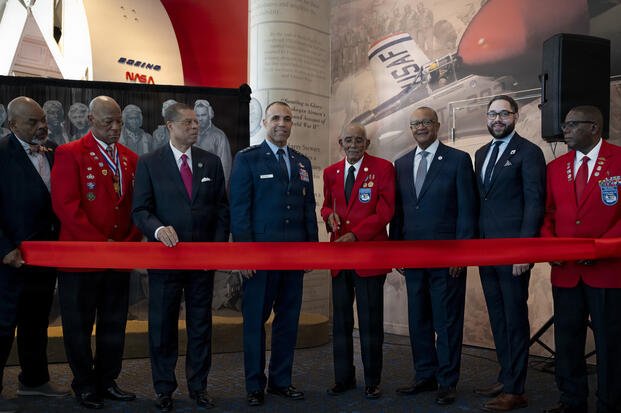
The ceremony included Heritage Family Presentations, honoring relatives of the Tuskegee Airmen, and the distribution of “Red Tails” Commemoration Day pins to first-time and grandfathered members of the Greater Philadelphia Chapter.
Blazing Trails on the Ground and in the Air
The Greater Philadelphia Chapter encompasses a wide range of roles, from navigators and bombardiers to mechanics and nurses, all of whom contributed to the Tuskegee Airmen’s success. The 332nd Fighter Wing, in particular, encapsulates this diverse group.
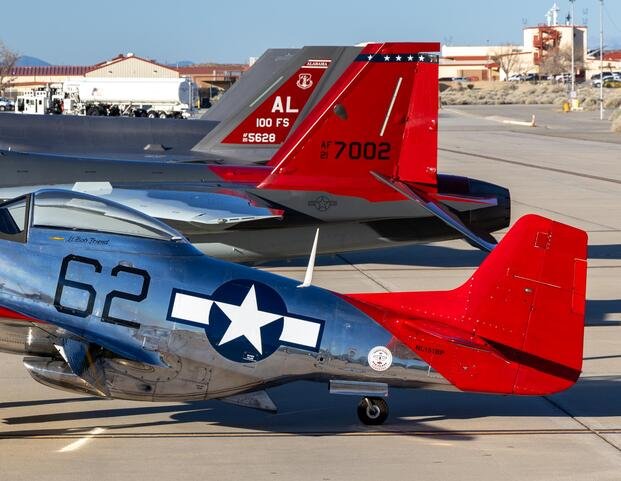
Initially, these pilots trained in the Army’s PT-17 Stearman bi-plane before becoming known as the “Red Tails.” Their training sites included Griel Field, Kennedy Field, and the Tuskegee Army Air Fields, with flight testing taking place at Moton Field.
The group included individuals from diverse backgrounds, such as five Haitians from the Haitian Air Force and a pilot from Trinidad, along with a Hispanic or Latino airman from the Dominican Republic.
James Thompson, a board member of the Greater Philadelphia Chapter, expressed that “history belongs to all of us, and after today, we are all responsible for telling the story of the Tuskegee Airmen once you learn about it.” The Tuskegee legacy is preserved at a national historic site in Tuskegee, Alabama.