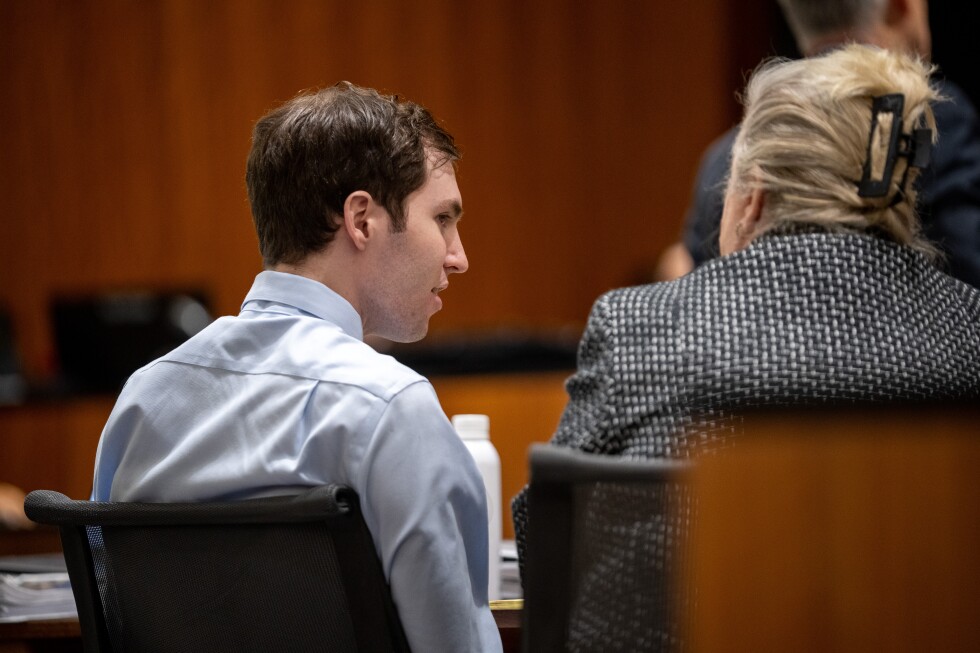
In Provo, Utah, the ongoing trial of Tyler Robinson, accused of killing conservative activist Charlie Kirk, has sparked significant debate over media coverage and courtroom transparency. As the defense argues that media portrayals are prejudicing the trial, questions about the role of cameras in the courtroom have taken center stage.
During a pretrial hearing, Robinson’s defense team urged a Utah judge to prohibit cameras, claiming that live broadcasts are influencing potential jurors by focusing on Robinson’s behavior and alleged statements. They contend that media conjecture is painting Robinson as a “monster,” hindering his chance for a fair trial.
In contrast, media organizations, alongside prosecutors and Charlie Kirk’s widow, Erika Kirk, advocate for the presence of cameras, arguing that transparency is essential to counter misinformation and conspiracy theories. Utah County prosecutor Chad Grunander emphasized, “Mischief lurks in the dark or in secret. Let’s shine a light on these proceedings, a bright light, so the public can have confidence in what happens in this courtroom.”
Robinson, who turned himself in the day after the alleged crime, has not yet entered a plea. The incident occurred on September 10, when Kirk was shot while speaking at Utah Valley University. The prosecution is seeking the death penalty if Robinson is convicted of aggravated murder.
Media Influence and Courtroom Decorum
Issues with media coverage have persisted, exacerbated by sensational headlines and unverified reports. A recent example includes a headline suggesting the bullet did not match Robinson’s alleged weapon, prompting speculation about his potential exoneration. The defense presented various media clips, including a Fox News segment where Robinson was labeled a sociopath, to illustrate their concerns.
Judge Tony Graf, who is set to decide on the camera ban by May 8, has already had to manage courtroom decorum violations due to media actions. In previous hearings, inappropriate livestreaming led to temporary halts and changes in camera positions to mitigate such issues.
Despite restrictions, media advocates, including a coalition represented by lawyer Mike Judd, argue for continued access. Judd noted that while the court can regulate courtroom activities, it cannot control external media narratives entirely. Meanwhile, University of Utah law professor Teneille Brown highlighted the nuanced legal landscape, stating, “There’s Supreme Court precedent that says courts generally need to be open to the public, but that’s not an absolute right.”
Evidence and Upcoming Hearings
Prosecutors are preparing for a preliminary hearing in May to establish the validity of evidence against Robinson. They have cited DNA findings and video footage linking Robinson to the incident, along with a handwritten confession and corroborating statements from online chat platforms.
The defense, however, insists on receiving further details from federal agencies regarding DNA analyses before proceeding. Deputy Utah County Attorney Ryan McBride countered the defense’s request, stating, “Justice delayed is justice denied.”