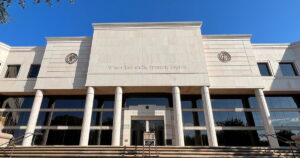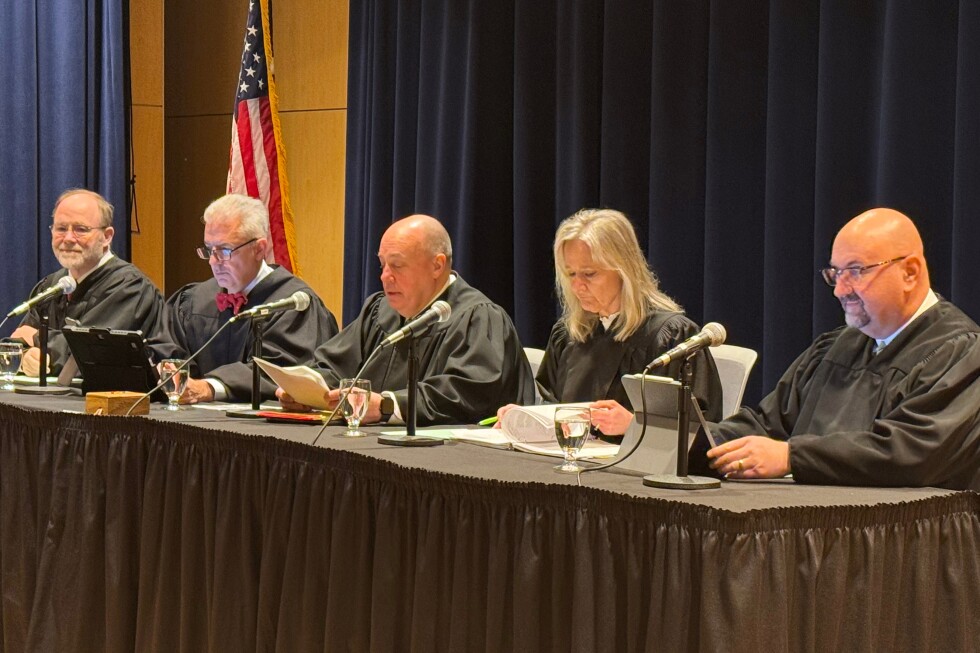
In a landmark decision, the South Dakota Supreme Court has determined that police officers involved in a 2024 shootout can have their identities shielded under Marsy’s Law. This ruling represents a significant reversal of a previous court decision, emphasizing the protection of officers from potential harassment.
The Supreme Court’s judgment asserts that the constitutional amendment, initially designed to safeguard crime victims, is applicable to law enforcement personnel.
The court’s decision specifies, “Whether a victim’s name, initials or other information should be redacted will depend on the unique circumstances of each case and the asserted interests that should be balanced by the court.” This statement underscores the nuanced approach required in such sensitive matters.
The case, referred to as “State versus Albaidhani,” arose from an incident on April 3, 2024, where two officers from Sioux Falls engaged in a gunfight with suspect Samir Albaidhani. Both Albaidhani and one officer sustained injuries but survived. As the proceedings unfolded, the officers petitioned to have their names removed from public court records.
Marsy’s Law, enacted by South Dakota voters in 2016, offers crime victims several rights, including protection from intimidation and harassment. It permits victims, upon request, to restrict the public and defendant’s access to information that could lead to harassment.
Previously, a circuit judge ruled against redacting the officers’ names, stating, “a name alone does not provide location details about the individual. Nothing in the plain language of Marsy’s Law prevents the disclosure of a victim’s name.” This decision was the catalyst for the appeal.
The officers’ legal representation, Jeffrey R. Beck from the Fraternal Order of Police, argued that revealing victims’ names, particularly those of law enforcement, could easily lead to personal information being accessible online. Beck highlighted that a simple search of his own name yielded extensive personal history.
On the opposing side, attorneys Kylie Beck and Emily Herbert from the Minnehaha County Public Defender’s Office contended that withholding names from public documents could hinder legal processes, making it challenging to contact or subpoena individuals involved in cases.
The case has been remanded to the circuit court for further proceedings in alignment with the Supreme Court’s opinion.
___
This article was initially published by South Dakota News Watch and shared through a partnership with The Associated Press.