Michigan Senate Passes $88.1 Billion Budget Proposal
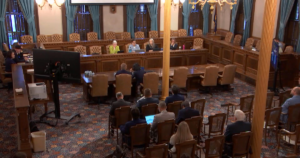
The Michigan Senate recently approved the first part of its $88.1 billion budget proposal for the upcoming fiscal year, covering approximately $63 billion in spending for state departments. This proposal stands apart from the House plan by allocating $12 billion more in state spending.
Senate Appropriations Committee Chair Sarah Anthony highlighted key areas where the budget focuses its resources, including free school meals, affordable housing, and bolstering the social safety net. The necessity for increased state spending arises from federal cutbacks under the One Big Beautiful Bill Act, particularly affecting Medicaid and food assistance programs.
In a bid to address the state’s budget shortfall, Anthony emphasized the importance of advancing the Senate’s budget vision early to allow ample time for negotiations.
Rift Between Senate and House Proposals
While the Senate’s budget proposal leans towards heightened spending, the House plan takes a divergent path by advocating for budget cuts. This contrast prompted Senate Republicans to express reservations about the spending decisions in the Democratic-led Senate proposal.
State Senator Thomas Albert criticized the allocation of funds, particularly objecting to the potential addition of state employees, increased hunting and fishing fees, and additional financial support to local governments. He also raised concerns about the sustainability of one-time spending items for ongoing needs.
The Senate’s proposal also drew criticism for dipping into the state’s rainy-day fund, a move deemed unwise by Senate Republicans due to concerns about future financial emergencies.
Challenges and Negotiations Ahead
As the budget proposals from the Senate, House, and governor’s office diverge on key points, discussions on raising revenue, including potential tax increases, are anticipated in the future. However, the immediate focus remains on addressing pressing concerns such as healthcare access and food security.
With a deadline of July 1 looming for finalizing the state budget, negotiations among stakeholders are expected to intensify to bridge the gaps and craft a balanced fiscal plan that addresses the needs of Michigan residents.