May Day Protests Expected Across the U.S. Over Trump Policies
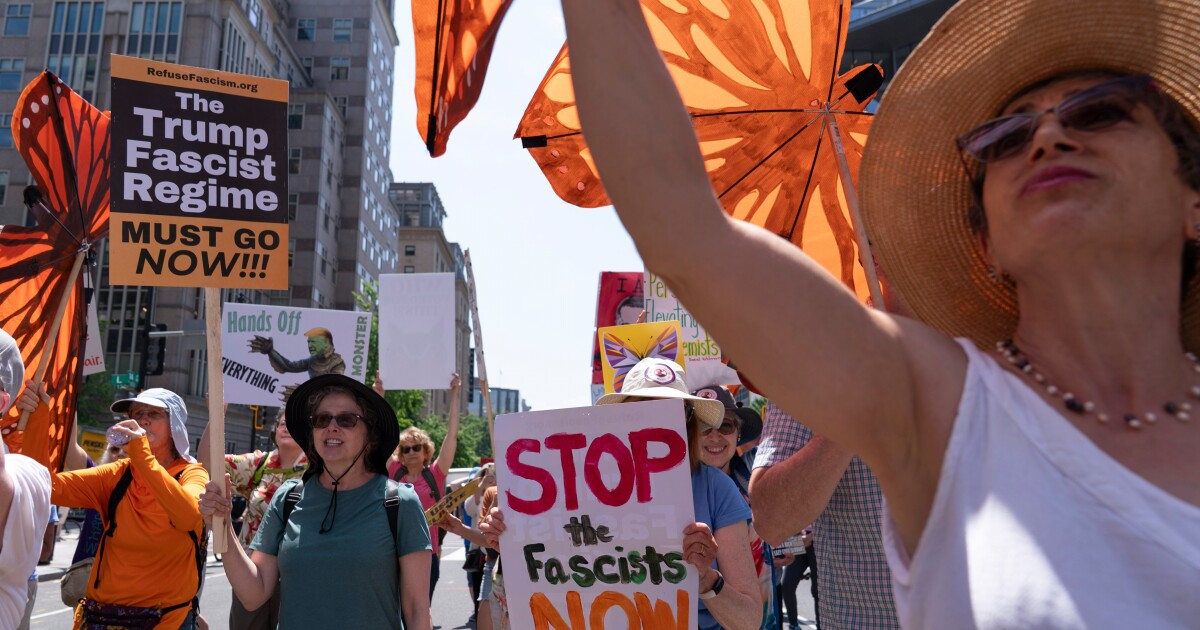
As May Day approaches, demonstrations are set to take place across the country, with organizers calling for a boycott of work, school, and shopping to protest the Trump administration’s policies. Activists are voicing concerns over what they describe as a billionaire takeover of government.
The National Education Association, the largest labor union in the U.S., with 3 million members, is a key organizer of the protests. The message this year is centered on prioritizing workers over billionaires, according to NEA President Becky Pringle.
More than 500 labor unions, student groups, and community organizations are expected to participate in the “May Day Strong” protests, marking International Labor Day. The events are meant to continue the momentum of anti-Trump protests under the “No Kings” banner that have reportedly drawn millions of people nationwide.
Background on May Day and Labor Rights
May 1, known as May Day, has a historical significance dating back to the 19th century labor movement in the U.S. The push for an eight-hour workday led to the first proposals in the early 1800s, culminating in the signing of the Fair Labor Standards Act by President Franklin D. Roosevelt in 1938.
Organizers highlight the need for increased education funding, with planned rallies in North Carolina to pressure the state legislature. Some 20 public school districts in the state will be closed due to staff absences, with educators demanding more investment in public schools and an end to corporate tax cuts.
Despite the calls for increased funding, not everyone agrees with the planned school closures. State Sen. Amy Galey of North Carolina expressed concerns about the impact on students, particularly with limited instructional days left in the school year.
Nationwide Impact and Call for Change
May Day events are not limited to North Carolina, with protests planned in cities like Chicago, Los Angeles, Seattle, and New York City. Organizers and union leaders are emphasizing the importance of taxing the ultra-rich to support essential services like education, healthcare, and infrastructure.
In response to the planned protests, the White House reiterated its support for American workers, citing efforts to renegotiate trade deals, attract manufacturing investments, cut taxes, and enhance border security.
to format the text as needed.
—
Original Article:
Title: “Study Finds Link Between Social Media Usage and Mental Health Issues”
A recent study conducted by researchers at a leading university has found a significant association between excessive social media usage and mental health issues. The study, which surveyed over 1,000 participants, revealed that individuals who spent more than two hours a day on social media platforms were more likely to report feelings of loneliness, anxiety, and depression.
According to Dr. Smith, the lead researcher of the study, “Our findings suggest that there is a clear link between the amount of time spent on social media and mental health problems. It’s important for individuals to be mindful of their social media use and to take breaks when needed to protect their mental well-being.”
The study also highlighted that younger adults, particularly those in the 18-24 age group, were the most vulnerable to the negative effects of social media on mental health. This age group reported the highest levels of stress and anxiety related to social media use.
While social media can be a valuable tool for communication and connection, the study emphasizes the importance of moderation and self-care when using these platforms. Dr. Smith and his team are continuing their research to explore ways to promote healthier social media habits and improve mental well-being among users.
New Article:
Title: “New Research Explores the Impact of Social Media on Mental Health”
In a recent study conducted by researchers from a prestigious university, a strong correlation has been established between excessive social media use and mental health concerns. The study, which surveyed a sample of over 1,000 individuals, revealed a noteworthy connection between spending more than two hours daily on social media platforms and experiencing feelings of loneliness, anxiety, and depression.
Lead researcher Dr. Smith remarked, “Our research findings underscore the significance of monitoring social media consumption in relation to mental health outcomes. It is crucial for individuals to be cognizant of their social media usage patterns and take necessary breaks to safeguard their mental well-being.”
The study particularly focused on younger adults, highlighting the 18-24 age group as the most susceptible to the adverse impacts of social media on mental health. This demographic exhibited heightened levels of stress and anxiety associated with their social media activities.
While acknowledging the positive aspects of social media as a means of communication and connection, the study underscores the importance of moderation and self-care in online interactions. Dr. Smith and the research team are committed to further exploring strategies to cultivate healthier social media practices and enhance the mental wellness of users.
- Michigan Cracks Down on Gift Card Fraud with New Laws
- Arizona Utilities Face Decisions Amid Western Energy Market Changes
- Michigan Supreme Court Candidate Noah Hood and Disability Artists Conference
- Michigan Supreme Court Justice Noah Hood: A Look at His Judicial Philosophy Selecting the Best Cases for Judicial Review: A Justice’s Perspective
- Anxiety Among College Students Over Bleak Future VanAntwerp’s Generation Z Despair Over Political Stagnation