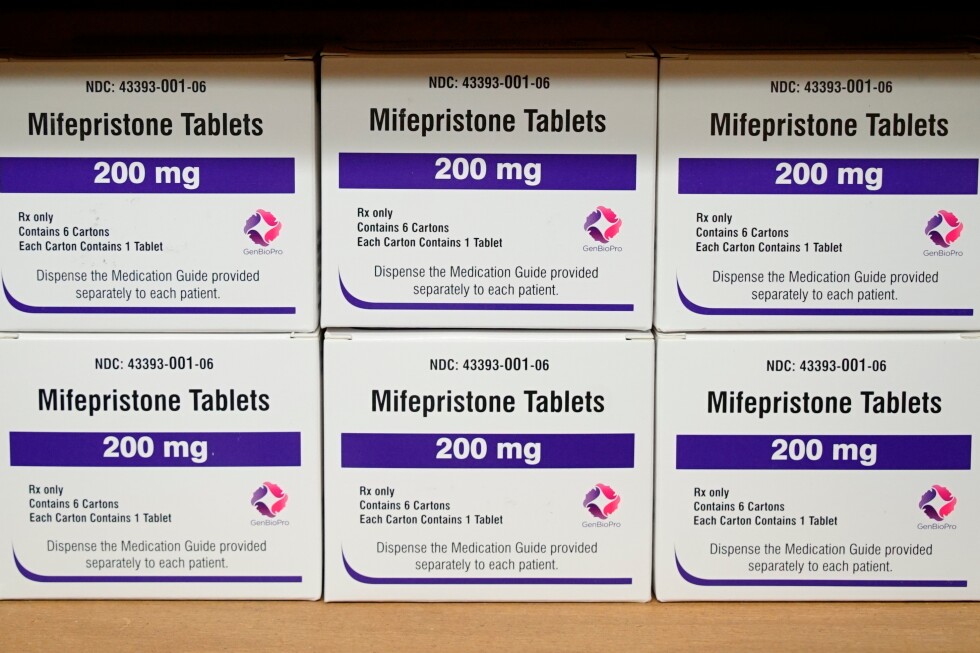
In a pivotal decision on Thursday, the U.S. Supreme Court ensured the continued availability of a drug pivotal to the most prevalent abortion method, as legal challenges proceed. This ruling comes amid ongoing discussions around the drug’s distribution and usage under FDA regulations.
Women seeking abortions can still access mifepristone through pharmacies or mail, bypassing the need for a face-to-face doctor consultation. This access is secure at least until next year, pending further legal proceedings and possible Supreme Court appeals.
This decision stems from emergency appeals by mifepristone manufacturers against a federal appeals court decision mandating in-person doctor visits and stopping mail delivery of the drug. The FDA, which approved mifepristone for abortion in 2000, lifted the in-person requirement five years ago.
Justices Clarence Thomas and Samuel Alito opposed the decision. Thomas criticized the court’s action, arguing that Danco Laboratories and GenBioPro should not benefit from profits generated by what he termed a “criminal enterprise.”
Anti-abortion advocates, frustrated with the pace of the FDA’s review under President Donald Trump’s administration, are pushing for stricter regulations on mifepristone, including limits on telehealth prescriptions. The administration has indicated that the review process is ongoing.
FDA Commissioner Marty Makary resigned recently, facing criticism from Trump’s allies, including those opposed to abortion. Groups like Susan B. Anthony Pro-Life America had urged Trump to dismiss Makary due to delays in the mifepristone review.
The Supreme Court’s involvement follows a lawsuit from Louisiana challenging the FDA’s mifepristone guidelines, claiming they contravene the state’s abortion ban and questioning the drug’s safety, despite FDA assurances of its safety and effectiveness.
Justice Alito, who authored the opinion overturning Roe v. Wade, noted Louisiana’s efforts to enforce its ban are hindered by entities distributing the drug there. He asserted that Danco and GenBioPro knowingly profit from illegal sales in the state.
Thomas highlighted that mailing the pills breaches the Comstock Act, an old law that prohibits sending abortion-related materials through the mail.
Lower courts have favored Louisiana, with the 5th U.S. Circuit Court of Appeals advocating for a pause on mail access and telehealth consultations during the case’s progression.
Mifepristone is most often used alongside misoprostol for abortion, with medication abortions comprising almost two-thirds of U.S. abortions in 2023. Telehealth providers were ready to prescribe misoprostol alone if needed.
While the Supreme Court’s recent ruling maintains current access, advocates for abortion rights caution that the legal battle is far from over.
Serra Sippel, executive director of The Brigid Alliance, remarked, “We are relieved that access to mifepristone remains protected for now, but this should never have been on the table in the first place. Patients and providers should not be forced to wait on court rulings to know whether people can access critical health care.”
Gavin Oxley, from Americans United for Life, expressed disappointment but acknowledged the possibility of a future favorable Supreme Court ruling for Louisiana.
This dispute mirrors a case from three years ago when the Supreme Court upheld access to mifepristone, opposing a 5th Circuit decision. Ultimately, the high court dismissed the lawsuit due to lack of legal standing.
In the current debate, medical organizations, the pharmaceutical industry, and Democratic lawmakers have urged the court against curtailing drug access, warning that siding with abortion opponents could disrupt drug approval processes.
The safety of mifepristone has been a point of contention for over 25 years, with the FDA easing restrictions over time. Despite this, anti-abortion groups continue legal actions, alleging the FDA overlooked safety issues.
The Trump administration has remained notably reticent at the Supreme Court, not filing recommendations despite the federal regulations in question.
This silence has been interpreted by both sides as tacit approval of the appellate court’s decision.
For more on the U.S. Supreme Court, visit AP’s Supreme Court coverage.