AI and Autonomous Trucks: New Legislation Could Transform the Trucking Industry
Artificial intelligence is poised to make a significant impact on one of America’s critical sectors: the trucking industry. A new legislative proposal recently presented in the House seeks to establish comprehensive guidelines for the autonomous trucking field, marking a first in federal regulation for these vehicles. The bill, among other things, aims to set standards for remote workers and provide workforce training grants.
On May 22, the House Transportation and Infrastructure Committee gave its approval to the BUILD America 250 Act, a comprehensive transportation bill with a five-year scope. This legislation would mandate the Department of Transportation to set safety regulations for self-driving trucks.
The committee described the bill as “the first ever autonomous commercial motor vehicle framework.” The bill was passed with a 62-2 vote, moving it closer to consideration by the full House.
The proposed legislation requires autonomous vehicle manufacturers to ensure their trucks comply with federal safety standards before they can operate across different states.
The bill also addresses the role of remote drivers, stipulating that these workers must be based in the United States. This provision aligns with concerns from lawmakers about the geographical location of remote operations for companies like Waymo. During a Senate hearing in February, Sen. Ed Markey from Massachusetts criticized Waymo for employing remote assistance workers outside the U.S., including in the Philippines, calling the practice “completely unacceptable.”
The legislation mandates that the transportation secretary require “all remote assistants, driverless operations dispatchers, and remote drivers to be physically located within the United States or any territory of the United States.”
Additionally, the bill allocates $27.5 million for the fiscal year 2027 to launch a workforce development grant program. This initiative is designed to help human truck drivers transition to autonomous technologies. Eligible programs would include training for workers with commercial driver’s licenses to operate autonomous trucks and apprenticeships or internships for vehicle maintenance technicians.
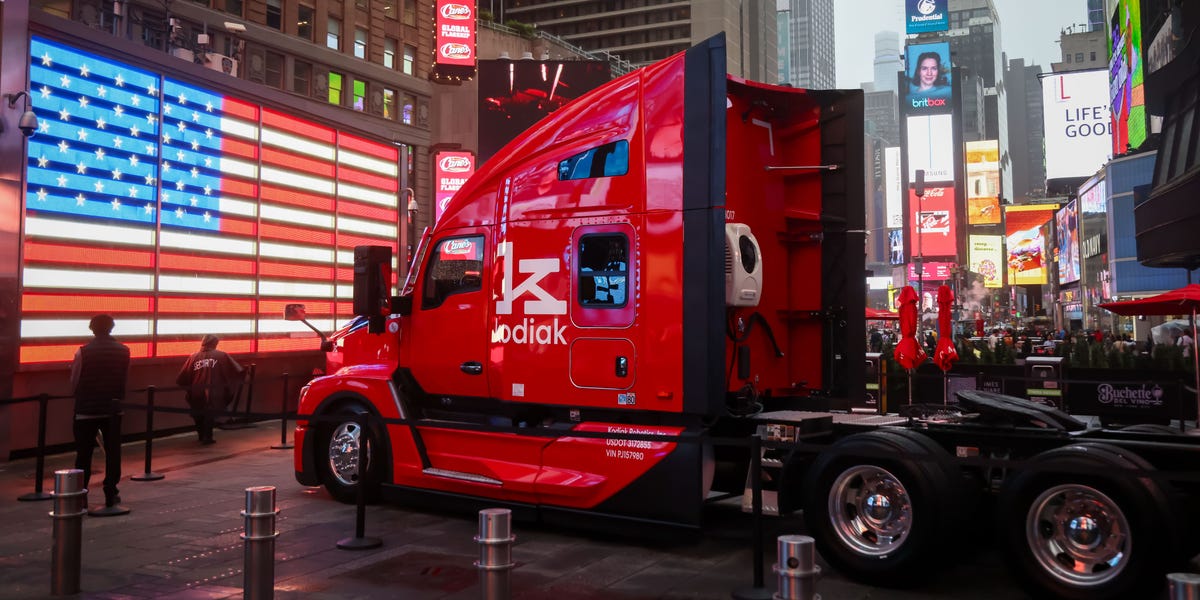
Dylan Hollingsworth/Bloomberg via Getty Images
The bill has received positive feedback from leaders in the autonomous trucking sector, who see it as a step toward a cohesive national framework for the industry. “The inclusion of a federal autonomous trucking framework in the BUILD America 250 Act is a definitive signal that the moment for autonomous trucking has arrived,” stated Lior Ron, COO of Waabi, in a statement to Business Insider. Ron also mentioned that the existing federal guidelines are “antiquated” and hinder innovation.
The timing of this legislation coincides with the growing transition of autonomous vehicles from experimental stages to commercial use. Aurora, an autonomous trucking company based in Pennsylvania, recently launched a new 200-mile route between Dallas and Oklahoma City, featuring supervised autonomous driving.
While the legislation does not immediately authorize driverless trucks to operate across state lines, it establishes a federal procedure for developing safety standards and regulating the industry. After gaining approval from the transportation committee, the bill must pass through the full House and the Senate before reaching the President for signing.