Canada’s Strategic Shift: Boosting Defense with GlobalEye Acquisition
Canada is set to enhance its military capabilities by acquiring six GlobalEye early warning and control aircraft from Saab, as announced by Prime Minister Mark Carney at Ottawa’s CANSEC defense trade show. This strategic move is not only aimed at strengthening Canada’s military prowess but also at invigorating domestic defense industries.
At the event, Carney highlighted the importance of this acquisition, estimated at over $5 billion CAN (approximately $3.6 billion USD), in reinforcing Canada’s defense strategy and supporting local firms. He stated, “With a suite of advanced sensors and mission systems, Saab’s GlobalEye will be a key resource for the Canadian Armed Forces to detect and deter threats across the Arctic.”
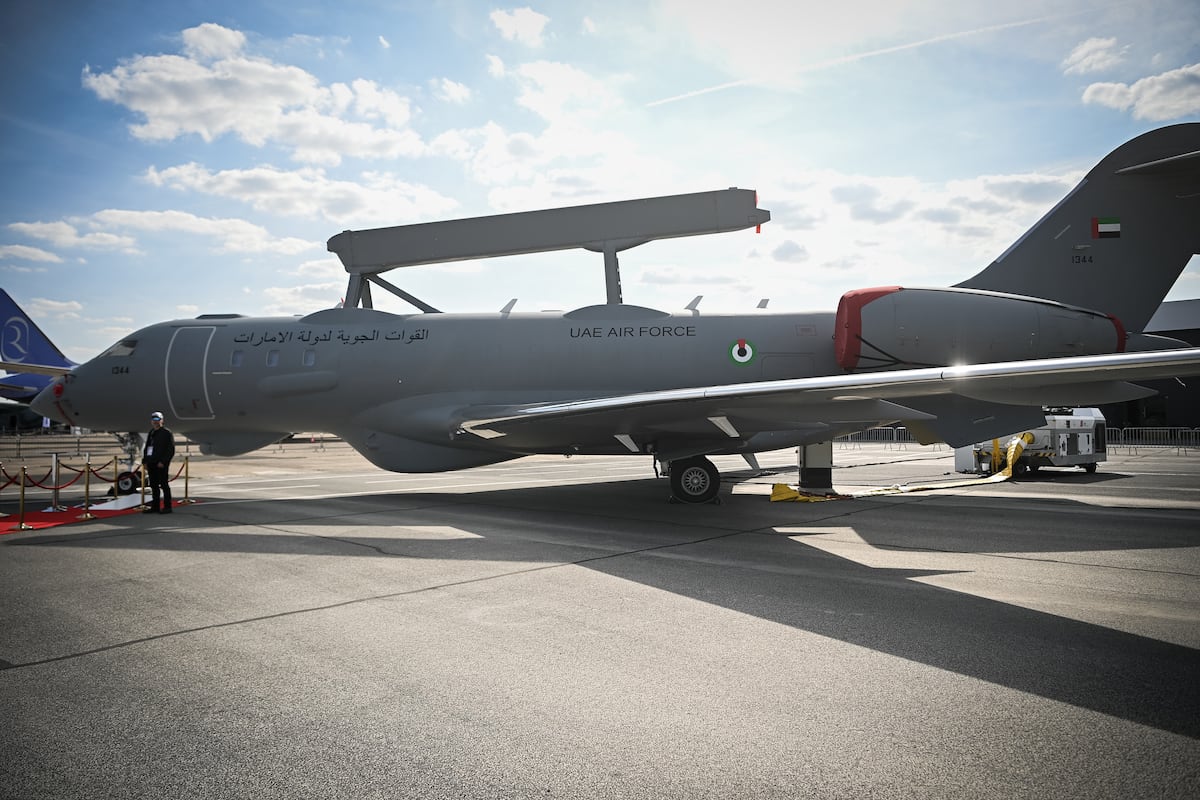
The GlobalEye aircraft, which are based on the Bombardier 6500 executive jet manufactured in Toronto, will see at least a third of the orders for allied nations built in Canada. This is part of a larger plan to produce 40 aircraft over the next 15 years, further benefiting the Canadian defense sector.
Negotiations with Saab have commenced, marking the beginning of a new era for Canada’s Airborne Early Warning and Control project. Details on the contract signing have yet to be disclosed, but the capabilities of GlobalEye to track objects up to 650 kilometers away and provide real-time intelligence are seen as crucial to Canada’s defense strategy.
Enhancing its contributions to NORAD and extending operational reach in remote areas, especially the Arctic, are significant goals for Canada. The government has committed to a substantial defense spending initiative, with plans to allocate $180 billion CAN over the next decade on defense procurement and an additional $290 billion CAN on infrastructure related to defense and security.
This push for increased defense spending has transformed CANSEC, drawing an expected 20,000 visitors, a notable increase from the usual 14,000. The initiative partly responds to pressure from the U.S. administration under President Donald Trump, who has criticized Canada for insufficient defense spending and imposed economic measures as leverage.
Carney’s strategy includes reducing dependency on U.S. military equipment and fostering alliances beyond North America. “We should no longer send three-quarters of our defense capital spending to America,” Carney emphasized in 2025. In line with this, Canada is reviewing its F-35 fighter jet purchase from Lockheed Martin, having committed to 16 of the planned 88 aircraft, with Saab offering an alternative in its Gripen fighter jet.
During CANSEC, Carney refrained from commenting on whether the GlobalEye purchase is linked to acquiring Saab Gripen fighter jets. Nevertheless, Saab and Bombardier view the announcement as a positive indication of increased involvement of Canadian firms in defense procurement.
Micael Johansson, President and CEO of Saab, welcomed the development, stating, “We welcome Canada’s decision to enter into discussions with Saab as the preferred supplier of the future Canadian AEW&C capability.”