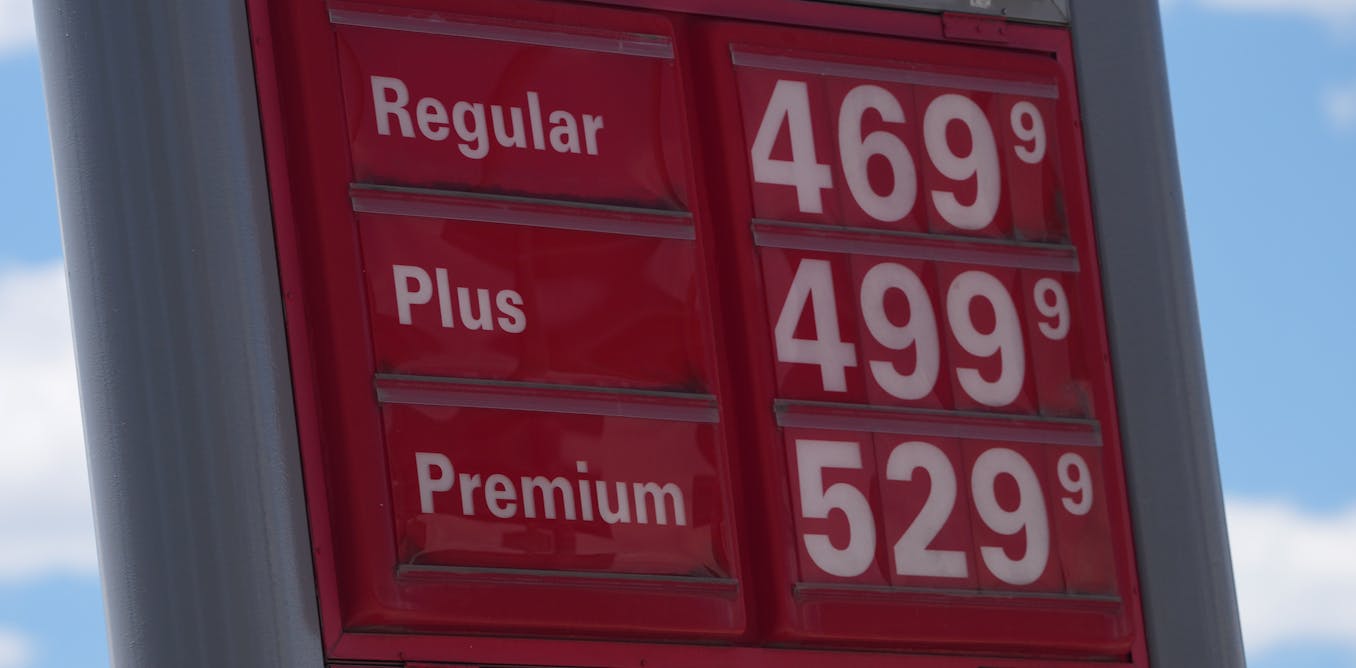
As Americans continue to feel the impact of rising inflation in their daily lives, the pressures are evident without a formal announcement. Gas prices have surged above $4 per gallon, fueled by the ongoing conflict in the Middle East and the closure of the Strait of Hormuz. The release of key price data on May 28, 2026, highlights concerns among policymakers that these pressures could expand beyond gasoline into the wider economy.
The recent economic report paints a complex picture, with monthly inflation rates showing a softer increase than anticipated, yet a notable 3.8% rise year-over-year—the fastest since 2021—raises alarms. The core index, excluding food and energy, has climbed by 3.3%, indicating that inflation’s reach extends beyond gas to housing, utilities, and recreational expenses, despite signs of a slowing economy and weaker income growth.
Experts in finance and applied investments have been closely monitoring these developments. Their predictions in the 2026 economic outlook already warned of persistent recession fears intertwined with rising prices, a challenge that now appears more enduring than initially thought.
Are all prices rising?
The latest inflation figures stem from the Personal Consumption Expenditures Price Index, or headline PCE, maintained by the Bureau of Economic Analysis. This index has been heating up, with a 3.5% year-on-year increase in March 2026, up from 2.8% in February. However, the Federal Reserve pays closer attention to core PCE, which excludes volatile food and energy prices, offering a clearer picture of underlying inflation pressures.
The focus isn’t solely on rising gas prices but on whether increased energy costs are infiltrating the broader economy. Energy costs serve as both a current inflation measure and a harbinger of future price hikes, influencing everything from shipping and airline fares to food production and consumer psychology.
While a single price hike might not cement inflation, continuous higher costs can seep into the broader economy, leading to expectations that inflation will remain high. This expectation can drive workers to demand higher wages, thereby further fueling inflation.
Some evidence already suggests the ripple effect of energy prices on inflation. The April Consumer Price Index, another inflation indicator, showed a 3.8% increase, with energy prices up by 18% and airline expenses soaring by over 20%, while grocery prices saw their largest monthly jump since 2022.
These rising costs, rather than core PCE, are the immediate reality for households. Americans face higher expenses for gas, utilities, and groceries, which influences their spending behavior, prompting the Fed to monitor how energy prices impact other inflation measures.
What’s the Fed to do?
With Kevin Warsh recently sworn in as the new chair of the Federal Reserve, the upcoming June 16-17, 2026 policy meeting will be his first as chair. He faces not only internal committee disagreements but also scrutiny over his positions on inflation and Fed policy, especially as he downplays the PCE gauge’s significance and accuracy amidst pressures from President Donald Trump to cut rates.
The Federal Reserve’s primary tool to combat inflation is raising interest rates, but this approach is not always straightforward. If energy price increases are temporary and inflation expectations remain stable, the Fed may keep rates unchanged to avoid curbing consumer spending. However, persistent inflation may necessitate maintaining higher rates or tightening further.
This presents a dilemma for the Fed’s “dual mandate” to control inflation while fostering economic growth. Elevated gas prices not only drive inflation but also reduce consumer spending power, acting as a de facto tax on consumers.
While raising interest rates could slow inflation by reducing demand, it cannot address the geopolitical issues affecting global oil supplies. However, according to recent Fed meeting notes, officials are increasingly concerned about persistent inflation potentially necessitating more rate hikes, even as current rates remain steady.
Meanwhile, Treasury bond yields have surged to their highest since 2007, signaling market expectations of higher future rates and uncertainty, which could influence mortgage rates, business borrowing costs, and the value of retirement portfolios.
What to watch at the Fed’s June meeting
With the Fed’s leadership transition, Warsh’s initial challenge may be articulating what inflation indicators the Fed will prioritize. The focus might shift between headline inflation, core inflation, consumer expectations, financial conditions, or signals of slowing demand, especially since some inflation measures approach the Fed’s 2% target while others deviate.
Moreover, the impact of artificial intelligence on the economy adds another layer of complexity. AI-related investments are supporting economic growth despite consumer pressures from higher prices. Warsh suggests that AI might eventually help reduce prices, potentially allowing rate cuts sooner.
As the inflation outlook remains unclear, the Fed must balance weakening consumer demand and wage growth against rising inflation expectations and businesses passing on higher costs to consumers. The central question remains whether energy prices will reignite the inflation battle as the Fed seeks to maintain credibility on price stability while minimizing harm to the consumer economy.