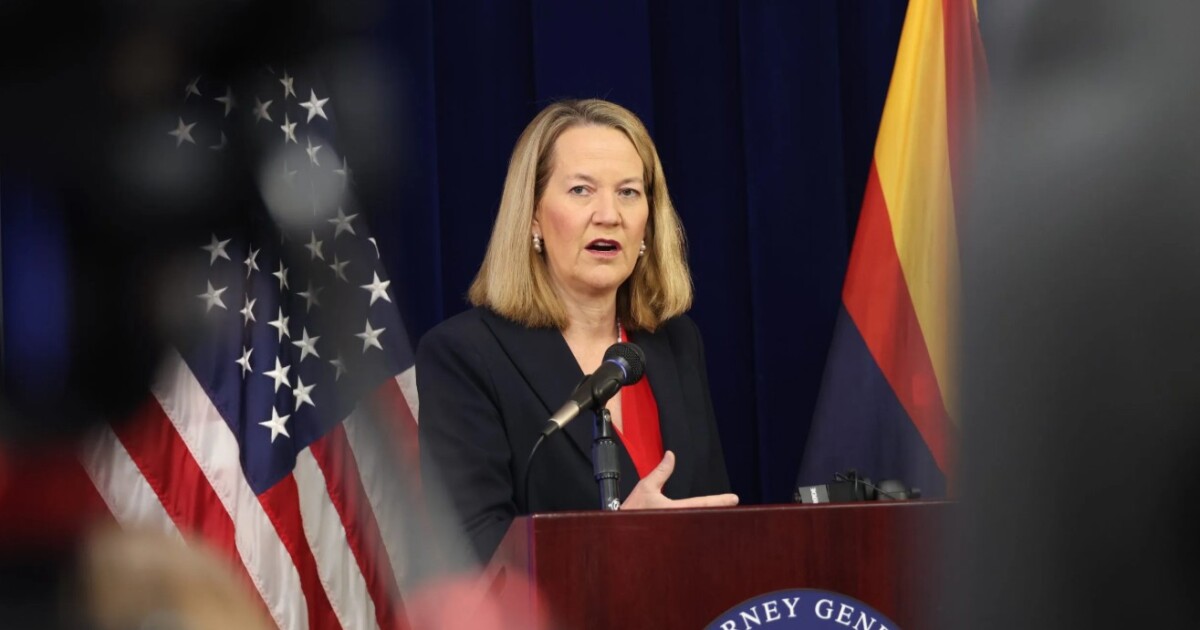
In a significant legal move, Arizona’s Attorney General has taken action against nine health insurers, alleging a conspiracy to manipulate payment structures. At the center of the controversy is the use of an AI-driven platform, which the lawsuit claims has been leveraged to reduce payouts to healthcare providers and increase patient expenses.
The lawsuit, initiated in Maricopa County Superior Court, specifically targets MultiPlan, a company specializing in billing and data analytics. The allegations suggest that MultiPlan worked with insurance companies to minimize payments for medical services obtained outside traditional networks.
The legal complaint asserts that MultiPlan utilized data from insurers to determine the minimal acceptable payment for providers. As a result, insurance companies allegedly adopted MultiPlan’s recommendations instead of independently calculating reimbursement rates.
Consistently, MultiPlan’s algorithm suggested payments below market rates, which insurers then offered to healthcare providers, perpetuating a cycle of low compensation, according to Attorney General Kris Mayes. Mayes stated, “Insurers would point to MultiPlan. MultiPlan would point to insurers. And in a coordinated effort, they would pressure providers, doctors, nurses, and hospitals into accepting that low offer.”
Mayes further contends that the insurers engaged in data sharing to suppress competition, a potential violation of the Arizona Uniform State Antitrust Act, which prohibits collaborative actions that impede market competition.
MultiPlan, however, has refuted the allegations. Jen O’Connor, representing Claritev, MultiPlan’s parent company, responded, “We are aware of the complaint filed by the Arizona attorney general against MultiPlan and strongly disagree with it. The allegations are without merit, and the company stands by its position that it complies with state and federal antitrust laws.” O’Connor confirmed that the company intends to defend its practices legally.
Implications for PPO Plan Holders
The lawsuit suggests that customers with Preferred Provider Organization (PPO) plans are among the most affected. These individuals may face unexpected out-of-pocket costs when insurers pay reduced amounts to providers.
Attorney General Mayes drew parallels with a previous case involving Ingenix, a UnitedHealth Group subsidiary, which faced similar accusations of deflating reimbursements for out-of-network care. The lawsuit accuses MultiPlan and the insurers of violating Arizona’s Consumer Fraud Act by allegedly misleading customers about the benefits of PPO plans, which typically promise greater flexibility and cost savings.
Dr. Andrew Carroll, a family medicine practitioner, highlighted the challenges faced by patients needing specialized care, such as oncologic orthopedic surgery. He expressed concerns over the limited acceptance of certain insurance plans by specialists, emphasizing the urgency and critical nature of such medical needs.
Financial and Operational Impact
The lawsuit indicates that MultiPlan benefits financially from the alleged underpayments, reportedly saving partner insurers $6.4 billion in just the third quarter of 2024. According to Mayes, “The more they squeeze our doctors and hospitals, the more MultiPlan makes profits.”
The Attorney General’s Office seeks restitution for affected parties and a halt to any coordinated efforts on reimbursement rates. The full extent of the impact on Arizona’s residents remains uncertain, but Mayes suspects the financial damages could reach billions.