Tucson’s Planning Commission Reviews Stricter Data Center Development Rules
The Tucson Planning Commission is currently assessing new regulations that could significantly impact the future of data center developments in the area. These proposed rules target projects exceeding 25,000 square feet or demanding more than 20 megawatts of energy.
The initiative for these new zoning codes arose after public disapproval of Project Blue, a colossal data center planned for construction 20 miles east of Tucson in unincorporated Pima County. Project Blue is projected to require 500 to 700 megawatts of energy and occupy 13 million square feet.
For several months, city staff have engaged with the community, local government, and the mayor to gather input on the proposed development standards.
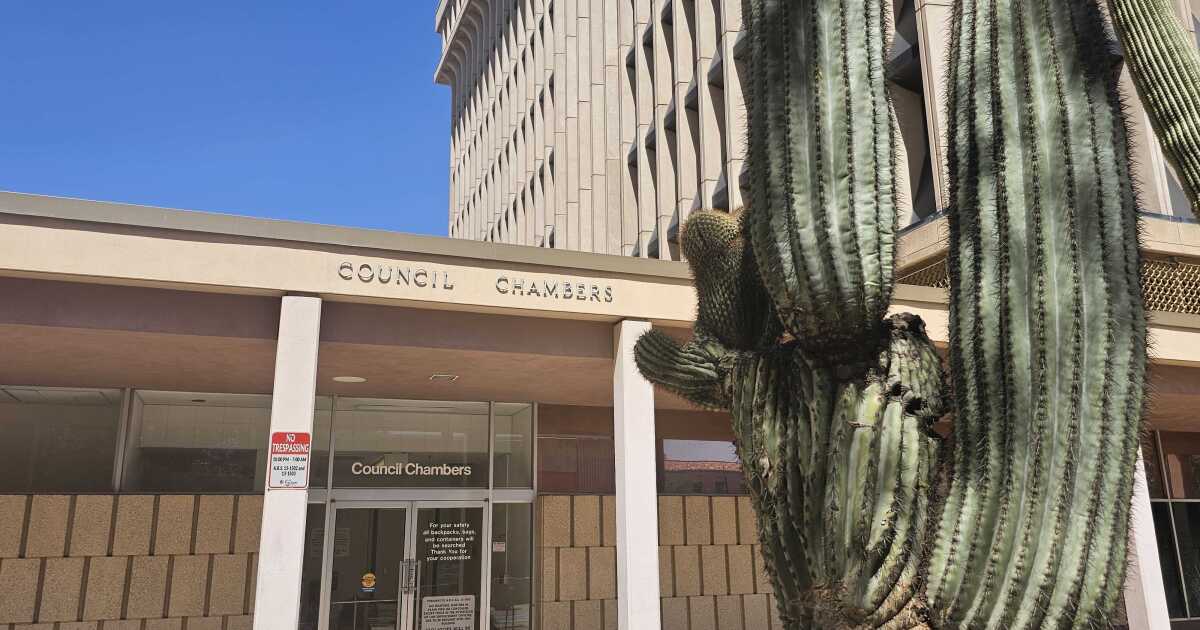
In a public meeting, Carver Struve, a principal planner from the Tucson Planning and Development Services department, presented the zoning recommendations to the commission. Struve identified water supply concerns as a primary reason for community opposition to data center projects.
“[There is] the perception that we don’t have adequate water supply to support large-scale data centers, concerns about energy demands, utility needs and infrastructure concerns about rate stress or increased electrical rates due to the construction of large-scale data centers,” Struve explained. He noted, “We heard a lot of feedback of outright opposition to large-scale data centers within the city.”
The commission’s two-hour session included a 40-minute public comment period, where discussions centered on the extent of the city’s regulatory authority over such developments and whether the proposed measures were sufficient to safeguard public interests.
Commissioner Valerie Lane from Tucson’s Ward 5 commented, “No matter what we do right now in the city of Tucson, these guys went to our neighbor’s backyard and are going to build one anyway, and they got well permits from the state. That’s three different government entities that are not talking to each other.” Lane advocated for regional cooperation, stating, “This is outside the purview of the zoning code, but having a regional conversation between governing bodies and coming up with a plan that works for the southwest for the state of Arizona seems essential.”
Struve pointed out that while the city cannot directly regulate energy or water use through zoning laws, the amendment aims to establish land use standards and a public review process.
Following the rejection of Project Blue, the City Council enacted a Large Quantity Water User program for Tucson Water, which requires any customer using over 7 million gallons of water monthly to declare their water needs and create conservation plans aligned with the city’s water goals.
The proposed regulations would classify interested data centers as planned area developments (PAD), differing from typical zoning types by not granting develop-by-right usage. Developers would need to meet specific criteria set forth by the commission and City Council, as detailed in the Planning Commission Memorandum.
These PAD regulations propose more stringent requirements regarding residential setbacks, noise levels, electric grid risk mitigation, and preservation of natural habitats. The commission plans to extend the hearing to address additional stipulations, including on-site renewable energy generation, site decommissioning standards, and enhanced natural resource protections. The commission is expected to submit its recommendations to the mayor and council within 45 days.