In an already crisis-stricken nation, the June 24, 2026, earthquakes in Venezuela have compounded existing challenges, leaving millions more in dire need of basic necessities. The dual tremors have further strained resources, intensifying the humanitarian crisis in a country grappling with severe shortages of food, medicine, and services.
Before this natural disaster, many Venezuelans were already fighting for survival, lacking essential goods and services. Now, the demand for shelter, medical attention, clean water, food, and overall support has surged, placing an even greater burden on the country’s limited resources.
As an expert in humanitarian assistance with over a decade of experience in Latin America, I am currently educating students on disaster field operations. This class was already examining how effective disaster recovery relies on robust local partnerships, dependable supplies, and targeted aid delivery to those most in need.
The earthquakes provide these students a real-time case study in disaster response and recovery.
Can Venezuelans living abroad reach loved ones?
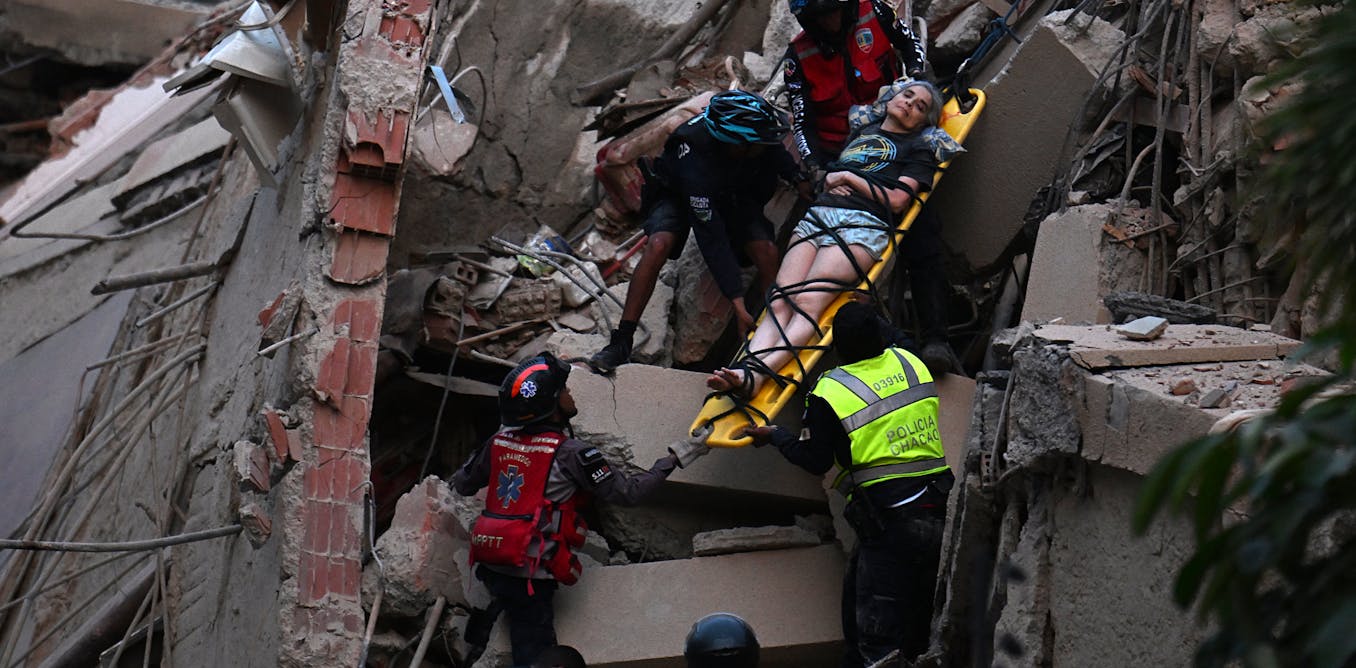
The earthquakes have left over 50,000 individuals unaccounted for, with initial reports indicating hundreds of deaths and thousands of injuries. The full extent of displacement remains unclear, as many homes have been destroyed.
For the approximately 8 million Venezuelans living abroad, including 1.2 million residing in the United States, the inability to contact family members has been distressing. This lack of communication has fueled anxiety and sorrow among those who are desperately trying to reach their loved ones.
In response, Venezuelans overseas are mobilizing to support recovery efforts. Community organizations, nonprofits, and businesses owned by Venezuelans are actively gathering donations and raising funds, demonstrating their enduring connection to their homeland.

Jesus Vargas/Getty Images
Have other countries begun to help?
The international response to the disaster has been swift, with countries dispatching helicopters, planes, and logistical equipment to aid rescue operations. Nations such as the United States, Brazil, El Salvador, Mexico, Spain, Germany, and France have pledged humanitarian aid.
However, the extensive damage to key infrastructure, including airports and hospitals, poses significant challenges for the rapid delivery of aid. The Simón Bolívar International Airport, a critical hub, has suffered severe damage, including fallen ceiling panels and debris, rendering it inoperable.
If the airport remains closed, it will hinder the distribution of aid from international organizations like the International Red Cross and the U.N. World Food Program.
What’s the best way to help Venezuela now?
As images of destruction circulate online, many are questioning how they can contribute meaningfully. The most effective way is by donating cash to established organizations already active in Venezuela, enabling them to respond swiftly and efficiently.
Monetary donations allow these groups to source essential supplies locally, supporting the community’s economy and avoiding logistical delays associated with shipping goods from abroad. This approach not only accelerates aid delivery but also bolsters local businesses, preserving jobs and fostering recovery.
The Associated Press has compiled a list of vetted organizations aiding the crisis in Venezuela.

Federico Parra/AFP via Getty Images
Are there precedents for what’s happening in Venezuela?
The situation in Venezuela draws parallels to the catastrophic earthquake that hit Haiti in 2010, both exacerbated by vulnerable infrastructure. In Haiti, the influx of inexperienced aid workers from various organizations led to prolonged recovery efforts.
For Venezuela, the hope is that the aid influx will support rather than hinder recovery efforts in a nation continuously battling adversity.