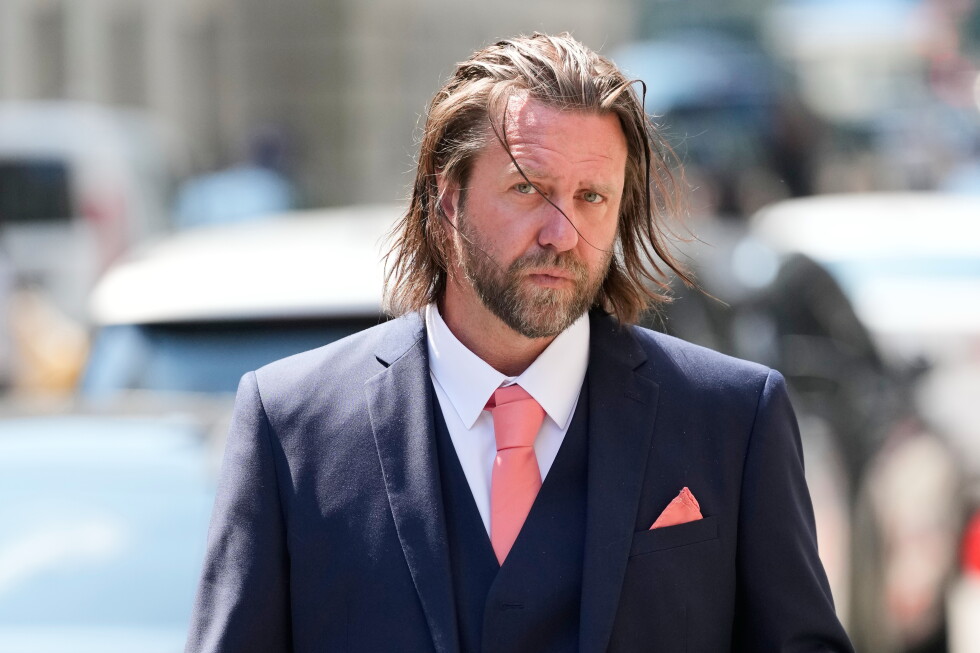
Renowned Hollywood writer and director Carl Rinsch has been sentenced to two and a half years in prison for defrauding Netflix in a high-profile $11 million scam involving a sci-fi series that was never completed. Despite support from notable figures like actor Keanu Reeves, the court handed down the sentence following Rinsch’s conviction.
Rinsch, known for the film “47 Ronin,” was found guilty in December of federal wire fraud among other charges. According to prosecutors, he misled Netflix into providing $11 million to complete a series titled “White Horse,” only to funnel the funds into his personal account. He allegedly indulged in extravagant personal purchases, including luxury cars, watches, and $638,000 on two mattresses.
In court, the 48-year-old filmmaker attributed his actions to mental health and medication issues, which he is now addressing. “This process has forced me to confront things about my health, my judgment and my life,” Rinsch explained, offering an apology for his actions and acknowledging the harm caused.
While the specifics of Rinsch’s mental health were not disclosed, his defense highlighted these issues as a factor. Nonetheless, prosecutors pushed for a five-year prison term, arguing that Rinsch’s actions were driven by “naked greed,” as stated by prosecutor David Markewitz, who noted Rinsch’s privileged background and successful career.
Rinsch, who rose to fame with the film starring Reeves, is described by the actor as bringing “exceptional joy and warmth to the people around him.” In a letter, Reeves expressed hope that Rinsch’s sentence would include “measures of leniency and mercy as well as justice,” despite admitting a lack of detailed knowledge about the case.
Prosecutors detailed that Netflix initially invested approximately $44 million in “White Horse” between 2018 and 2019, with an additional $11 million granted in 2020. However, Rinsch reportedly misappropriated the latter funds, making poor investment choices and lavish purchases, including five Rolls-Royces, a Ferrari, and high-end watches and clothing.
U.S. District Judge Jed S. Rakoff remarked that Rinsch’s mental health issues might explain some of his behavior but do not excuse the fraudulent actions. As the sentence was announced, Rinsch appeared contemplative, writing on paper and receiving support from his legal team.
Rinsch, who is scheduled to begin his sentence in September, declined to comment post-sentencing. His attorney, Daniel McGuinness, noted their intention to appeal the case. Meanwhile, Netflix remained silent on the verdict.