Indigenous Leaders Unite to Advocate for Water Rights
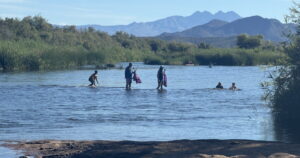
In a bid to safeguard vital water resources, leaders from the Colorado River Indian Tribes (CRIT) and other Indigenous communities worldwide gathered in New Mexico. The event, named A Meeting of Sacred Waters, aimed to explore the concept of granting rivers legal personhood, a strategy that could afford waterways similar legal protections as individuals in court.
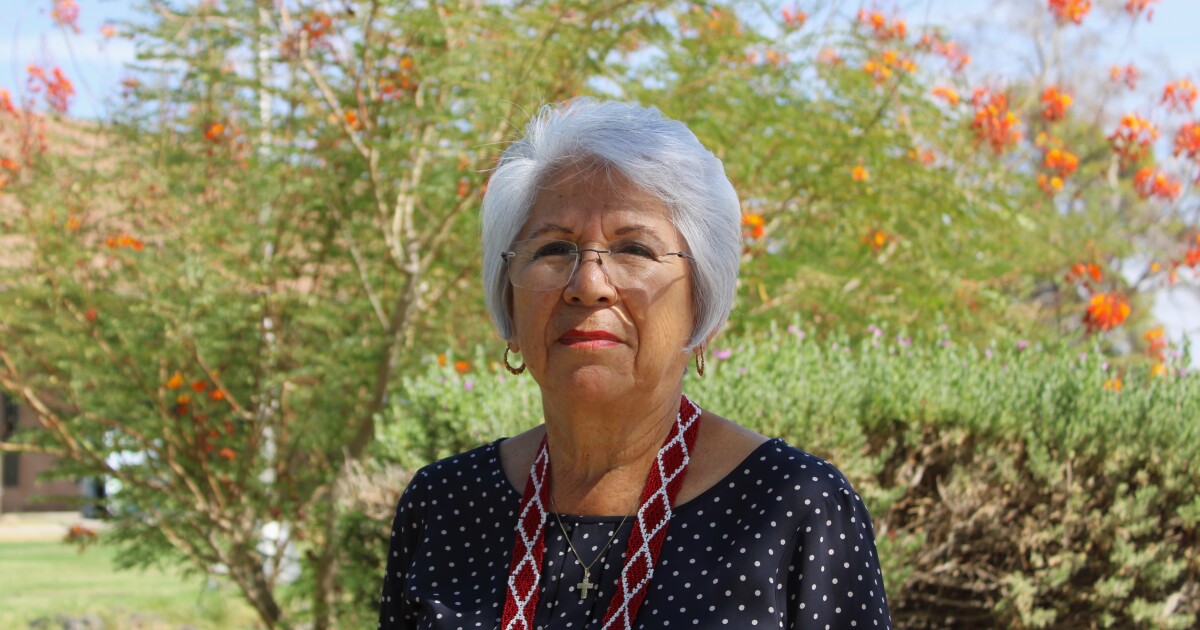
Amelia Flores, who chairs the CRIT, highlighted the importance of the summit for fostering mutual learning among Indigenous leaders from the U.S., Canada, and New Zealand. “All tribal nations are unique in their waters that they have,” Flores remarked. “We share a commonality, and that is to protect our rivers, our streams and advocate and do our due diligence as stewards of what our creator has given us, to look over and to protect for future generations.”
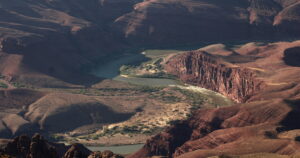
In a landmark decision last year, CRIT became the first to confer legal personhood on the Colorado River, a waterway under considerable pressure from climate change, drought, and urban and industrial demands.
CRIT, one of the 30 federally-recognized tribes in the Colorado River basin, is uniquely positioned as its lands border the river along Arizona and California. Flores noted that the tribe’s decision was influenced by insights gained from the Māori people during visits to New Zealand.
Flores also expressed admiration for the engagement of younger generations in these discussions, emphasizing the crucial role they play in water conservation efforts. “It’s the youth,” she said, “It’s the younger adults that are grasping and speaking up for water on their territories or on their homelands and protecting their river waters and streams, and it’s a good thing.”
In their ongoing efforts, CRIT has been proactive in water-sharing policy discussions and recently hosted a senior federal water official to showcase local habitats and agricultural lands.
-
Across tribal communities in northeastern Arizona, 1 in 3 homes does not have running water. But now, there’s a way to help fix that.
-
Colorado, New Mexico, Utah, and Wyoming are resisting the deal as it would enable the Navajo and Hopi to lease water to downstream cities, potentially benefitting expanding areas like Phoenix.
-
Tribal lands cover over 56 million acres, nearly 3% of the U.S., with the Land and Water Conservation Fund supporting more than 47,000 projects nationwide.
-
The 37,000-member tribe has just submitted a Wednesday preliminary injunction before the D.C. federal district court in hopes of halting the Trump administration from looking to build a wall along its 62-mile international boundary with Mexico.
-
A new study out of the University of Arizona measures the scale and economic output of tribal agriculture in Arizona — and it’s big.
“`