Michigan Senate Race: Peters Endorses Stevens Over El-Sayed
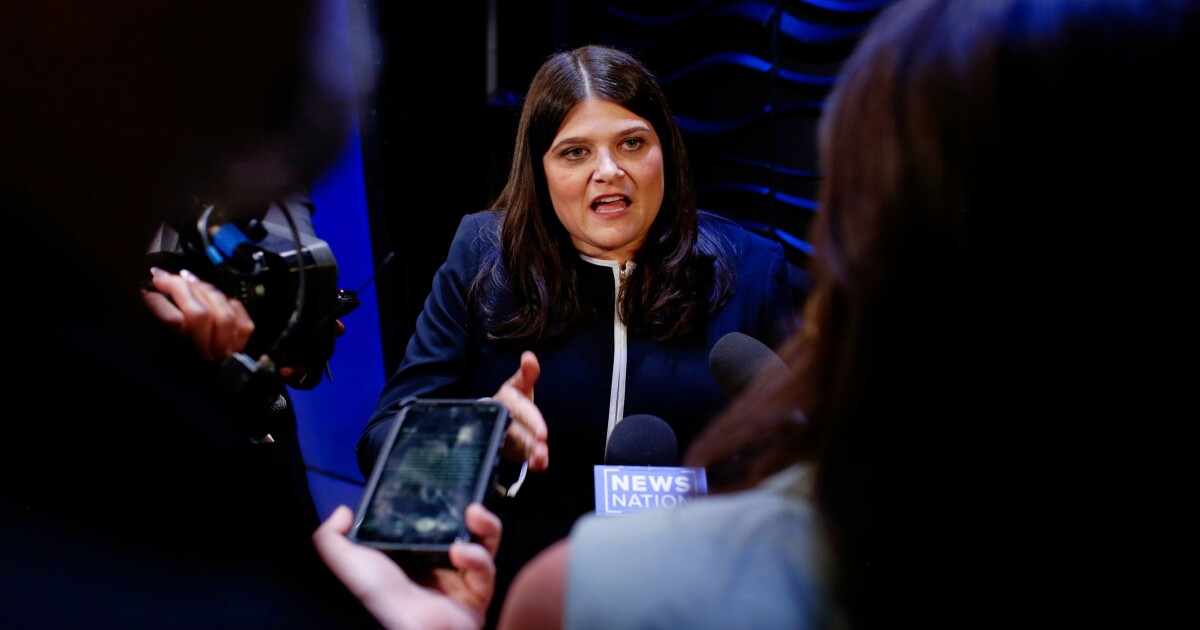
As the Michigan Senate primary draws near, outgoing Senator Gary Peters has made a significant endorsement in favor of U.S. Rep. Haley Stevens to succeed him. This move is part of a broader effort by the Democratic establishment to bolster Stevens’ chances against progressive candidate Abdul El-Sayed in the upcoming primary.
Peters, who has served in the Senate for 12 years, initially intended to remain neutral in the race but has now thrown his support behind Stevens. The endorsement, announced recently, underscores the growing momentum behind Stevens as key Democratic leaders rally behind her ahead of the August 4 primary.
Stevens, a four-term House member, is positioning herself as a moderate Democrat with a focus on manufacturing issues, particularly crucial in Michigan, a key battleground state. In contrast, El-Sayed, who lacks prior elected experience, is advocating for a more progressive agenda that includes policies like Medicare for All and campaign finance reform.
The race has intensified as concerns mount about the Democratic Party’s ability to retain the Michigan Senate seat, seen as crucial for their bid to regain the Senate majority. The situation was further complicated in Maine when nominee Graham Platner withdrew from the race following a sexual assault allegation, necessitating the selection of a new nominee against Republican Senator Susan Collins.
Stevens’ main rival, El-Sayed, received a blow when state Senator Mallory McMorrow exited the race, setting the stage for a head-to-head battle between Stevens and El-Sayed. The contest has become a focal point for the party’s internal debate on its future direction.
Peters’ endorsement adds to Stevens’ backing from prominent Democratic figures, including Senate Democratic leader Chuck Schumer, Senator Ruben Gallego, and Senator Catherine Cortez Masto. On the other hand, El-Sayed has garnered support from Senator Bernie Sanders and Senator Chris Van Hollen.
As the primary campaign heats up, both candidates have engaged in a war of words, with El-Sayed criticizing Stevens for outside support, including from the American Israel Public Affairs Committee, and Stevens calling out El-Sayed for not disclosing his financial records.
The winner of the Democratic primary is poised to face Republican Mike Rogers, a former U.S. House member, in what is anticipated to be a fiercely contested and expensive Senate race that will attract national attention.