Massachusetts Man Convicted for Illegally Exporting Electronics to Iran
A Massachusetts resident has been convicted for his involvement in a scheme to illegally export electronic components to Iran, contravening U.S. sanctions. The verdict was delivered after a jury deliberated for four days.
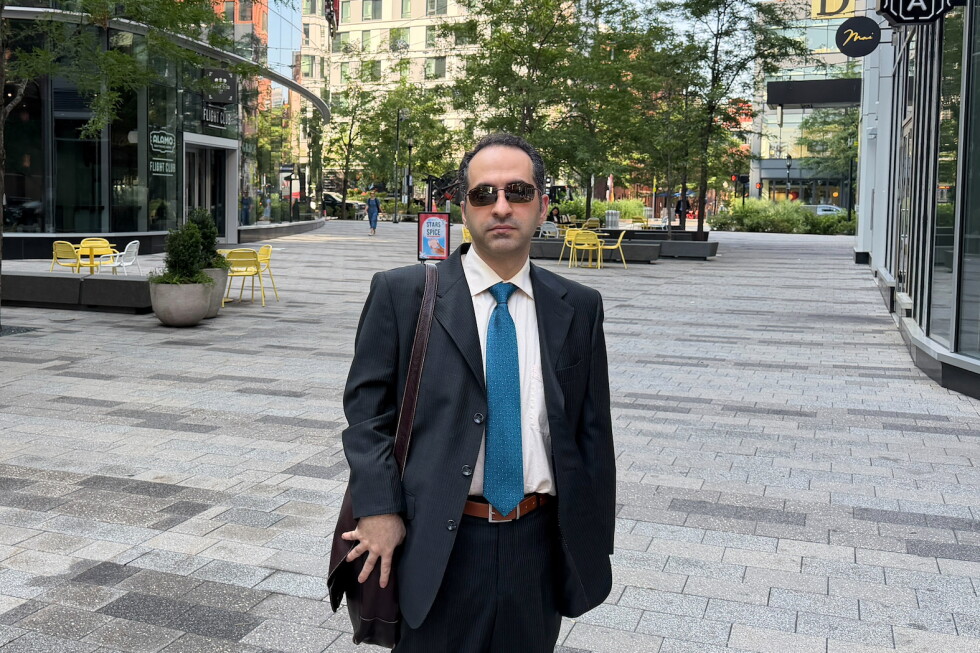
Mahdi Mohammad Sadeghi, who was employed by Analog Devices, was found guilty of conspiring with an Iranian associate to bypass U.S. export laws. Prosecutors allege that the associate’s Tehran-based firm is involved in producing navigation systems for Iran’s Revolutionary Guard’s drone program.
The alleged conspiracy involved setting up a front company in Switzerland. Another suspect, Mohammad Abedininajafabadi, referred to as Abedini in court, was not present at the trial and is believed to be in Iran following a prisoner exchange with an Italian journalist.
Sadeghi, a 43-year-old U.S. citizen, was found guilty on three of five counts. He remained composed as the verdict was read and left the court without comment. He will remain free until his sentencing on October 13.
During the proceedings, Assistant U.S. Attorney Alathea Porter emphasized the simplicity of the case to the jury, stating, “At its core, this case is straightforward. You cannot send goods, especially the goods at issue in this case, to Iran. Period. Full stop.” Assistant Attorney Jared Dolan highlighted that documentation, messages, and photos demonstrated the illicit nature of Sadeghi’s actions.
Defense attorney William Fick contested the prosecution’s narrative, arguing that the evidence was flawed and that Sadeghi was merely advising a friend on business dealings, not actively facilitating the export of prohibited items. “If you look at the world through dirty glasses, everything looks dirty,” Fick argued, suggesting that the prosecution’s case was based on biased perceptions.
Fick also contended that there was no evidence linking the exported parts to Iran and that the Swiss entity was not a front. He stressed that Sadeghi had no personal gain from the scheme, stating, “He had nothing to gain and everything to lose.”
Prosecutors had initially sought to introduce evidence regarding an Iranian drone used in a 2024 attack that resulted in the deaths of three U.S. troops. However, defense attorneys successfully argued to limit the evidence to general information about Abedini’s company’s military potential, including drone technology. Prosecutors admitted they lacked proof of Sadeghi’s knowledge of any military application.
Both Sadeghi and Abedini face charges of export control violations, with additional charges against Abedini for providing material support to a foreign terrorist organization. Abedini was arrested in Italy in December 2024 on a U.S. warrant but was later released and returned to Iran. His arrest coincided with the detention and eventual release of Italian journalist Cecilia Sala in Iran.