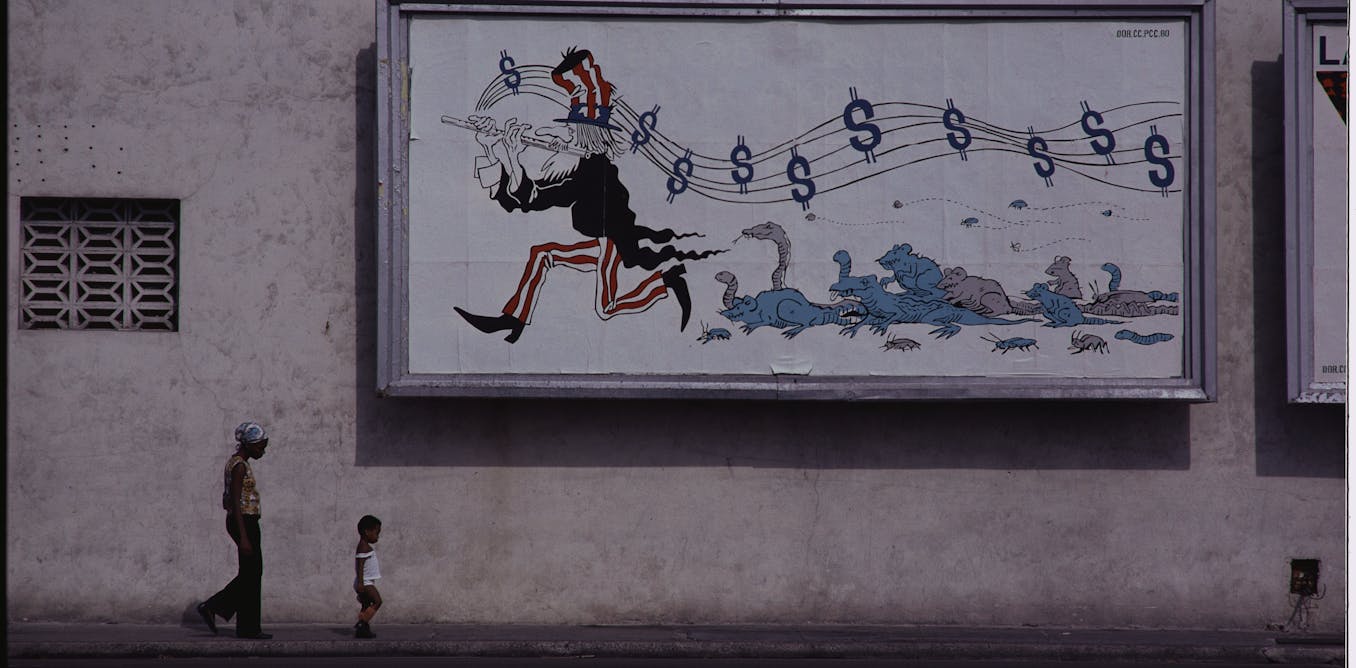
As the global political landscape shifts, democracy seems to be on the retreat. Recent findings from the V-Dem Project reveal that 41% of the global population resides in countries that are becoming increasingly authoritarian.
The authors of the 2026 V-Dem report discuss a “third wave of autocratization,” noting that democracy has receded to levels not observed since 1978. Alarmingly, numerous autocracies are intensifying their repressive measures.
This democratic decline is unfolding amidst a globalized economy—contradicting the expectations of many political economists who believed that globalization would foster democratic transitions in authoritarian states.
To explore this paradox, we consulted José Kaire from Arizona State University, author of “The Road to Repression,” which investigates the relationship between economic liberalization and increasing authoritarianism.
Theory Exploration
José Kaire’s book begins with a puzzling observation: Despite economic liberalization, dictatorships today are as repressive as ever. The prevailing belief decades ago was that economic liberalization would steer autocracies toward democracy.

The logic was that reducing the state’s economic control would limit its repressive capacity. By privatizing state enterprises and opening markets, citizens would gain independence from governmental economic influence, allowing them to demand political freedoms.
This idea was championed by Nobel laureates Milton Friedman and Friedrich Hayek and became integral to the Washington Consensus, guiding international economic policy for developing nations.
However, the reality has been more complex. Kaire’s research shows that after countries like Mexico, Malaysia, and Senegal embraced liberalization, human rights abuses often intensified, a trend observed in about half of all autocracies that liberalized.
The key, according to Kaire, is the role of autocratic elites—party officials and military officers—who see liberalization as a threat. To retain their influence, these elites may push for increased repression to counterbalance the empowerment of new groups.
Repression becomes a tool for dictators to maintain elite support, essential for avoiding coups, while continuing to appease international pressures for economic reform. This was evident in Mexico, where presidents repressed opposition to satisfy party elites threatened by reform.
Implications for Cuba and Venezuela
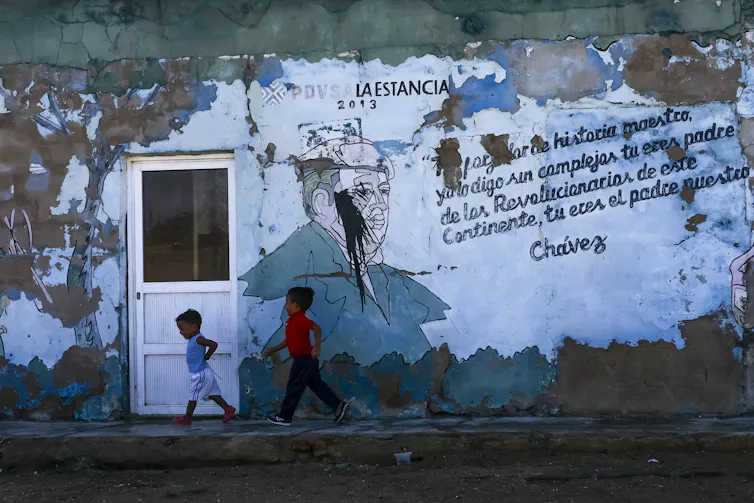
In examining current political climates, Kaire’s theory offers insights into countries like Cuba and Venezuela. Both nations are navigating economic reforms under U.S. pressure, with their outcomes potentially hinging on the balance of power between leaders and elites.
In Cuba, the transition of power from Raúl Castro saw the military and party gain autonomy, suggesting that further liberalization might result in increased repression as elites assert their influence.
For Venezuela, the aftermath of Nicolás Maduro’s removal may allow regime insiders to strengthen their positions, potentially heightening repression as a response to liberalization pressures.
Jesus Vargas/picture alliance via Getty Images
Research Insights
Kaire’s research, inspired by personal anecdotes about Mexico’s economic changes, uncovered a broader pattern of repression following liberalization in numerous countries. His findings suggest that most dictatorships that liberalized experienced increased repression.
The implications of his theory extend beyond economics. For instance, leaders under threat of international prosecution may resort to severe repression to maintain power and avoid legal consequences.
Future Considerations
The rise of artificial intelligence presents a new frontier for these dynamics. As China consolidates control over its AI sector, the political implications could mirror those seen with economic liberalization. Emerging AI elites may become crucial allies for leaders, potentially reshaping the balance of power.
The unfolding situation in AI sectors worldwide could offer a preview of how autocratic regimes might adapt to technological changes, reflecting the patterns observed in Kaire’s research.