Appeals Court Blocks Trump’s Voter List Initiative in Key States
In a significant judicial development, a federal appeals court has maintained a block on former President Donald Trump’s executive order intended to establish a federal voter eligibility list and restrict mail ballot deliveries. The decision affects nearly half of the United States, stemming from a legal challenge by 23 states.
The 1st U.S. Circuit Court of Appeals judges dismissed the Trump administration’s attempt to implement mail-in voting constraints before the midterm elections. These measures were contested in court by numerous states that filed lawsuits against the executive order.
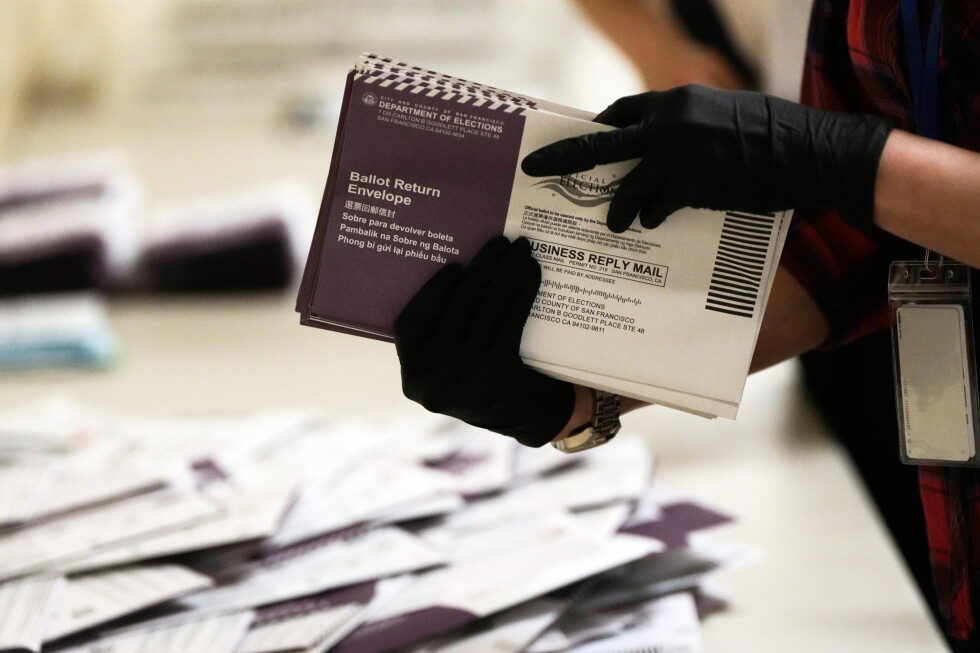
The executive order, issued in March, directed the U.S. Citizenship and Immigration Services and the Social Security Administration to compile a “state citizenship list” of eligible voters. Additionally, it mandated the U.S. Postal Service to send mail ballots exclusively to individuals on that list.
Trump promoted these proposed changes as necessary precautions to prevent non-citizens from voting. However, state election officials expressed concerns, arguing that the measures were open to misuse and could lead to electoral disruption.
Opposition came from Democratic officials across 23 states and Washington D.C., who challenged the legality of Trump’s directive in a Boston U.S. District Court. They claimed the order was unconstitutional, asserting that the power to regulate elections resides with the states and Congress, not the president.
U.S. District Court Judge Indira Talwani, appointed by former President Barack Obama, sided with the plaintiffs and blocked the implementation of Trump’s order for the November 3 elections, but only in the states involved in the lawsuit.
The Justice Department, responding to the court’s decision, stated it is “reviewing all options” for future legal actions and remains optimistic that Trump’s executive order will eventually succeed in court.