The Trump administration’s window to challenge a significant Supreme Court ruling on birthright citizenship officially closed on Tuesday with no action taken. This development marks the end of a notable chapter concerning attempts to restrict automatic citizenship for children born in the U.S. to non-citizen parents.
Despite President Donald Trump’s initial pledge to seek a rehearing after the Supreme Court’s decision, the 25-day period to file such a request elapsed without any new submissions. Historically, the court’s willingness to reconsider argued cases is exceedingly rare, with the last instance occurring over fifty years ago.
Supreme Court’s Landmark Decision
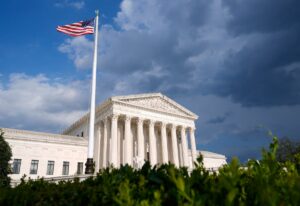
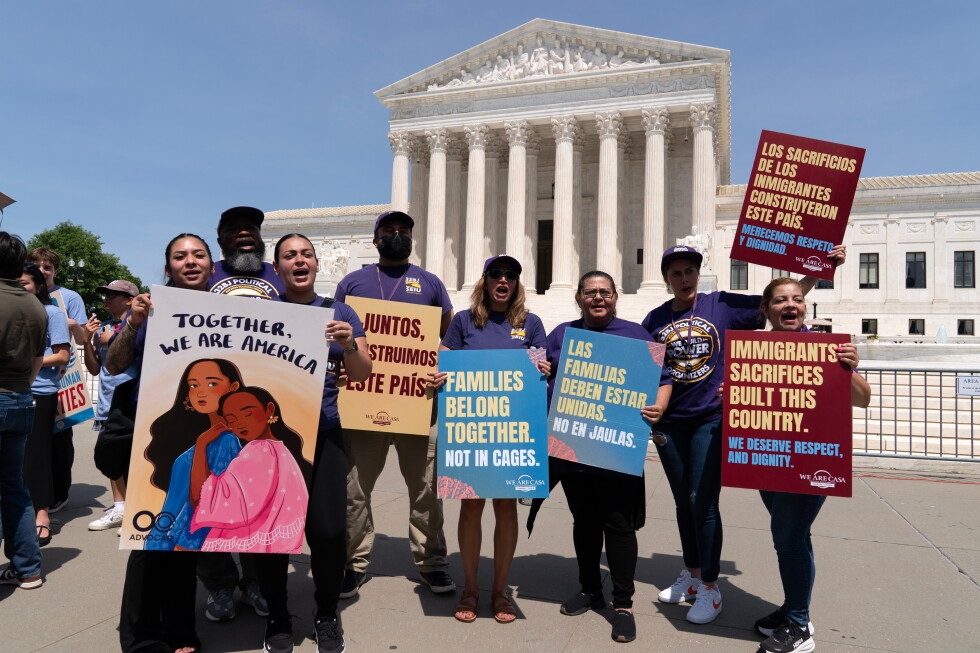
In June, the Supreme Court delivered a 6-3 ruling against Trump’s executive order, which aimed to deny birthright citizenship to children born on U.S. soil to parents who are either illegal or temporary residents. Prior to reaching the Supreme Court, the order had been consistently blocked by lower courts, and it never took effect nationwide.
Nevertheless, three justices—Samuel Alito, Neil Gorsuch, and Clarence Thomas—expressed support for upholding the restrictions. Meanwhile, Justice Brett Kavanaugh acknowledged that while the Constitution might not bar the president’s proposal, it did contravene existing federal legislation.
Challenges in Seeking a Rehearing
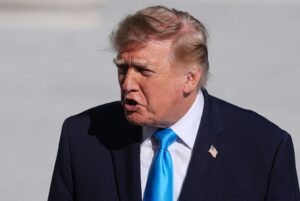
Following the Supreme Court’s decision, Trump announced via social media his intention to request a rehearing “IMMEDIATELY.” However, neither the White House nor the Justice Department has responded to inquiries regarding this matter.
Aaron-Andrew Bruhl, a law professor at William & Mary Law School, highlighted the formidable challenge in convincing the court to reconsider its stance. “The bar to grant a petition for rehearing is high,” Bruhl noted, as it would necessitate at least one justice who ruled against Trump to change their opinion and a majority of the court to concur.
Historically, the Supreme Court last agreed to alter a decision in 1965, with the previous reversal of a decision dating back to 1956, as per Bruhl’s insights.