The Fifth Amendment of the United States Constitution, a cornerstone of American legal rights, safeguards individuals from self-incrimination, a concept deeply embedded in both legal proceedings and popular culture. This protection, stemming from the Bill of Rights, ensures that no individual “shall be compelled in any criminal case to be a witness against himself,” a principle that has captivated public attention through legal dramas and high-profile real-life applications.
Recently, this amendment came into the spotlight when Dr. Anthony Fauci, a prominent figure in the COVID-19 response, exercised his Fifth Amendment rights during a contentious Senate committee hearing. Subpoenaed by Republican Sen. Rand Paul, Fauci chose to invoke the Fifth over 100 times, adding tension to the ongoing debates over the pandemic’s management and origins.
The Fifth Amendment’s Historical Context
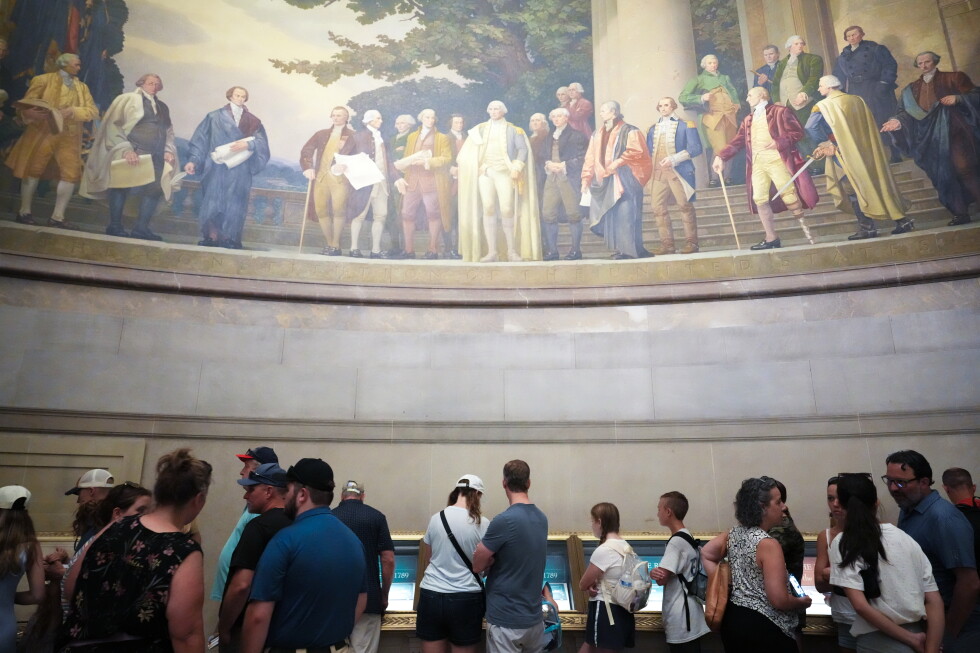
Though often associated with American jurisprudence, the right against self-incrimination has origins in English common law dating back to the 17th century. The framers of the U.S. Constitution incorporated this and other protective measures within the first ten amendments to curtail the powers of the federal government. This set of amendments, focusing on criminal justice, encompasses rights such as legal representation, a speedy trial, and protection from double jeopardy.
Central to the U.S. criminal justice system is the presumption of innocence, shifting the burden of proof to the prosecution. Without protection against self-incrimination, defendants might be forced to demonstrate their innocence, contradicting the foundational premise of being innocent until proven guilty.
Application Across Legal Boundaries
Throughout U.S. history, the scope of the Fifth Amendment has broadened beyond federal criminal cases to state courts and civil proceedings. When invoked in criminal trials, juries are instructed not to interpret silence as guilt. In contrast, civil cases may allow negative inferences based on a refusal to testify.
Despite these instructions, jurors in criminal trials might still associate silence with culpability. Witnesses can also invoke the Fifth, although they may selectively answer questions. The amendment’s application extends beyond courtroom settings to congressional hearings, where witnesses may plead the Fifth to protect against potential criminal implications of their testimony.
Notable Instances of Invoking the Fifth
Dr. Anthony Fauci’s recent invocation of the Fifth Amendment during a Senate hearing mirrored other high-profile instances, such as Donald Trump’s use of the amendment during a 2022 deposition in a civil case involving the Trump Organization.
Historically, the Fifth Amendment has played a role in significant events, such as the 1950s anticommunist hearings led by Sen. Joe McCarthy. Witnesses during these hearings faced condemnation and severe repercussions despite their right to remain silent.
For more on Dr. Anthony Fauci, visit here. To read about Donald Trump’s deposition, click here.