U.S. Army Opens Test Ranges to Private Companies for Faster Weapons Development
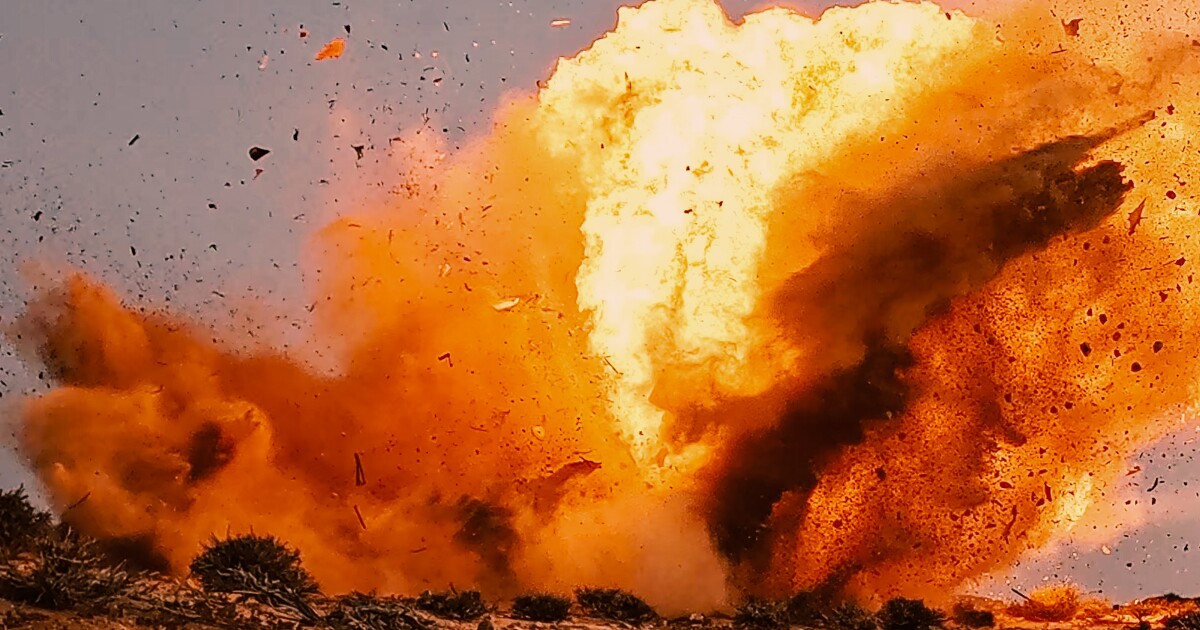
In a strategic move to expedite the procurement of advanced weaponry for battlefield deployment, the U.S. Army has announced the opening of its test ranges to private companies involved in missile, drone, and weapon development. This initiative aims to streamline the acquisition process, allowing companies quicker access to testing facilities both domestically and internationally.
Army Secretary Dan Driscoll emphasized the significance of reducing bureaucratic hurdles that often hinder military contractors, stating that the current timeline of 12 to 18 months for testing critical equipment is inadequate. The new approach intends to facilitate innovation and enhance the effectiveness and safety of soldiers in combat situations.
Adapting to Evolving Warfare
The global landscape of warfare is evolving rapidly, demonstrated by recent conflicts involving sophisticated drone technologies, such as the Shahed drones used by Iran and Ukraine’s advancements against Russian forces. As the Pentagon grapples with the costs and resource depletion resulting from ongoing conflicts, the Army’s decision to open test ranges reflects a strategic shift towards agility and efficiency in weapons development.
Driven by observations from the conflict in Ukraine, Army Secretary Driscoll emphasized the need to align with the pace of technological advancements seen in other nations. By fostering collaboration with industry partners and incentivizing innovation, the Army aims to break down barriers that have historically impeded rapid weapon acquisition.
Facilitating Industry Engagement
The newly implemented program offers companies, including Covenant Industries, the opportunity to test new weapons, such as cruise missiles, at designated Army ranges. This initiative extends to drone and missile developers, enabling them to access testing facilities without existing military contracts. By promoting industry involvement and investment, the Army seeks to enhance the lethality and safety of soldiers while bolstering national security.
An analysis by the Center for Strategic and International Studies highlighted the strain on the U.S. military’s supply of advanced interceptors due to ongoing conflicts. This scarcity underscores the urgency for expedited weapons development to address emerging threats effectively.
Amid discussions on munitions stockpiles, Army Secretary Driscoll reaffirmed the nation’s commitment to maintaining a robust arsenal. Emphasizing the need for layered defenses and continuous innovation, Driscoll underscored the importance of staying ahead in the evolving landscape of modern warfare.
For more details, you can access the original article here.
Original News Article:
A new study published in the Journal of Environmental Science has found that air pollution levels in major cities have decreased by 20% in the past year. The study, conducted by a team of researchers from the University of Environmental Studies, analyzed data from air quality monitoring stations across 50 major cities.
The researchers attribute the decrease in air pollution to lockdown measures imposed due to the COVID-19 pandemic. With reduced industrial activities, transportation, and overall human movement, the levels of nitrogen dioxide and particulate matter in the air have significantly dropped.
Dr. Smith, the lead researcher of the study, stated, “This unprecedented reduction in air pollution levels is a silver lining amidst the challenges posed by the pandemic. It provides us with valuable insights into the impact of human activities on air quality and underscores the need for sustainable practices moving forward.”
New Article:
In a recent study published in the Journal of Environmental Science, researchers have revealed a significant 20% decrease in air pollution levels across major cities over the past year. This decline, as highlighted by scientists from the University of Environmental Studies, is mainly attributed to the implementation of lockdown measures in response to the ongoing COVID-19 pandemic.
The study, which involved an analysis of air quality data collected from monitoring stations in 50 major cities, demonstrated a notable reduction in nitrogen dioxide and particulate matter concentrations. These pollutants, often associated with industrial activities and transportation, have visibly decreased due to the decreased human movement during lockdown restrictions.
Lead researcher Dr. Smith emphasized the importance of this decline, stating, “The decrease in air pollution levels witnessed during this period offers valuable insights into the impact of human activities on environmental quality. It underscores the necessity for sustainable practices in our daily lives to maintain this positive trend in the long term.”