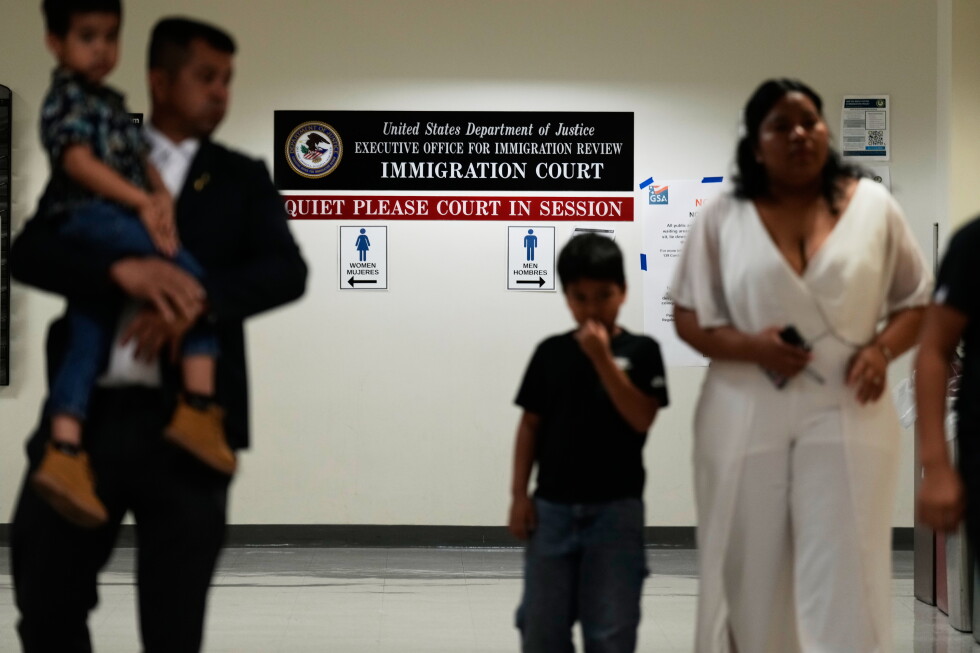
In the bustling corridors of Sacramento’s immigration court, a stark reality unfolds as scores of immigrants face hearings without legal representation. The absence of attorneys in such hearings can significantly alter the outcomes, leaving many immigrants at a disadvantage.
Kamalpreet Chohan, a dedicated attorney, is at the forefront of a program aimed at bridging this gap by offering volunteer legal assistance to those navigating the complex immigration court system. As she reviews a list of 57 names, she notes the glaring absence of legal representation for all on the list.
Challenges in Securing Legal Representation
Unlike criminal courts, immigration courts do not provide attorneys to defendants, leaving many to fend for themselves. Immigrants must either pay for costly private lawyers or hope to secure representation from nonprofit organizations, which often have extensive waitlists and limited resources, especially in certain regions of the country.
In the current climate of increased deportations under the Trump administration, the stakes are higher than ever. Courts have intensified their efforts to deny asylum, and immigration enforcement actions have become more aggressive, with officers arresting individuals even within court premises.
According to the Vera Institute of Justice, 52% of the approximately 3.2 million pending deportation cases lack legal representation. A Congressional Research Service study reveals that individuals without lawyers have significantly lower success rates in asylum cases—only 19% compared to 47% for those with legal representation.
“Having an attorney is just super critical to be able to navigate the system successfully,” said Adriel Orozco from the American Immigration Council.
Scams and Legal Assistance
Chohan frequently encounters immigrants who have been defrauded by individuals posing as lawyers. One such individual, a man from Guatemala, recounted his experience of paying $4,500 to a lawyer who ultimately did nothing for his case. “He turned out to be a scammer,” he lamented, fearing the implications for his ongoing asylum proceedings.
Chohan provides such individuals with a vetted list of free attorneys, although waitlists are extensive. “They have long waitlists but he should still ask,” she advised.
A Day in Immigration Court
Inside the court, two judges preside over cases—one handling detailed asylum claims and another overseeing brief hearings to prepare cases for subsequent steps. Judge Susan Phan introduces Chohan to the court attendees, highlighting the voluntary assistance she offers.
Chohan, armed with a clipboard and legal forms, offers guidance to immigrants after their hearings. She underscores the importance of detailed asylum applications and ensures that immigrants understand procedural requirements, such as submitting documents in English with translations and providing complete passport copies.
Chohan’s assistance extends beyond legal advice; she provides resources for future legal clinics and emphasizes the need for detailed documentation to strengthen asylum claims.
Systemic Changes in Immigration Courts
The immigration courts have undergone significant changes, particularly during President Trump’s second term. Chohan has witnessed firsthand the impact of these changes, from ICE officers arresting immigrants post-hearing to chaotic “mega masters” hearings designed to address case backlogs.
Despite the challenges, Chohan remains committed to her role in the “Attorney of the Day” program, striving to ensure that every immigrant has access to legal support. “Until that day, the program helps bridge that gap,” she affirmed.