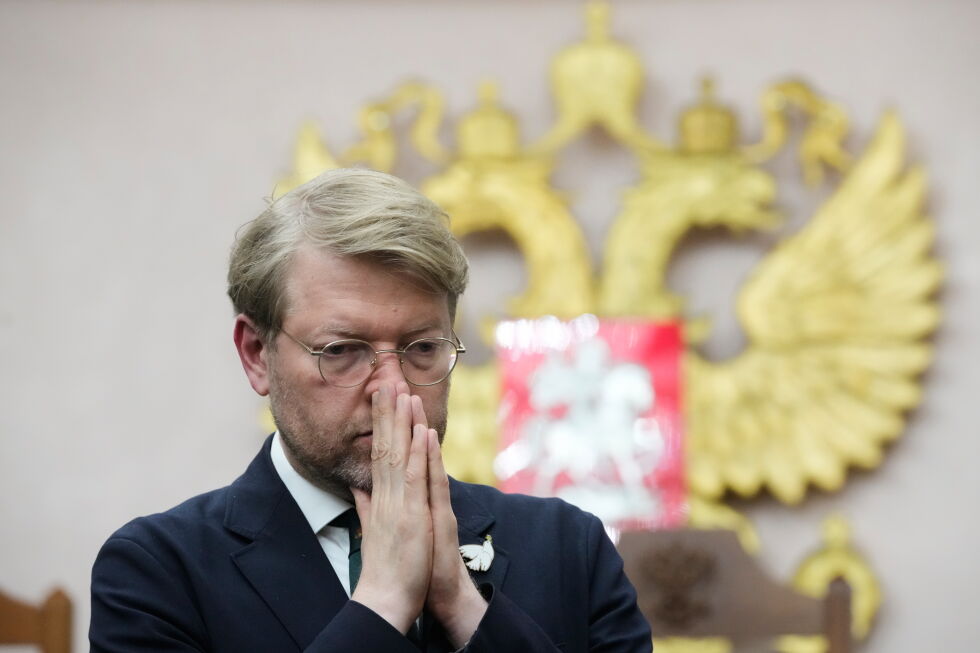
In a significant development from Moscow, Russia’s Supreme Court has made a decisive move by removing the sole party opposing the Kremlin’s military endeavors in Ukraine from the upcoming parliamentary election ballot. The decision marks a pivotal moment in the political landscape, particularly for those advocating peace and diplomacy.
On Monday, the court annulled the registration of Yabloko, known for its liberal stance and critical approach towards the government. This action followed an appeal from a pro-Kremlin party, despite the Central Election Commission previously approving Yabloko’s participation alongside ten other parties.
Historically, Yabloko stood as a leading liberal entity in parliament, losing its influence as the Kremlin consolidated its political control. Recently, Yabloko remained the only registered opposition to the deployment of Russian troops in Ukraine, campaigning under slogans such as “For a ceasefire agreement, diplomacy and peace!” and “For a Russia free from fear and political repressions!”
Grigory Yavlinsky, the veteran politician and co-founder of Yabloko, expressed dismay over the ruling, stating, “Barring Yabloko from the election means a refusal to engage in dialogue with those who ask questions that make the authorities uncomfortable.” He indicated that the party plans to appeal the decision, hoping for a shift in governmental policy towards peace and freedom.
Yabloko’s Platform and Public Support
Yabloko’s anti-war platform has garnered significant backing from various Russian opposition figures in exile, including Yulia Navalnaya, widow of Kremlin critic Alexei Navalny. Navalnaya endorsed Yabloko, citing the party’s consistent anti-war position.
Nikolai Rybakov, the chairman of Yabloko, attempted to distance the party from unsolicited support from Kremlin adversaries living abroad, emphasizing that the party is not affiliated with these figures. Meanwhile, social media platforms buzzed with organic support for Yabloko, featuring videos of young Russians symbolically holding apples or engaging with music referencing apples, indicative of grassroots backing.
Nikolay Petrov, a senior research fellow at the NEST Centre, suggested that while the authorities initially allowed Yabloko on the ballot to mitigate public dissatisfaction, the party’s call for peace resonated more deeply than anticipated, challenging the Kremlin’s strategy.
Criticism from Kremlin-Aligned Parties
Yabloko’s stance has drawn criticism from several Kremlin-aligned parties. Sergei Mironov of the A Just Russia Party called for legal scrutiny of Yabloko’s actions, while Communist Party leader Gennady Zyuganov criticized the party for not supporting President Putin’s policies. The Motherland Party’s lawsuit, which led to Yabloko’s removal, accused the party of various infractions, including its position on Ukraine.
Despite the legal and political pressure, Yabloko’s leaders and supporters remain resolute. Upon entering the courthouse, Rybakov and his colleagues were met with applause, signaling continued public support.
Kremlin’s Crackdown Intensifies
Yabloko has faced increasing repression amid a broader Kremlin crackdown on dissent. Prominent party members have been jailed or labeled as “foreign agents,” leading to further scrutiny and hindering their political participation. Notably, Maxim Kruglov was convicted of disseminating false information about the Russian military, while Lev Shlosberg is on trial facing similar accusations.
Yabloko’s endurance in the face of such challenges underscores the party’s commitment to its platform, as Yavlinsky noted, highlighting the unexpected strength of public demand for peace and freedom against the Kremlin’s expectations.