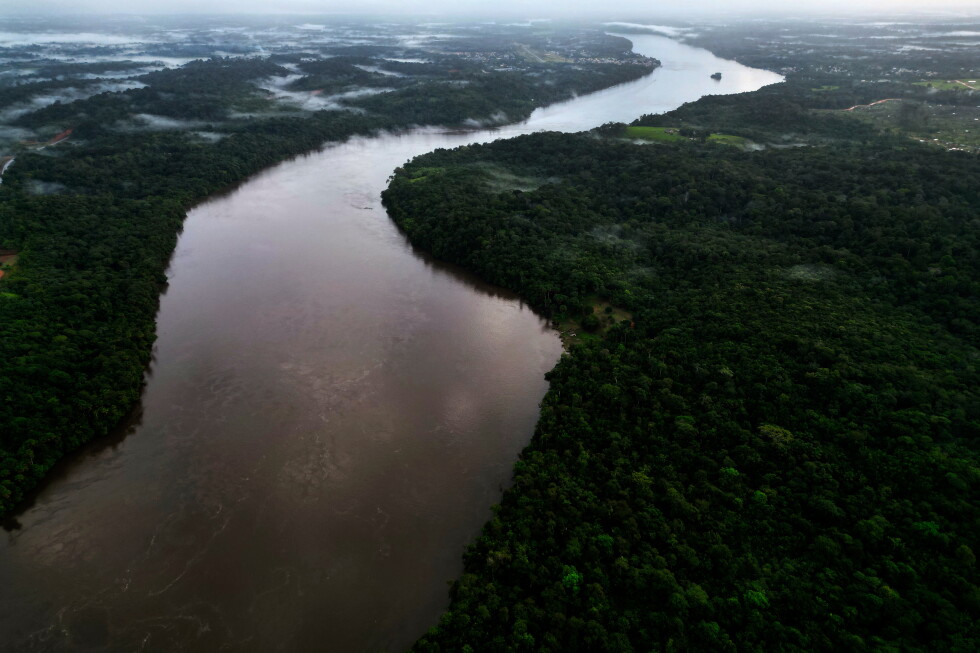
The Supreme Court of Brazil is poised to make critical decisions that could significantly alter the legal landscape for the Amazon rainforest and the Indigenous communities that rely on it. These cases, which include issues such as Indigenous land rights and recent environmental policy changes, have become pivotal in the national dialogue over conservation and development.
These cases have reached the judiciary after a conservative Congress pushed through legislation deemed by environmentalists as infringing on constitutional rights. Despite President Luiz Inácio Lula da Silva’s vetoes, the measures persisted, illustrating the challenges his administration faces in an agriculturally driven legislature. The Supreme Court is now seen as a crucial barrier against further erosion of environmental protections.
Agribusiness Influence in Legislative Decisions
In Congress, agribusiness interests have substantial sway, often prioritizing economic growth over environmental safeguards. This sector’s dominance has allowed it to pass laws that the Lula administration opposes but struggles to counter due to limited political power. Suely Araújo from the Climate Observatory expressed this sentiment, stating, “The government is very weak in the legislative arena.”
Brazil is a global leader in soybean and beef production, with significant exports to China. This economic clout reinforces the agribusiness sector’s influence over policy, challenging efforts to preserve the Amazon from deforestation—a leading contributor to climate change.
Indigenous Land Rights Under Review
The Supreme Court is also addressing a controversial “time limit” thesis that would restrict Indigenous land claims to territories occupied by them when the current Constitution was established in 1988. While proponents argue it provides clarity, Indigenous groups highlight the historical injustices of displacement and assert it hinders rightful claims.
The court’s deliberations include input from various stakeholders, with decisions expected to impact compensation rules and the timeline for land demarcations. Advocacy voices, like Ricardo Terena’s, warn that these rulings could complicate future demarcations by increasing bureaucratic obstacles.
Environmental Policies in the Legal Crosshairs
Two additional sets of cases involve the termination of the soy moratorium and a new fast-tracked environmental licensing law. While the former was instrumental in reducing deforestation by preventing cultivation on cleared land, its dissolution followed regional legislative changes. An injunction against these laws is now under Supreme Court scrutiny.
Environmentalists hope the court will invalidate parts of the licensing law that allow for self-regulation in projects with notable impacts. The environment ministry has defended the soy moratorium’s environmental benefits and remains vigilant about maintaining national standards amid legal challenges.
These cases collectively underscore the complex interplay between Brazil’s economic priorities and its environmental responsibilities. As the Supreme Court weighs these critical issues, the outcomes will likely shape the future of Brazil’s ecological and Indigenous policies.