Maricopa County Introduces Pilot Program to Address Rising Eviction Rates
In response to a surge in eviction filings, Maricopa County has initiated a pilot program aimed at providing financial relief to renters in need. This move comes as eviction numbers hit unprecedented levels in recent years, prompting the county to take action.
Renters residing in four specific Phoenix ZIP codes, which have been identified as having high eviction rates, can apply for one-time rental assistance. Qualified households may receive up to $3,200 to cover as much as two months’ rent, offering a much-needed respite for those struggling to make ends meet.
The Maricopa County Board of Supervisors has allocated $800,000 for this initiative in the current fiscal year. This program was developed in collaboration with the Arizona Multihousing Association, a landlord trade group, to address the pressing issue of housing instability.
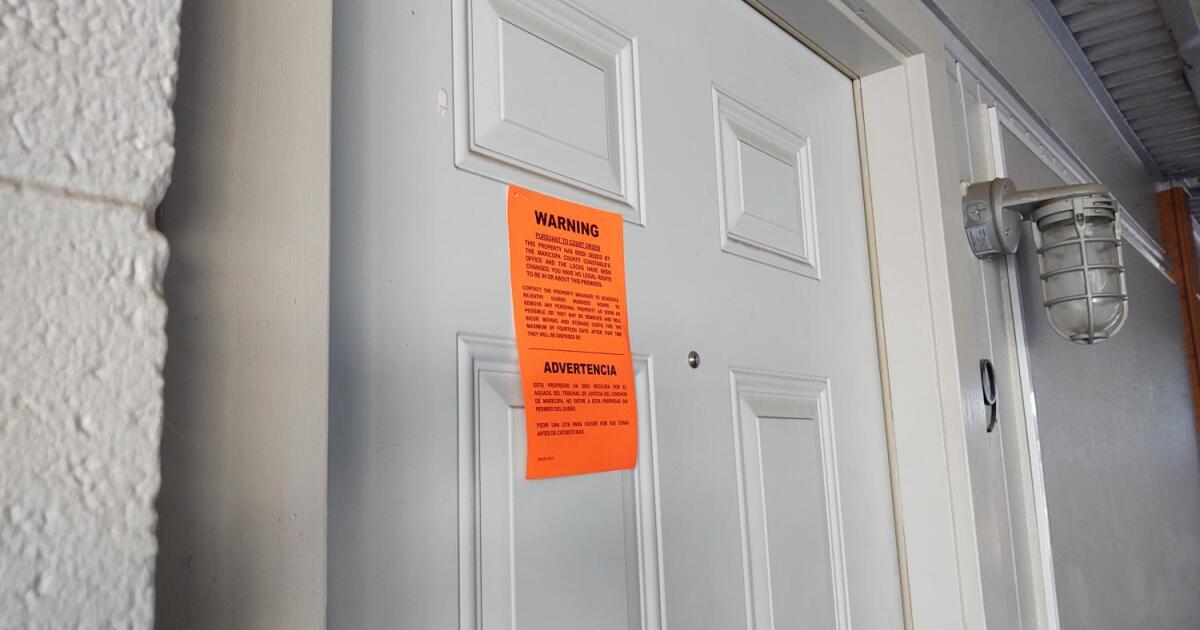
Last year, the county saw an all-time high of 87,130 eviction filings, placing significant pressure on local resources such as courtrooms and homeless shelters. This surge underscores the urgent need for effective solutions to alleviate the strain on resources and help prevent further homelessness.
The record number of eviction cases presents challenges not only for current housing but also impedes tenants’ ability to secure future accommodations, highlighting the importance of early intervention.
According to Kate Brophy McGee, the Board Chair, the pilot program aims to step in before families are taken to court. “The purpose of this pilot is to identify a potential eviction case early on, thus avoiding late fees and legal fees for both parties,” she stated in a press release. She emphasized that many residents allocate a substantial portion of their income to rent, leaving them vulnerable when unexpected expenses arise.
The county plans to monitor the program’s impact by collecting data from participating residents and property owners. This information will be crucial in determining the future of the pilot program and its potential expansion to assist more households in need.