Arizona State University Hockey Player’s Collapse Sparks Investigation
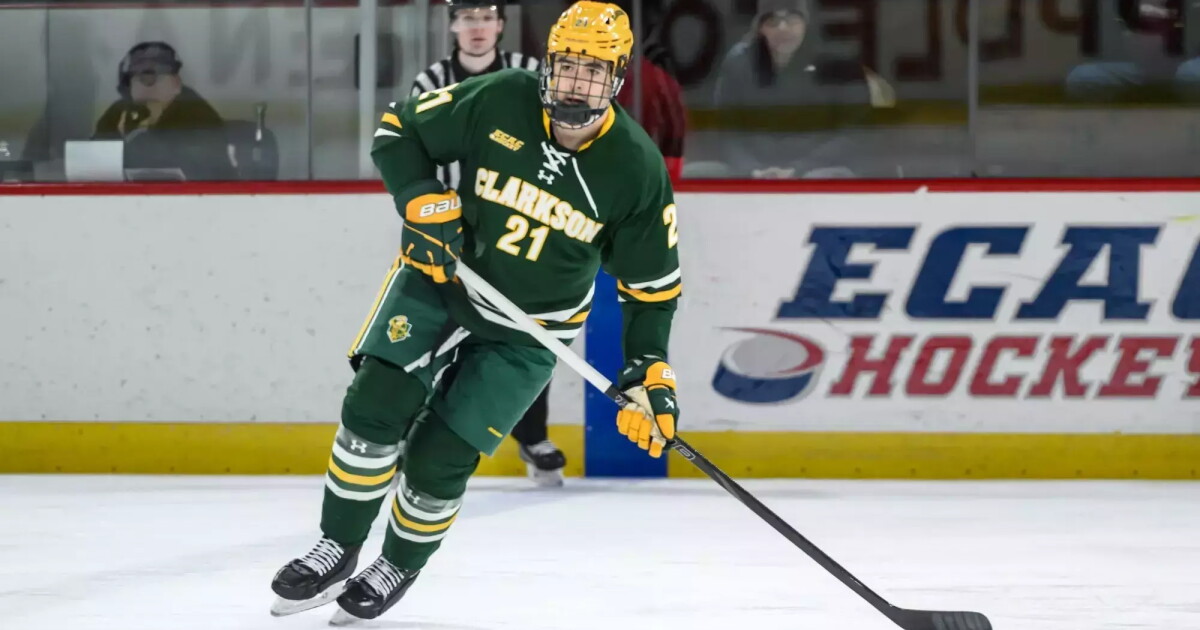
An incident at Arizona State University (ASU) involving a student athlete has raised questions about adherence to safety protocols during extreme heat. The athlete, Matthew Mayich, collapsed during an outdoor practice session in August and remains in a coma.
According to reports, Mayich’s condition is attributed to exertional heatstroke, as stated by his family’s attorney, Robert Carey. “This was 100% a direct result of heatstroke and dehydration and the way the university handled all of this,” Carey commented.
The practice, held on August 20, was conducted at Sun Angel Stadium on the Tempe campus. It coincided with a National Weather Service extreme heat warning. The session included calisthenics, bodyweight exercises, and running, starting at 7 a.m.
James Rund, ASU’s senior vice president for educational outreach and student services, has been reviewing the situation and submitted a preliminary report to ASU President Michael Crow on September 21. The report highlighted that Mayich was new to the team and had only been in Arizona for eight days prior to the incident.
During the practice, Mayich struggled and eventually collapsed while running with a medicine ball. The athletic trainer on-site began treating him with iced towels and water. Despite these efforts, his condition worsened, and 911 was called.
The initial report indicates that the university’s heat illness policy requires immediate cold water immersion for heat-related illnesses. However, the necessary equipment, such as a cold water tub, was not mentioned in the report.
The outdoor temperature that day ranged from 86 to 89 degrees, with humidity levels between 46% and 51%. These conditions are classified as a “moderate” heat risk according to Sun Devil Athletics’ heat illness policy, recommending caution for heat-sensitive and unacclimatized athletes.
Timothy Ziesel, a veteran from the Army special forces, led the practice as an outside consultant. The ASU hockey coaching staff requested Ziesel’s involvement but did not seek prior review of the training activities from the university’s strength and conditioning coaches.
While the report refrains from assigning blame, it suggests forming an advisory panel to review the university’s policies on using outside consultants and conducting outdoor athletic activities. ASU police are conducting a separate investigation, while Carey has called for an independent inquiry.
Carey expressed concern over the university’s handling of the incident: “There’s a child who’s incapacitated and unlikely to recover, and you don’t think there was a mistake here? That’s just not a normal outcome,” he told KJZZ.