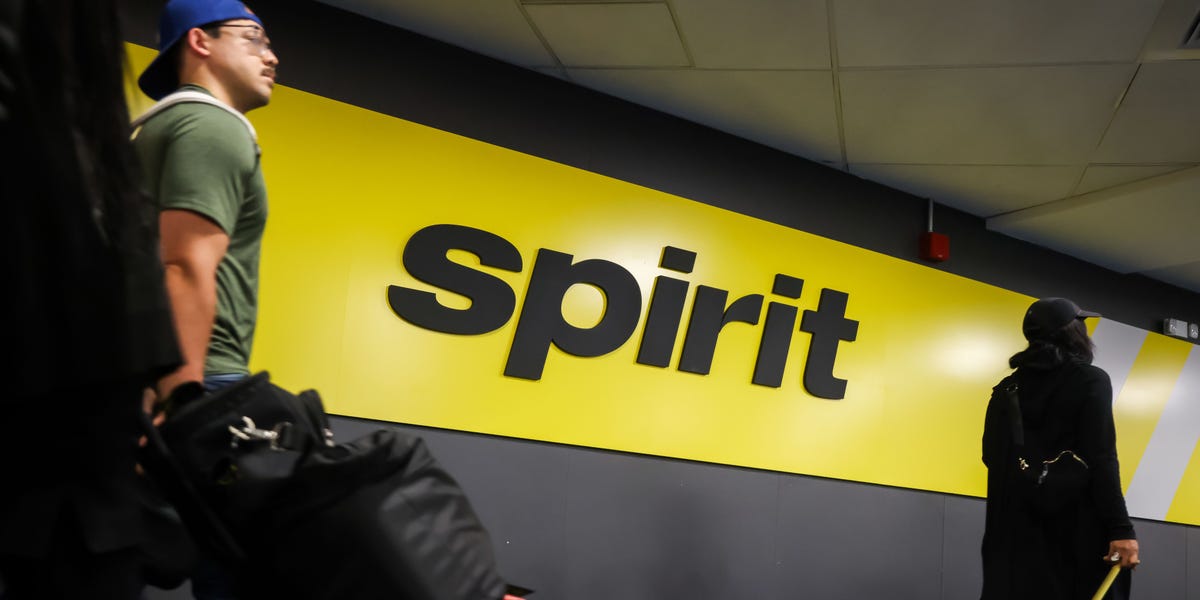
Google’s Bid for Spirit Airlines’ Data Gains Support Amid Privacy Concerns
In a significant development for Google’s acquisition ambitions, a consumer privacy official has endorsed the tech giant’s attempt to purchase data from the now-defunct Spirit Airlines. This recommendation comes after careful consideration of measures both companies have undertaken to safeguard consumer privacy.
The consumer privacy ombudsman, Lucy Thomson, emphasized the importance of privacy protections in her filing on Monday. She stated, “The parties have taken consequential steps to protect the privacy of the personal data of the Spirit consumers.” Her evaluation highlighted that the companies have refined the data sale’s scope by excluding passenger databases and employing Tonic.ai, a third-party service, to anonymize any sensitive information.
The ombudsman’s report reassures that these changes aim to minimize the potential risks to the 97 million consumers who shared their data with Spirit Airlines for travel bookings. Specifically, it noted that privacy risks had been “eliminated or mitigated.”
Following Spirit Airlines’ closure in May, Google emerged as the winning bidder in an auction for the airline’s data with a $10 million offer, pending court approval. Google plans to leverage this data to enhance its products and develop AI models.
However, the sale has sparked objections from unions representing Spirit’s flight attendants and pilots, who argue that the transaction could compromise their privacy. The union representing American Airlines pilots, which includes about 700 former Spirit employees, joined the opposition, expressing concerns about aviation safety.
Google has responded to privacy concerns by asserting that personal information won’t be part of the deal. “Google is not buying any personal information from Spirit. The information will either be completely excluded or will be deidentified by an independent third party before Google receives the data,” the company clarified. Despite reaching out, Business Insider received no further comments from Spirit or Google.
The ombudsman, tasked with evaluating consumer privacy risks under US bankruptcy law, clarified that her review did not extend to potential employee privacy issues. Legal experts have previously indicated that this case serves as a reminder that work-related data typically belongs to the employer, not the employee.
While the ombudsman’s recommendation supports the data sale, the final decision rests with the court, with a hearing scheduled for October 14. The filing also notes that if alternative bids from AI training companies like Mercor and Micro1 are considered, further privacy assessments would be necessary. Thomson highlighted the need for additional information regarding a “supply chain security incident” involving Mercor earlier this year.