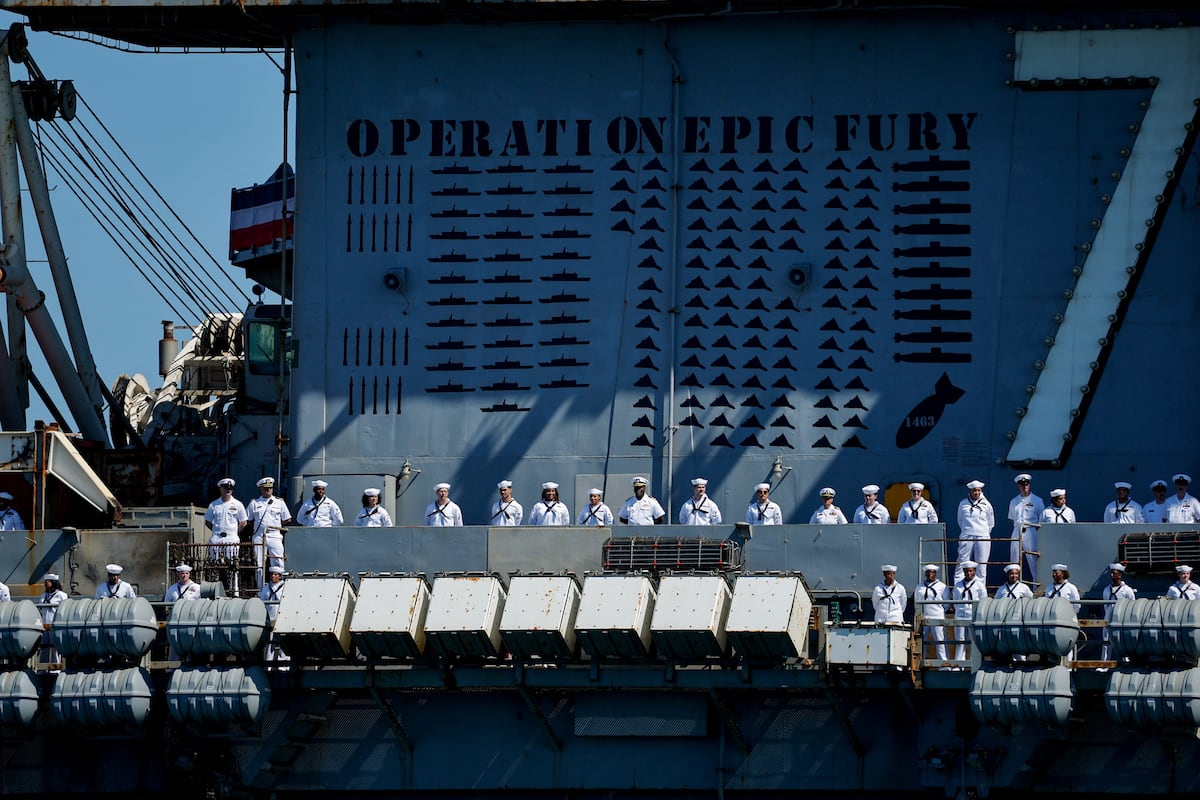
When a Navy aircraft carrier spends nearly a year at sea, the costs don’t end when it returns to port. Three recent developments — a record-length deployment, an aircraft mishap at sea, and a stark warning from the Navy’s second-highest-ranking admiral — are drawing fresh attention to the strain on America’s carrier fleet.
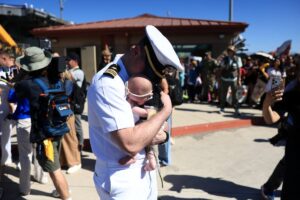
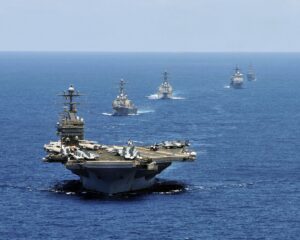
The USS Abraham Lincoln is returning home after 321 days deployed — an extraordinary stretch by any modern standard. Extended deployments of that length put significant demands on sailors, maintenance crews, and the ships themselves, raising questions about how quickly vessels and crews can be restored to full fighting readiness once they return.
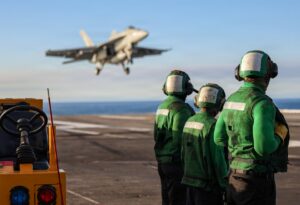
Around the same time, the USS Dwight D. Eisenhower returned to port following an aircraft mishap — a separate incident that underscores the operational risks that accumulate when the fleet is pushed hard.
A Warning from the Navy’s No. 2 Admiral
Against that backdrop, the Navy’s second-highest-ranking admiral is now sounding an alarm. According to Navy Times, the admiral warned that a readiness bill is coming due for the Navy in the wake of the Lincoln’s marathon deployment — a signal that the fleet may now need significant time and resources to recover from the pace it has been keeping.
The phrase “readiness bill coming due” refers to the accumulated cost — in maintenance, training, and personnel recovery — that follows extended high-tempo operations. When ships and sailors are deployed far beyond standard timelines, the Navy must eventually invest heavily to restore them to peak operational condition before they can be sent out again.
The Lincoln’s 321-day deployment and the Eisenhower’s mishap together paint a picture of a fleet operating under sustained pressure — and a Navy leadership now grappling publicly with what comes next.