Cincinnati Pioneers Initiative for Homeless Families with Safe Sleep Lot
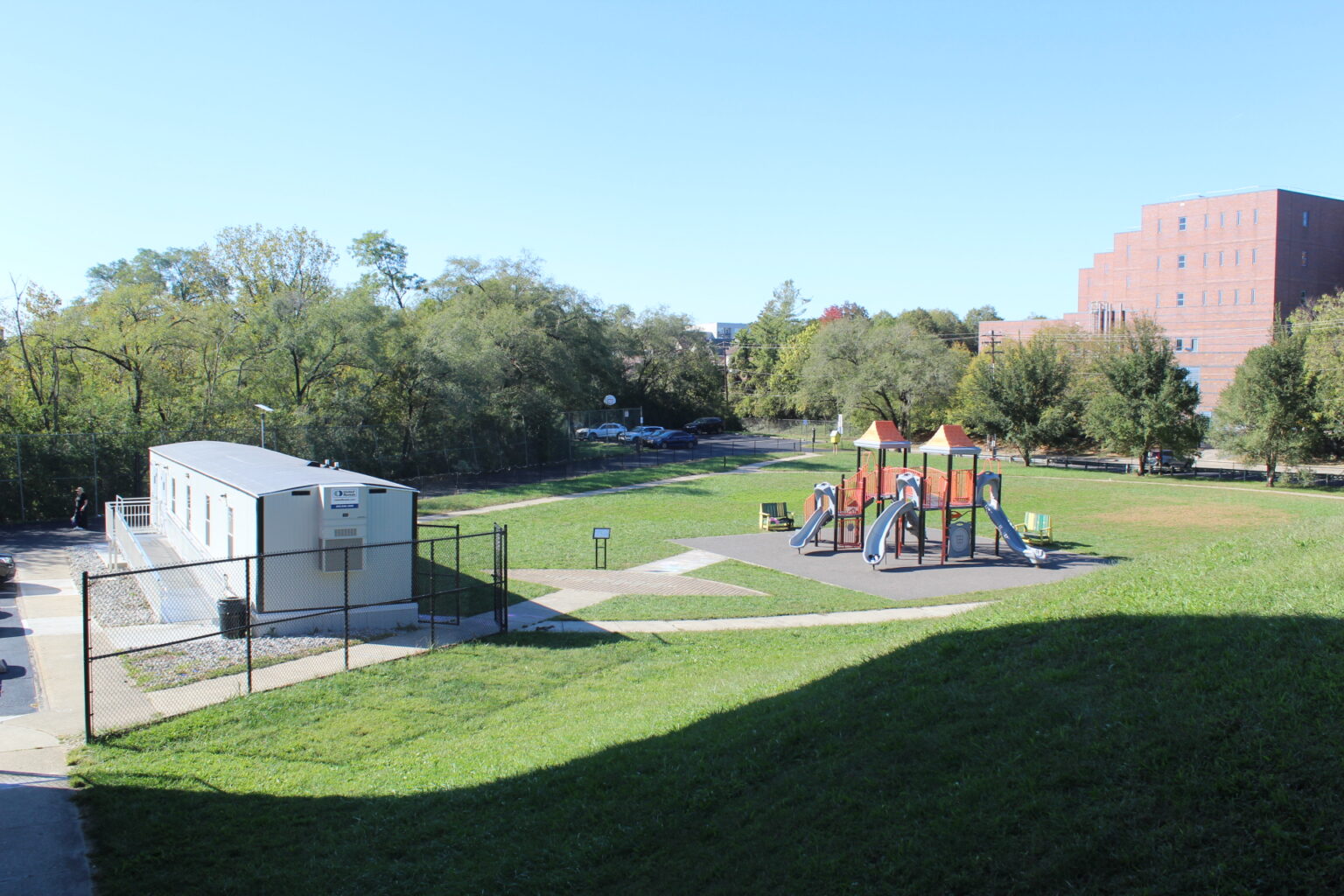
In a groundbreaking move, Cincinnati Public Schools has become the first school district in the United States to establish and manage a parking lot specifically for families experiencing homelessness to safely sleep in their vehicles overnight. This initiative, known as the Safe Sleep Lot, was launched on April 30 at William Howard Taft Elementary School.
Since its opening, over 300 individuals have utilized the Safe Sleep Lot, according to Megan Rahill, a shelter and housing specialist with Project Connect. Rahill highlighted the sense of isolation and fear faced by those who resort to sleeping in their cars, stating, “If they’ve already been sleeping in their car, it’s just on a dead-end street and it’s scary, so we’ve got a space you can come to where other people and other kids are there, there’s food and you don’t have to worry about where you’re going to the restroom.”
Project Connect, under the federal McKinney-Vento Act, provides essential support to homeless students within the district, ensuring they have access to public education. During the 2025-26 school year, nearly 8% of Cincinnati Public School students, approximately 2,650, were experiencing homelessness, as reported by the Ohio Department of Education and Workforce.
Rebeka Beach, Project Connect Manager, noted a significant rise in families sleeping in their cars. Often, these families lack a safe and consistent place to park, with concerns about safety and privacy frequently arising. “It was hard to have a consistent spot,” Rahill recounted, adding the difficulty faced by families in accessing basic necessities like bathrooms and showers.
Verification for placement on a homeless shelter waiting list requires a street outreach worker to see individuals sleeping in their cars, a process that often delays assistance. Beach explained, “We were hearing so often from parents that it was taking so long to get verified just to get on the waiting list for shelter because they moved so much throughout the night they couldn’t connect with the street outreach worker.”
After researching similar programs in California, including San Diego’s Safe Sleeping Program and Long Beach City College’s Safe Parking Program, Cincinnati decided to implement its own Safe Sleep Lot. Within a year, the lot was operational.
How the Safe Sleep Lot Works
The Safe Sleep Lot, offering 12 spaces, operates nightly from 9:30 p.m. to 6:30 a.m., accommodating three to eight families each night. Families are referred to the lot, undergo an intake process, and receive essential supplies like pillows and blankets. Security checks each family in using a unique parking pass code.
After spending a night in the lot, families are automatically verified and placed on a shelter waiting list. Project Connect also provides hotel stays, varying in length depending on the family’s health insurance provider. Rahill advises families to use hotel stays to seek more permanent housing solutions.
Additional support includes security, a library, and soon, a tutoring program. The Safe Sleep Lot operates from March to November, with alternate winter accommodations provided by Christ Church Cathedral.
The initiative has positively impacted student enrollment, with many now attending Taft Elementary School. Rahill explained the advantage, saying, “We do have quite a few students who now go to (Taft Elementary) because we were able to use the address of the Safe Sleep Lot.”
Project Connect aims to create a blueprint for other districts to replicate this program, with Beach stating, “I really want to build a blueprint out of how we did it, so that it’s replicable.”
This story was originally published by the Ohio Capital Journal, part of the States Newsroom nonprofit news network.