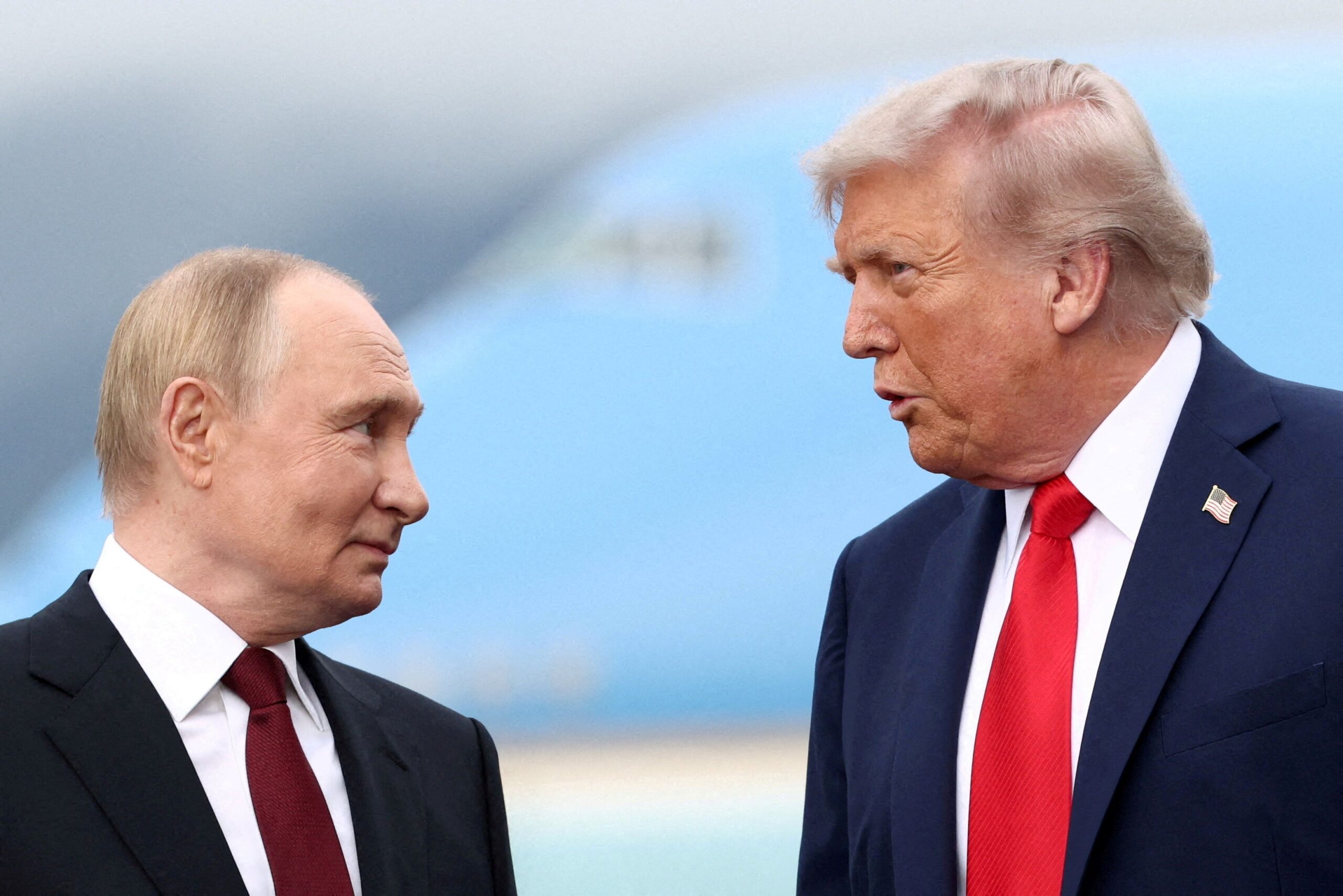
An American veteran who spent more than four years locked away in a Russian prison is home. Stephen Hubbard, 74, a retired schoolteacher and former U.S. Air Force servicemember, was freed from Russian custody on Wednesday following direct negotiations between President Donald Trump and Russian President Vladimir Putin.
Trump announced Hubbard’s release on social media, framing it as a goodwill gesture from Moscow. U.S. Special Envoy Steve Witkoff personally traveled to St. Petersburg to bring Hubbard home, and confirmed on social media that nothing was traded in return.
“This release was not part of an exchange — and we extend our thanks to President Putin for releasing him on President Trump’s request,” Witkoff said.
Russia’s Accusations and a Years-Long Imprisonment
Hubbard was arrested in 2022 after Russian authorities accused him of working as a mercenary on behalf of Ukraine. He was subsequently convicted and sentenced to roughly seven years in prison. He had been held for over four years before Wednesday’s release.
Who Is Stephen Hubbard?
Hubbard’s military service dates back to March 1974, when he entered active duty with the U.S. Air Force. During that period, he held the rank of Airman 1st Class and trained as an administration specialist apprentice. His final active-duty assignment was at Mather Air Force Base in California, where he served until separating from the military in March 1978. The base closed its military operations in 1993 and has since been converted into what is now Sacramento Mather Airport.
After leaving active duty, Hubbard went on to serve with the Air National Guard. Because those records are from several decades ago, detailed information about his Guard role is limited, according to an Air Force spokesperson. The National Guard did not respond to a request for comment.
Sanctions Debate Shadows the Release
While Trump emphasized that no prisoner exchange was involved, he also made clear that his decision to hold off on new sanctions against Russia was central to securing Hubbard’s freedom. In a subsequent social media post and in remarks to reporters outside the White House, Trump pushed back against critics who questioned that approach.
“If I would’ve done that, you would not have Mr. Hubbard coming back,”
Trump told reporters, referring to the imposition of sanctions.
“If you would’ve put those sanctions on, or whatever you want to call them, you could forget about him, you’d never see him again. He’d be back in jail for 25 years,”
he continued.
Trump’s remarks came just days after he blocked a new round of sanctions that Congress had sought to impose on Russia — measures aimed at squeezing the country’s largest oil and gas buyers. That decision drew sharp criticism from lawmakers who back the sanctions legislation and from Ukraine’s supporters in Washington.
Pattern of Diplomatic Releases
Hubbard is not the only American the Trump administration has secured from Russian detention since taking office in January 2025. Witkoff noted that the administration has also brought home Robert Gilman, Ksenia Karelina, and Marc Fogel through separate diplomatic negotiations — a track record the White House has pointed to as evidence that its engagement strategy with Moscow is producing results.
For broader context on U.S. military affairs, see recent coverage including the Pentagon and Lockheed’s new 10-year deal for 850 F-35 jets, the Air Force’s fighter fleet plan through 2035, the military spouse employment commission’s latest efforts, and the appointment of Medal of Honor recipient Dakota Meyer as Barracks Task Force senior advisor.