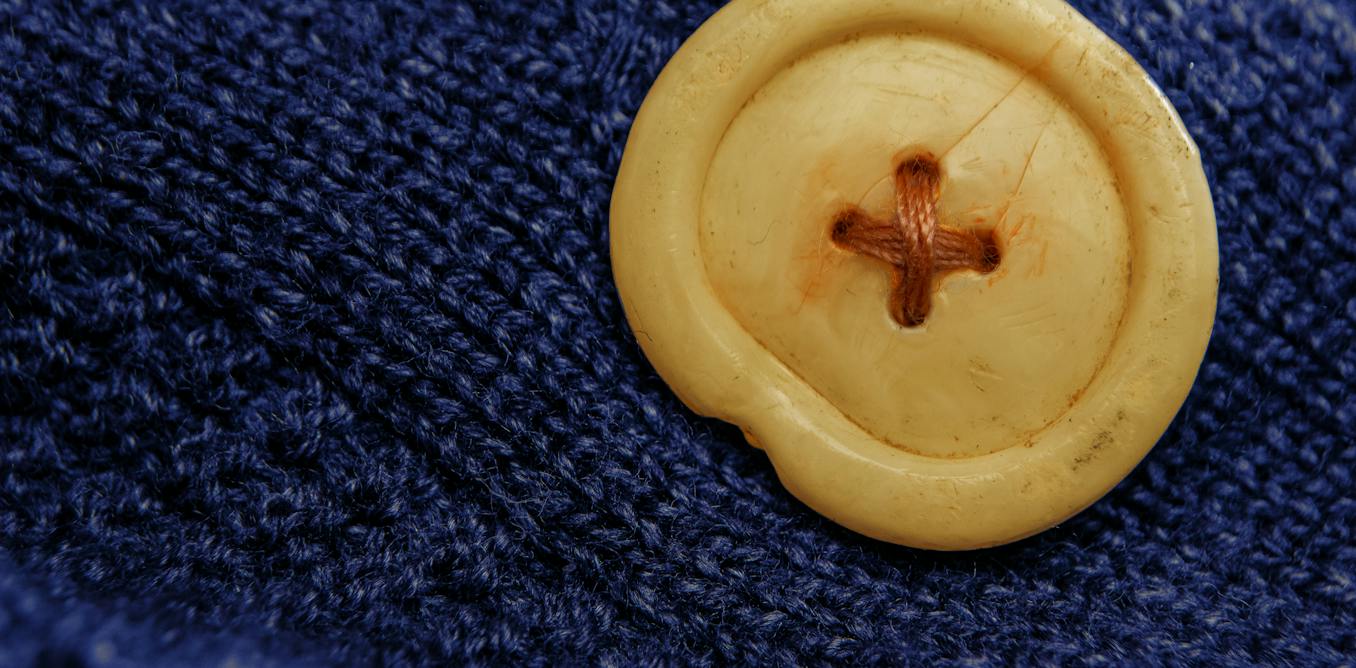
Picture owning a favorite bag. Once pristine, over time, it’s acquired some scuffs. Despite these imperfections, it functions well, yet you find yourself contemplating a replacement. This common consumer behavior extends to various possessions—phones, furniture, or clothing—where minor flaws prompt thoughts of new acquisitions.
Marketing researchers have delved into why this happens, revealing a cultural inclination toward flawless products. This research, initiated by Aprajita Gautam upon her move from India to the U.S. in 2019, highlights a stark contrast in consumer attitudes between the two countries.
According to their study published in the Journal of Consumer Research, some individuals exhibit a pronounced “desire for perfect products.” This inclination drives the demand for immaculate items.
Distinct from Perfectionism
In 2023, researchers interviewed 17 individuals in Austin, Texas, including varied professionals and stay-at-home mothers, about their views on possessions. They also surveyed 540 others, exploring how perceptions of perfection and imperfection are formed.
Results indicated that those favoring flawless items have specific notions of their ideal products, with even minor deviations affecting their satisfaction. Interestingly, this desire differs from traditional perfectionism, which typically involves personal standards rather than expectations from possessions.
For these individuals, a small flaw can overshadow the positive aspects of an item, demonstrating a unique sensitivity to imperfections.
The team conducted 12 experiments involving University of Texas students and online workers to further understand how this desire influences consumer behavior.
Shopping and Product Choices
In an online experiment, 402 participants were asked to choose a hotel in Napa Valley, California, using filters like those on travel sites. Those preferring perfect products employed more filters, narrowing options to meet their high standards.
Another experiment with 301 participants showed that individuals with a penchant for flawless possessions were quick to upgrade to the latest iPhone, despite minimal improvements over previous models.
This behavior can lead to unnecessary expenses, as consumers replace fully functional items in pursuit of perfection.

Moment/Getty Images
Impact on Repairs and Disposal
The preference for perfect products also affects how people handle their current belongings. In a survey of 1,004 participants, when faced with a dented item, those bothered by flaws were more inclined to choose an alternative option.
Similarly, in a study with 601 consumers, those desiring perfect items were less likely to repair a keyboard if the replacement key didn’t match the existing color.
This behavior poses challenges for sustainability efforts, as it discourages repairs that maintain functionality but not appearance.
Influence on Donations
High standards not only affect purchases but also influence how consumers dispose of items. In a “Clean Out Your Closet” exercise, students sorted discarded clothing, with those valuing perfection less likely to donate usable but imperfect garments.
This tendency can reduce the lifespan of products, impacting sustainable consumption, which often focuses on initial purchasing decisions rather than extending product utility.
Embracing Imperfection
Responses to flaws can vary based on perceived value. Inspired by the Japanese concept of wabi-sabi, which embraces imperfection, researchers found that unique variations in products can lessen the negative perception of imperfections.
Ultimately, a scuff on a beloved bag might detract from its original appeal but can also signify its journey and usage, prompting a reconsideration of the need for immediate replacement.