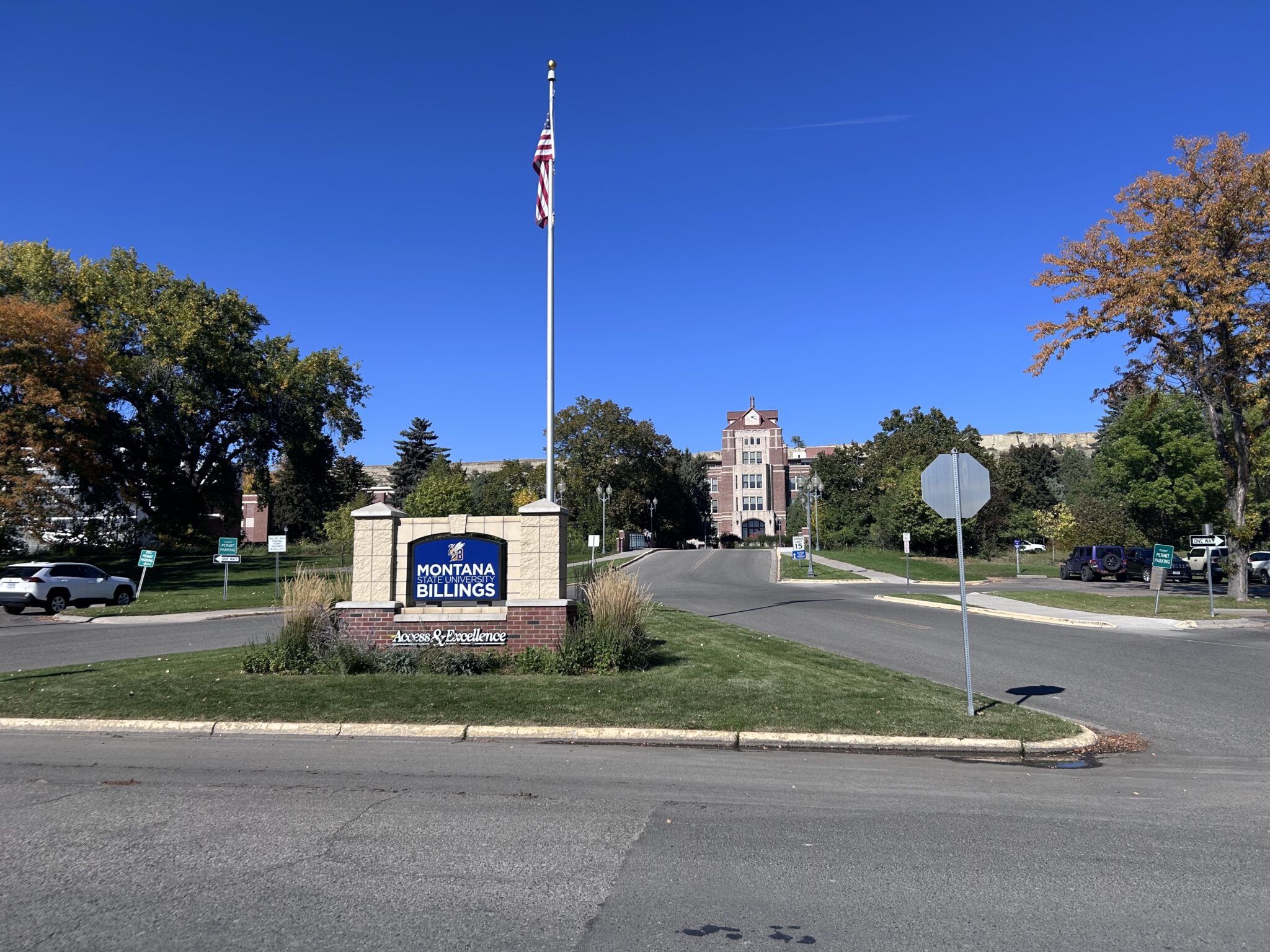
Montana State University-Billings (MSU-B) is currently embroiled in a controversy following the unexpected suspension of two seasoned professors, Joshua Hill and Jennifer Scroggins, on the first day of the semester. This sudden administrative decision has sparked concerns and disruptions among students, faculty, and the broader academic community.
The professors were placed on indefinite leave shortly after expressing concerns regarding an educational program designed for state prison inmates. The program, allegedly benefiting MSU-B through Pell grant funding, was criticized for not providing prisoners with viable degrees and potentially leaving them financially disadvantaged.
Four faculty members, speaking under anonymity, confirmed the suspension of Hill, an economics professor, and Scroggins, a criminal justice instructor, by Academic Affairs Vice Chancellor Lee Vartanian. The suspension has left students in a state of uncertainty, with many worried about the potential need for an extra semester to meet graduation requirements.
Impact on Students
Students have voiced concerns about the significant impact of the professors’ absence. Hill, in particular, was lauded for his unique teaching approach, which inspired students like Jeremiah Woods to pursue further studies in economics. Woods stated, “He doesn’t give you answers, he gives you tools.”
The abrupt absence of Hill and Scroggins has left students scrambling to find alternative courses, many of which do not align with their degree requirements. This disruption has been further compounded by a lack of clear communication from the university administration.
Senior student Matthew Heimbichner recalled the confusion on the first day of class. “I knew something was off the first day of class,” he said, noting the unusual absence of Hill and the lack of communication from the department chair.
The situation has been particularly challenging for nontraditional students and military veterans, who depend on programs like the GI Bill for financial support. The uncertainty has also raised concerns about the re-accreditation of the business program.
Administrative Silence and Faculty Concerns
Attempts by students to seek clarity from university officials have been met with limited responses. When approached, Vartanian’s office redirected students elsewhere, leaving many feeling frustrated and dismissed. The Montana Board of Regents and the Office of the Commissioner of Higher Education have similarly deflected inquiries back to MSU-B.
Faculty members believe the suspensions may be retaliatory, linked to Hill and Scroggins’ criticism of the prison education program. They argue that the program does not effectively serve its intended purpose and financially benefits the university at the expense of incarcerated students.
The university’s policy encourages faculty to report issues in good faith, promising protection against retaliation. However, faculty members believe the administration selectively enforces disciplinary measures, targeting specific individuals while ignoring broader systemic issues.
Prison Education Program Under Scrutiny
The prison education initiative, funded by Pell grants, has been operational since 2022. It is managed by the College of Liberal Arts at MSU-B. Faculty critics, however, argue that the program’s structure and restrictions hinder prisoners’ ability to graduate, effectively wasting their Pell grant eligibility.
Despite these concerns, the Office of the Commissioner of Higher Education has not received formal complaints about the program, maintaining that personnel matters are handled at the campus level.
The unfolding situation at MSU-B has left students and faculty seeking transparency and solutions to avoid further academic disruption. As the administration remains tight-lipped, the campus community continues to grapple with the implications of the suspensions.