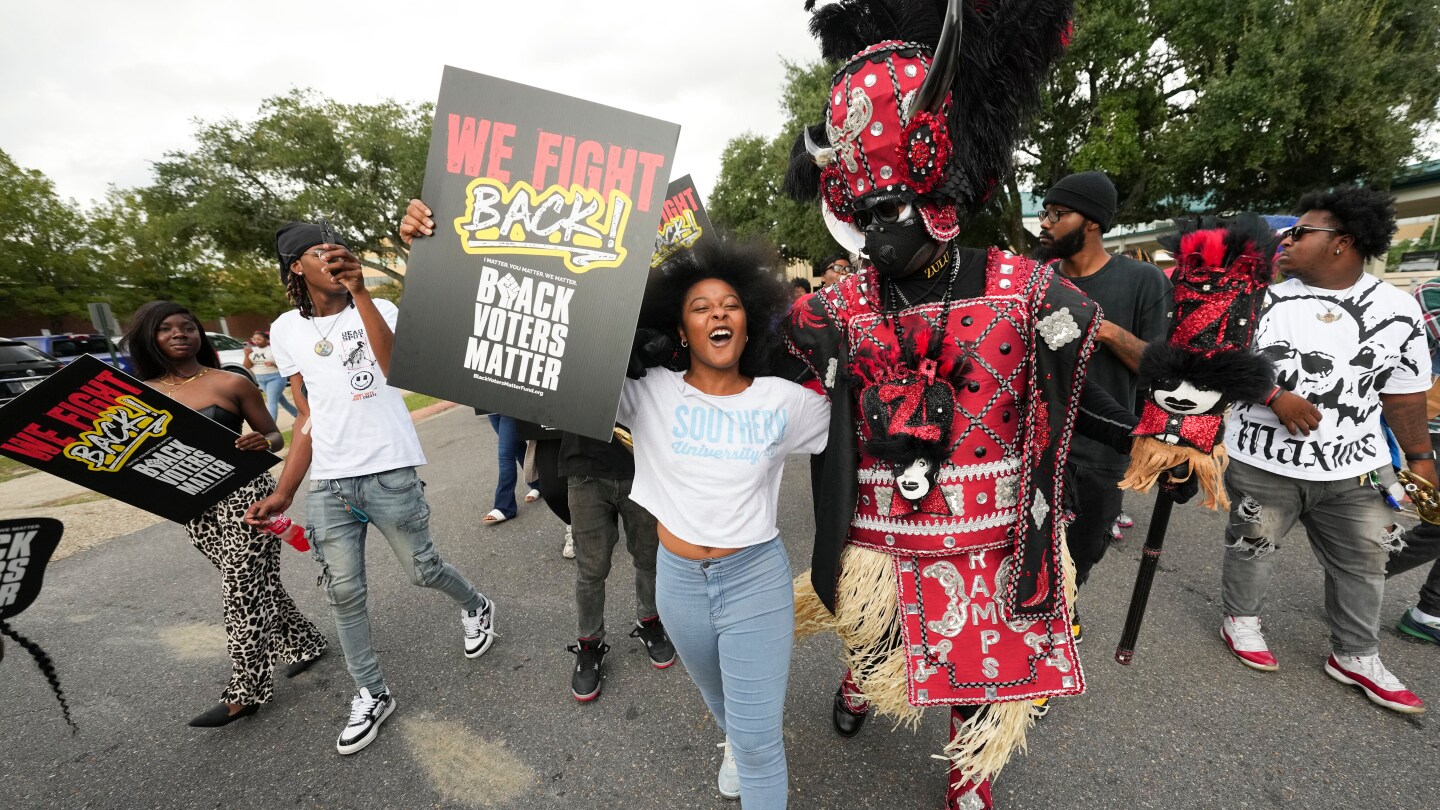
In a significant shift for Mansfield, Louisiana, a town long represented by white Republicans despite its predominantly Black and Democratic population, change came with last year’s election. This transformation was marked by the election of U.S. Rep. Cleo Fields, a Black Democrat, following the creation of a second Black majority congressional district.
Mansfield’s Mayor, Thomas Jones Jr., expressed a renewed sense of representation in Washington, stating, “We feel connected, like we have somebody that’s helping us.” However, the future of this representation hinges on a pending Supreme Court case that could impact Fields’ district.
The second Black majority district emerged from a concerted effort by civil rights groups advocating for Black voters. Many leaders in these communities feel that Fields genuinely represents their interests. However, critics argue that the district was unconstitutionally gerrymandered based on race, raising concerns about its legality.
Court Decisions and District Redrawing
Louisiana’s new 6th Congressional District cuts across the state, from Baton Rouge to Shreveport. While some criticize its shape, Fields defends its design, emphasizing that it provides “people of color an opportunity, not a guarantee, to elect a candidate of their choice.”
Initially, Louisiana’s Legislature, dominated by the GOP, maintained one Black majority district. However, after a federal judge struck down this map for violating the Voting Rights Act, the Supreme Court mandated Alabama to create a second Black majority district. Consequently, Louisiana preemptively passed a new map creating another Black majority district, increasing Black registered voters in Fields’ district to 54%.
Representation and Community Impact
In the South, many older Black residents recall Jim Crow-era voting tactics designed to disenfranchise them. Civil rights groups have long argued that the absence of a second majority minority district diluted Black voting power in Louisiana.
State Rep. Denise Marcelle noted the disproportionate burden on a single Black congressman to represent all African Americans in the state. Baton Rouge Councilman Cleve Dunn Jr. emphasized the importance of having a second district, regardless of its composition, to ensure values aligned with the Congressional Black Caucus are represented.
While Dunn acknowledged a rapport with the previous Republican representative, he highlighted the political differences. “We feel positive that we have a representative who understands the plight of our people,” he said.
Connecting Congress with Community Needs
Fields’ district faces numerous challenges, including low-income housing, Medicaid protection, and infrastructure needs. Fields has made tangible impacts, such as helping residents with Social Security benefits and seeking federal funding for local projects.
Mansfield Mayor Jones noted Fields’ unprecedented engagement with the community, including hosting town halls. The town’s priority to secure grants for its sewage system, an ongoing issue, has seen progress with Fields’ assistance.
“I feel like he’s reaching down to make sure that someone knows our needs and gets us some help,” Jones remarked.