Supreme Court Signals Potential Restriction on Voting Rights Act in Redistricting Cases
In a recent session, the Supreme Court’s stance suggested a possible shift in the application of the Voting Rights Act, potentially impacting how states create electoral districts that benefit minority groups. The discussions centered on whether the current use of the Act aligns with its original intent, particularly in the context of drawing district lines to enhance minority representation.
The justices appeared to question whether the Act’s provisions might be stretched beyond their intended scope, which could influence future redistricting efforts. This scrutiny comes as states face increasing pressure to account for demographic changes while maintaining fair representation.
During the hearing, several justices expressed concern that applying the Voting Rights Act in such a manner could lead to unintended consequences, such as prioritizing race over other factors in the redistricting process. “The original purpose of the Act must be preserved to ensure it serves its intended function,” one justice noted.
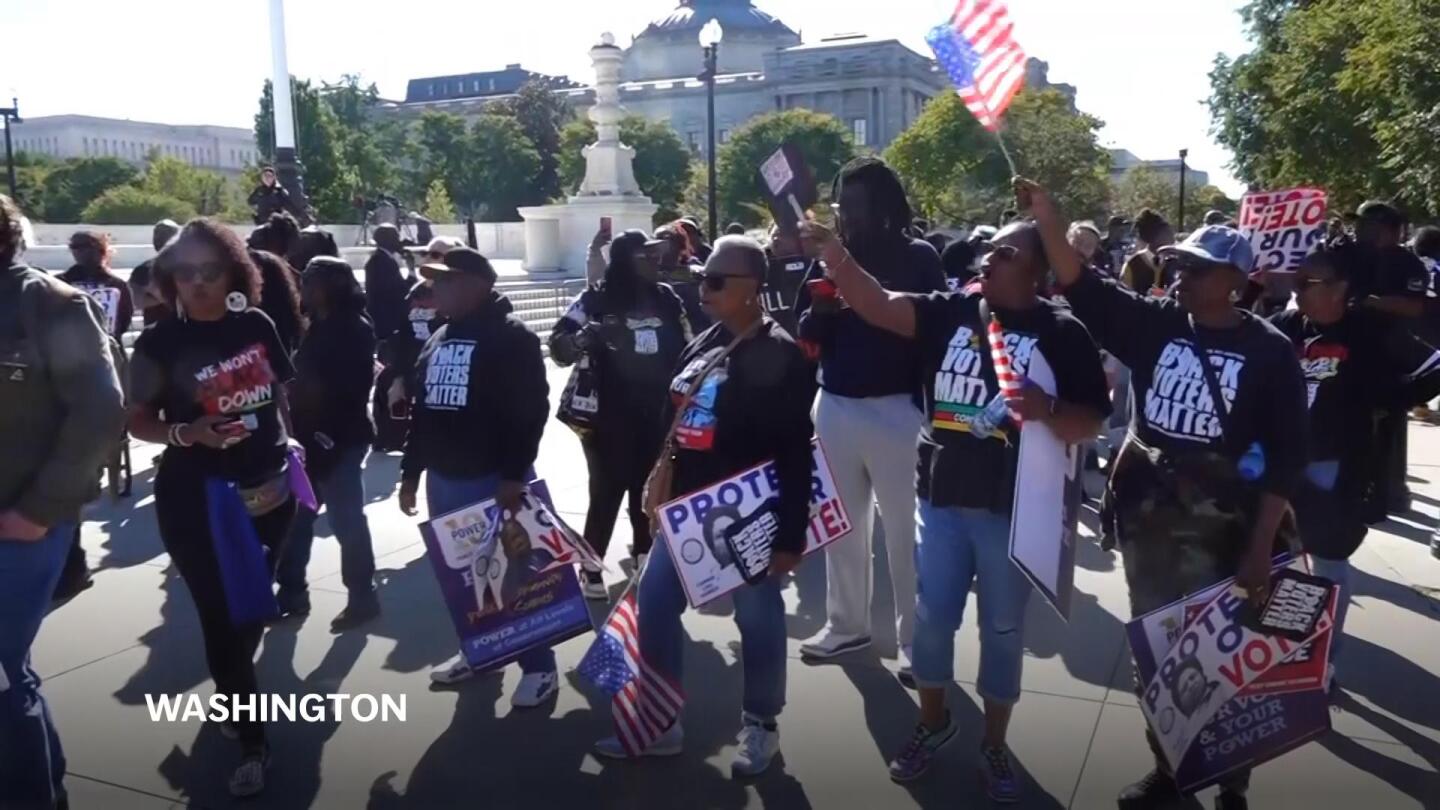
Legal experts and civil rights advocates are closely watching the case, recognizing its potential to reshape the political landscape significantly. The decision could redefine the balance between state autonomy and federal oversight in electoral matters.
For more information on the proceedings and potential implications, visit Supreme Court.