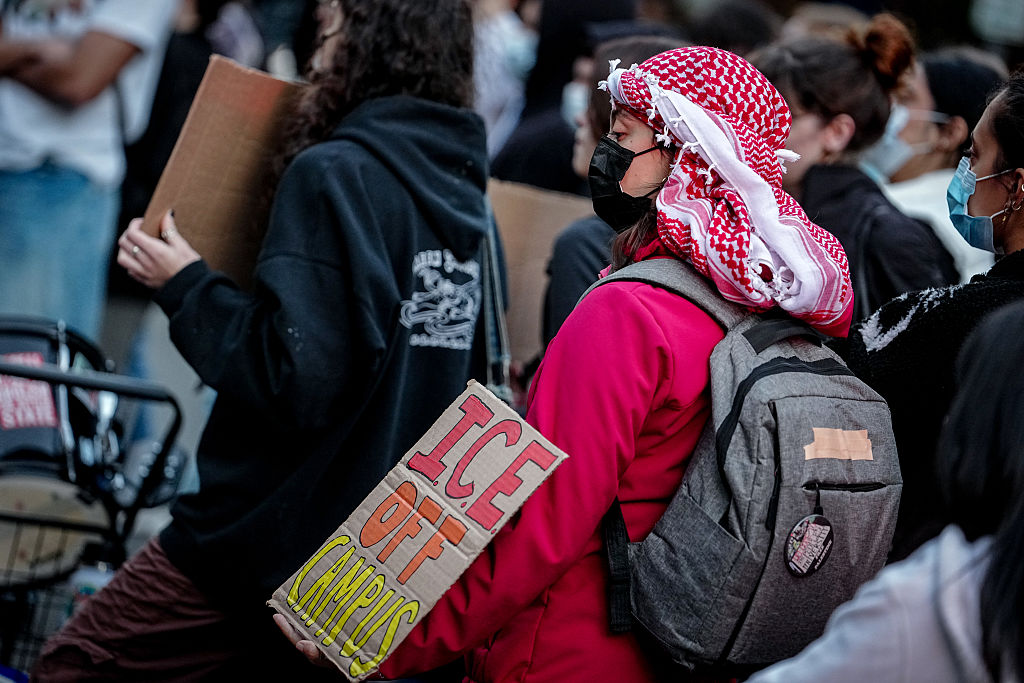
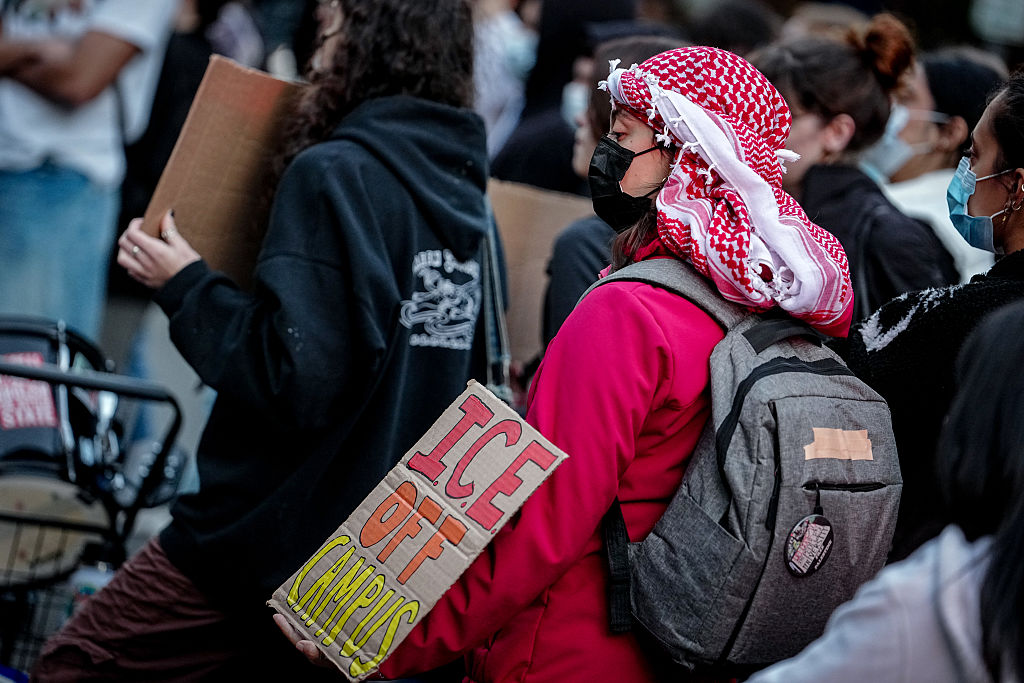
In Washington, D.C., a meeting intended to discuss student engagement funding took a sharp turn as students expressed their fears about Immigration and Customs Enforcement (ICE) presence near their schools. The D.C. State Board of Education’s Committee on Student Experience and Engagement found itself addressing concerns about safety and trust, overshadowing the original agenda.
Students reported feeling alarmed at the sight of ICE agents, even when they weren’t targeted, causing widespread anxiety on campus. “Students feel upset, concerned, or unsafe when ICE is around our schools,” one student representative shared, highlighting the emotional impact on the student body.
Eric Goulet, the committee chair, noted that the reaction was “not surprising,” pointing out how the presence of masked federal agents could undermine trust between students and institutions. He mentioned incidents where ICE activities, such as those near Bancroft Elementary, have been particularly worrying.
These concerns are not without basis. In March 2025, federal agents attempted to detain a healthcare worker at H.D. Cooke Elementary School during student arrivals, leaving only after administrators demanded a warrant. Earlier, reports of unmarked vehicles and plain-clothes officers near bilingual childcare centers in Northwest D.C. had caused panic among immigrant families.
Though there’s been progress in attendance rates in D.C. schools, with an in-seat rate increase to 87.4% last year, chronic absenteeism remains a significant issue. Nationally, studies have shown that immigration enforcement can lead to increased absenteeism, with daily absences spiking by about 22% in districts experiencing ICE raids.
Communities have responded by organizing “walking school buses” to escort children safely to school. Educators have noted that such enforcement activities affect classroom attendance and security, as reported by WTOP News.
Eric Goulet emphasized, “The way to make students feel safer is to build trust,” asserting that actions contrary to this erode trust. Across the nation, similar situations are evident in immigrant communities, where schools, meant to be safe havens, often feel like extensions of law enforcement. In D.C., where nearly 14 percent of the population is foreign-born, ICE presence near schools exacerbates anxiety.
Originally, the committee was focused on how to allocate a $30,000 budget to enhance student engagement through civic events, but the discussion shifted to broader issues of student safety and emotional well-being. Suggestions to improve turnout included offering community service hours, ward-based meetings, and translation services to accommodate non-English speaking families.
Ward 8 Representative Lajoy Johnson advocated for events across all wards, aiming for citywide engagement. However, the meeting revealed deeper questions about protecting students from external threats, not just within school premises.
Members pledged to transform student feedback into actionable plans, ensuring safety initiatives address both physical and emotional threats. Representative Dinkins emphasized the importance of not just hearing but acting on student concerns.
For D.C. students, the challenge remains to demonstrate that safety and belonging require proactive building, not merely legislative measures.
SEE ALSO:
Ethiopian Immigrants Live With Fear, Anxiety In Washington
Howard Students Hustle To Stay Enrolled After Federal Aid Cap