In a bold move stretching the boundaries of executive power, President Donald Trump’s administration has challenged one of the foundational principles of U.S. democracy: Congress’ control over federal spending. This has sparked a legal and political battle over federal funds, which has seen already approved spending slashed or threatened with cuts, particularly during the ongoing government shutdown.
Efforts by Trump’s administration to reduce or cancel federal spending have drawn significant pushback, resulting in over 150 lawsuits from states, cities, and various organizations. These suits argue that the administration’s actions represent an unlawful extension of executive power.
Data from an Associated Press review indicates that judicial rulings have largely been unfavorable to Trump’s spending cuts, with courts temporarily blocking these measures in 66 out of 152 cases. Despite this, the legal fight is far from over, with many cases still pending and some likely heading to the Supreme Court, a venue where Trump has had more success.
Judiciary’s Stand Against Spending Cuts
As of early October, the courts have issued orders blocking the administration in several cases, while allowing it to proceed in others. A number of cases remain unresolved. This wave of litigation highlights the administration’s aggressive approach to spending control and reflects Congress’ reluctance to counteract these moves, according to Zachary Price, a professor of constitutional law.
“Congress seems to be following its partisan interests more than its institutional interests, and that puts a lot of pressure on courts,” Price noted.
Uncertainty Over Withheld Funds
While watchdogs claim the administration is not adhering to the 1974 Impoundment Control Act, which requires reporting of funding freezes to Congress, estimates suggest the Trump administration has targeted around $410 billion, equivalent to 6% of the previous year’s federal budget. The administration disputes this figure.
Since the shutdown, further financial cuts have been aimed at Democrat-represented areas, stirring further controversy and litigation.
Echoes of Nixon’s Era
Experts draw parallels between the current administration’s actions and those of President Richard Nixon, who also sought to make significant unilateral spending cuts, challenging the established norms of executive power. “The power they’ve claimed is the power to delay and withhold funds throughout the year without input from Congress,” said Cerin Lindgrensavage from Protect Democracy.
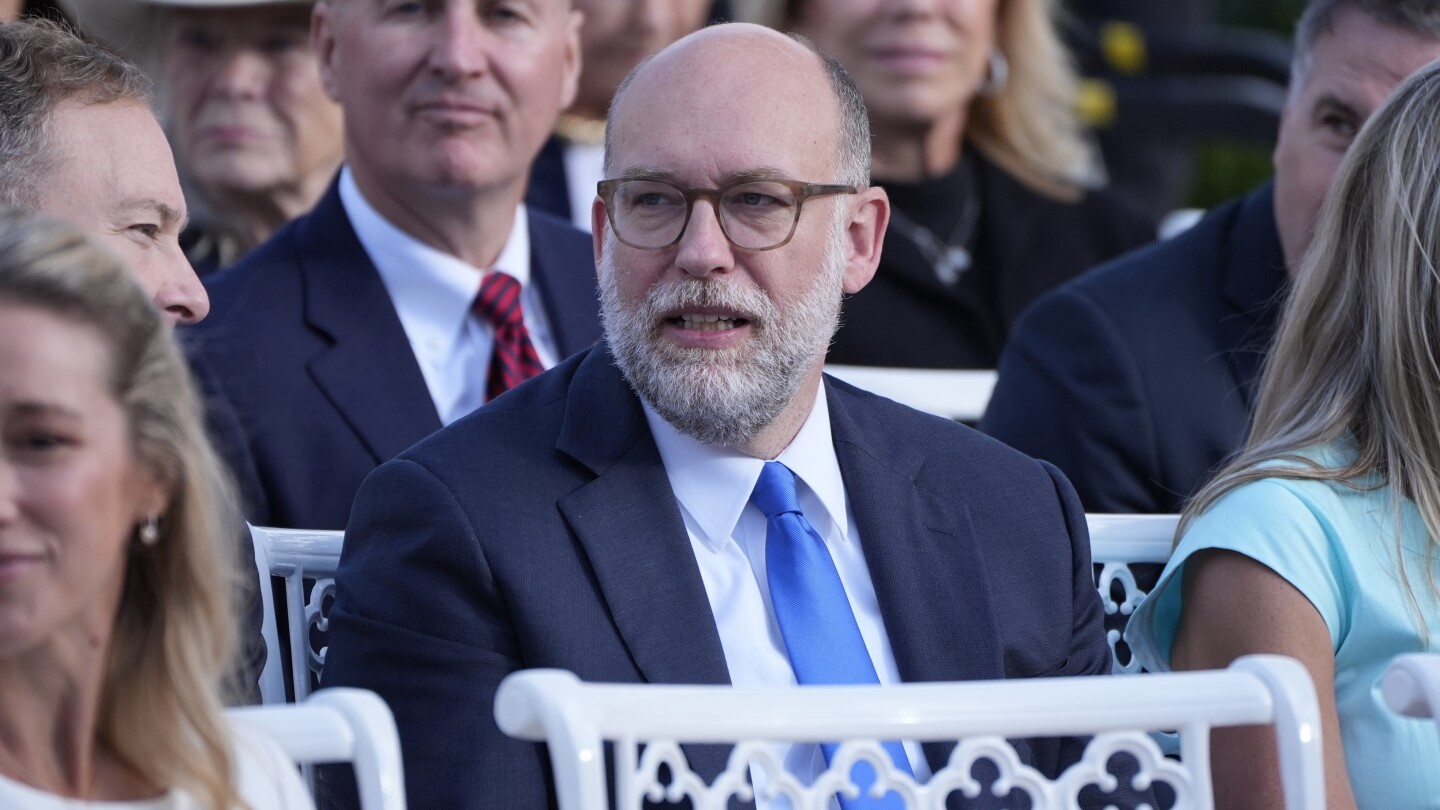
White House budget director Russ Vought defends the administration’s strategy, emphasizing a need to address national debt by reducing government expenditures he deems “woke, weaponized, and wasteful.”
Impact on Federal Agencies
The lawsuits also challenge the administration’s closure of agencies, cancellation of grants, and imposition of new funding conditions. These financial decisions have affected a wide range of programs, from education and health to infrastructure and disaster preparedness. Noteworthy court decisions have reinstated funding for electric car chargers in 14 states and prevented cuts related to “sanctuary” policies in major cities.
Constitutional Concerns
Judges have frequently cited constitutional issues with the administration’s actions, highlighting potential violations of the separation of powers doctrine. Some rulings have described the actions as arbitrary under the Administrative Procedure Act. However, some judges have suggested these disputes might be better suited to the U.S. Court of Federal Claims, which deals with financial claims against the government.
Supreme Court’s Stance
The Supreme Court has permitted the administration to proceed with significant cuts, including the closure of the Education Department and the freezing of substantial foreign aid and research funds. Although the Supreme Court has not yet ruled on the legality of these cuts, its preliminary rulings suggest a potential tilt in favor of the administration.
Particularly in cases like the National Institutes of Health, the high court’s decisions could complicate legal challenges, potentially requiring plaintiffs to pursue separate legal avenues for different aspects of their claims.
In the realm of foreign aid, a recent Supreme Court ruling indicated that the Impoundment Control Act might not allow private entities to challenge certain executive actions, potentially paving the way for more executive maneuvering in the future.
___
Associated Press writer Lindsay Whitehurst contributed to this report.