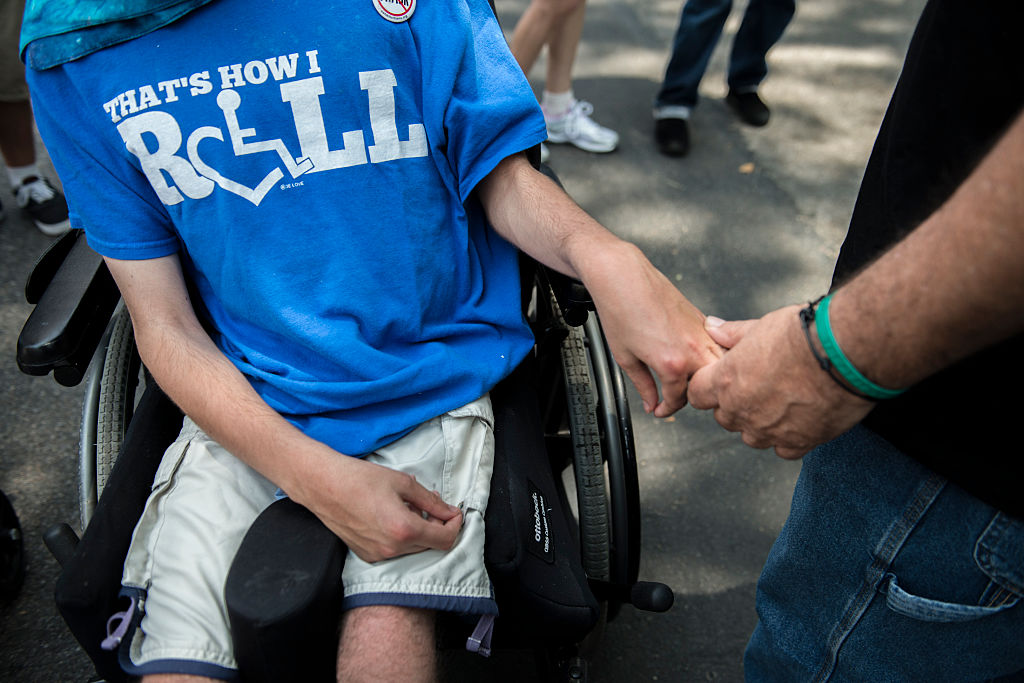
As the Trump administration continues its efforts to dissolve the U.S. Department of Education, a significant change looms over the education of students with disabilities. The proposal to transfer oversight responsibilities to the states has sparked apprehension among educators and parents, who worry about the potential loss of vital federal protections.
In a controversial move last October, nearly all staff members in the Department of Education’s office responsible for enforcing the Individuals with Disabilities Education Act (IDEA) were dismissed. This federal law ensures that students with disabilities receive free and appropriate public education. Although these layoffs were temporarily halted by a federal judge following a lawsuit from worker unions, the administration’s intentions remain clear.
The office not only ensures compliance with IDEA but also allocates billions in federal funds to support the education of students with disabilities, including those with autism, deafness, and dyslexia. The administration’s broader agenda aims to reduce federal bureaucracy and shift more educational responsibilities to the states, as articulated by Trump and Education Secretary Linda McMahon.
Special education funding has historically fallen short of the 40% per-pupil costs promised under IDEA, fluctuating over the years. In 2024, federal funding stood at approximately 10.9%. Critics argue that without federal oversight, states may lack the resources or motivation to uphold the rights of students with disabilities.
Some states have struggled to provide adequate services. The most recent Department of Education review found that only 19 states met the required standards for students with disabilities aged 3 to 21. “Shifting all of that to the state and away from the feds is not something we’ve been able to wrap our heads around,” expressed Quinn Perry, deputy director of the Idaho School Boards Association, highlighting the potential challenges states face.
In Iowa, Democratic state Rep. Jennifer Konfrst expressed concerns about state accountability in the absence of federal oversight, especially with new state programs like the school choice program, which directs public funds to private school tuition without mandating special education services.
Funding Gaps
The IDEA, passed 50 years ago, was a landmark in ensuring education for children with disabilities, who previously faced barriers based on their location. Despite its promise, significant funding gaps remain. In the 2022-2023 school year, about 15% of public school students received special education services under IDEA.
Quinn Perry noted, “We still have a federal mandate to provide services to these kids.” However, funding shortfalls persist, with schools often bearing the additional costs. In Idaho, a significant gap of $82.2 million was reported in 2023 between the funding provided and the actual spending required for special education.
Rationed Services
Federal oversight has historically played a critical role in addressing such gaps. For instance, a 2018 investigation revealed that Texas imposed an 8.5% cap on special education services, violating IDEA. Without federal checks, advocates fear states might repeat such actions. Recently, Virginia was released from federal monitoring after taking corrective measures to improve its special education complaint procedures.
States Take Notice
The Trump administration’s stance has prompted legislative actions across states. While some lawmakers support reducing federal regulation, others, like Alabama’s Rep. Barbara Drummond, seek to understand the implications of dismantling the Education Department. As McMahon toured states promoting the return of educational control, concerns about the absence of federal oversight continue to resonate.
As discussions about the future of special education evolve, the need for a cohesive strategy remains evident. Lisa Lightner, a special education advocate, emphasized the long-term impact of these changes, stating, “This destruction, it’s going to be years until we’re back to normal. And even ‘normal’ missed a lot of kids.”