Montana State University-Billings Faces Controversy Over Professors’ Dismissal
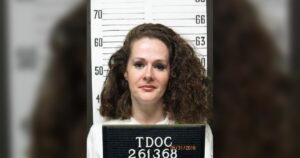
Two tenured professors at Montana State University-Billings (MSUB) have been placed on immediate leave, sparking significant controversy. University officials claim that the professors, Jennifer Scroggins and Joshua Hill, posed a “safety risk” by communicating with Montana State inmates via email after the conclusion of their classes. The situation has escalated to potential termination of their tenure and positions.
The disciplinary action is rooted in concerns raised by the professors about a prison education program. They questioned its effectiveness, including whether it truly allowed students to earn a degree and its impact on prisoners’ federal loan eligibility. This has led to allegations that the professors were targeted for raising these issues.
Hill and Scroggins have been long-standing members of the MSUB faculty. Their sudden administrative leave at the start of the fall semester left students scrambling to find alternative courses. According to students, this move might extend their time at the university, as reported by the Daily Montanan.
University officials have refrained from commenting publicly on the case, citing personnel matters. Meanwhile, the director of education for the Montana Department of Corrections, Travis Anderson, reported the email communications to the Montana Department of Criminal Investigation. Anderson’s actions have barred the professors from teaching or entering the prison facility.
The Email Controversy
In an interview with the Daily Montanan, Hill, an economics professor at MSUB since 2013, admitted to a romantic relationship with Scroggins, which he says developed this year. Both professors have been critical of the prison education program, accusing the university of using it as a revenue source without ensuring its educational value for incarcerated students.
Hill alleges that the university is using their friendship with former students and the romantic relationship as grounds for dismissal, potentially as a warning to other faculty members to avoid raising similar concerns. Hill also expressed disappointment in the muted response from the Montana Federation of Public Employees, which represents MSUB faculty.
A memorandum from MSUB provost Lee Vartanian outlines the allegations against Hill, referencing Scroggins. It suggests that Anderson’s report initiated the investigation, with the Department of Corrections reviewing emails between the professors and inmates.
According to the DOC policy, any email communication unrelated to coursework is prohibited. This policy was cited as the reason for the professors’ exclusion from the Prison Education Program. The policy prohibits “engaging in personal or business relationships that may compromise professional integrity, compromise security, or cause embarrassment to the Department of Corrections or the State of Montana.”
Hill argues that as he was not teaching at the time and was not affiliated with the program, these accusations should be dismissed. He maintains that his communications were innocuous, stating, “I have always said my goal isn’t to teach students, but create colleagues.”
Vartanian’s disciplinary document also includes portions of eight emails, suggesting violations of DOC policy, including a lighthearted exchange involving a picture of Hill with his dog.
Additional allegations involve discussions about personal interests and a home renovation project. Hill’s sympathetic response to an inmate’s difficulties and a $25 donation to an inmate’s trust fund were also cited.
Student Reactions
Interviews with students reveal awareness of Hill and Scroggins’ relationship, with no reported concerns about impropriety. Many students praised the positive impact of the professors, particularly in the prison education program.
Former inmate Travis Soderberg and current student Tyrah Knudsvig both highlighted the meaningful influence of Scroggins in their academic pursuits. However, Knudsvig expressed frustration with the university’s handling of the suspension, which left her and other students uncertain about their academic future.
As the situation unfolds, students and faculty continue to grapple with the implications of the university’s actions and the broader questions about the prison education program’s integrity.