The U.S. Department of Education has introduced a controversial regulation set to narrow eligibility for a pivotal student debt relief initiative aimed at public service workers. Critics argue this move is designed to marginalize organizations whose objectives conflict with former President Donald Trump’s policies.
Scheduled to be implemented in July, the new rule would exclude employers involved in “unlawful activities such that they have a substantial illegal purpose” from participating in the Public Service Loan Forgiveness (PSLF) program, intended to motivate college graduates to pursue public service careers. Learn more about the regulation here.
The rule’s language, addressing topics such as gender-affirming care and illegal immigration, appears to reinforce the Trump administration’s priorities, sparking further controversy.
Numerous lawsuits have been filed against the regulation by Democratic attorneys general, cities, labor unions, and nonprofit advocacy groups, claiming the rule is excessively vague and surpasses the department’s authority.
Winston Berkman-Breen, legal director at Protect Borrowers, expressed concerns about the regulation’s impact, stating, “It’s not just about the macro effect of whether these organizations, including governments, will be able to do the work they do. It’s also the individual financial health and security of borrowers and their households that will be really, really detrimentally affected by this rule, and we’re already sort of seeing that happen.”
Protect Borrowers is representing a coalition of cities, nonprofit advocacy groups, and labor unions in one of the lawsuits against the regulation.
What is Public Service Loan Forgiveness?
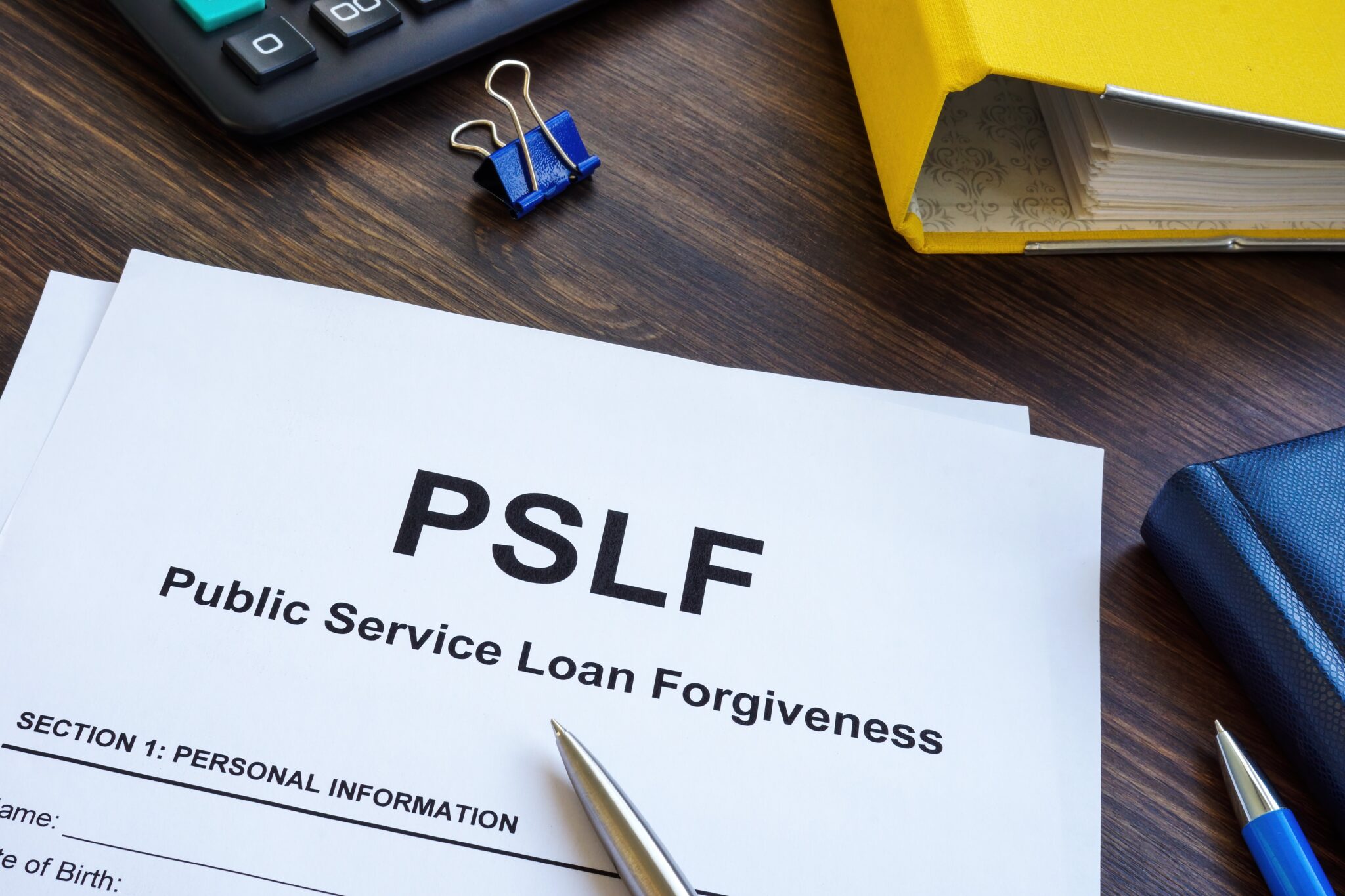
Established in 2007 by Congress through the College Cost Reduction and Access Act, the PSLF program encourages individuals to enter public service roles by forgiving remaining student debt after 120 qualifying monthly payments while employed by an eligible employer.
How will the regulation work?
The regulation, following a March executive order, is forward-looking and ensures workers do not lose any credit earned before its effective date of July 1, 2026. The Education secretary may determine if an employer is engaged in “illegal activities such that the organization has a substantial illegal purpose” by a preponderance of the evidence. Affected employers might reapply after ten years or regain eligibility sooner through a corrective action plan approved by the secretary. More details can be found here.
What’s the debate about?
While the administration justifies the rule as a measure against “criminal activity,” critics, including advocates and Democratic officials, perceive it as a tactic to marginalize organizations misaligned with the administration’s goals. Berkman-Breen cites activities such as supporting immigrant communities, gender-affirming care, and advocating for transgender rights as examples of targets.
Education Under Secretary Nicholas Kent defended the rule, stating, “This is a commonsense reform that will stop taxpayer dollars from subsidizing organizations involved in terrorism, child trafficking, and transgender procedures that are doing irreversible harm to children. The final rule is crystal clear: the Department will enforce it neutrally, without consideration of the employer’s mission, ideology, or the population they serve.”
How will employers be affected?
Michele Zampini from the Institute for College Access & Success warns that the rule could compel nonprofits to shift focus away from their missions, affecting staff retention and recruitment. Zampini highlights the importance of PSLF in attracting talent to service-oriented work, noting it “enables people to take on what may be lower-paying jobs in exchange for being able to manage their debt over time.”
What legal challenges have come out against the policy?
The regulation has prompted multiple lawsuits, with critics urging federal courts to invalidate the policy. Lawsuits have been filed by various cities, labor unions, and nonprofit advocacy groups in a Massachusetts federal court, as well as by Democratic attorneys general from multiple states. Another suit was filed in the U.S. District Court for the District of Columbia. Read the lawsuit details here.