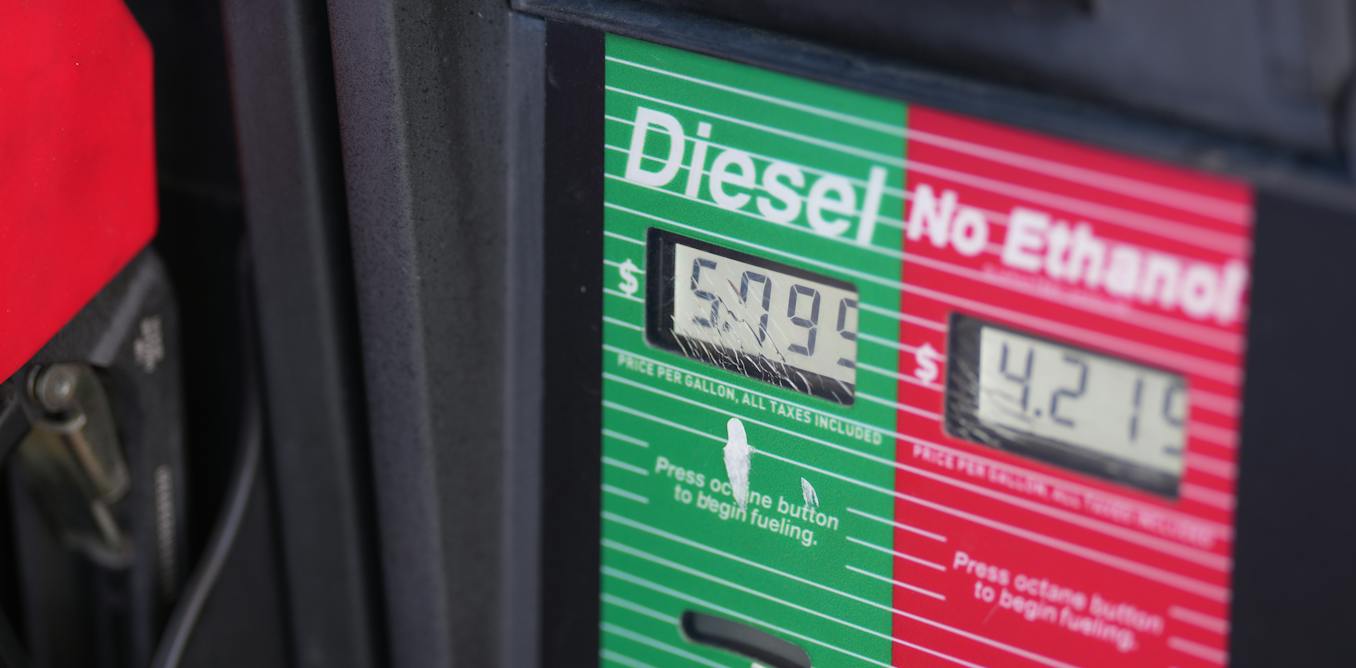
The increase in diesel costs is significantly impacting various parts of the U.S. economy, particularly the agriculture and shipping sectors, as the nation approaches the November 2026 midterm elections. This economic strain has led to political discussions, with figures like President Donald Trump considering responses such as a ban on U.S. diesel exports and a new deal to import Russian diesel.
In response to the crisis, the G7 nations have agreed to release an additional 100 million barrels of diesel and crude oil from their emergency reserves. This move seeks to alleviate some pressure from the global markets. However, the idea of the U.S. implementing an export ban raises questions about the potential effects on both domestic and international markets.
With the U.S. being a net exporter of petroleum products, an export ban could create a rift between U.S. and global markets, potentially reducing domestic diesel prices for a short time. However, a professor specializing in finance and market volatility warns of the adverse effects this could have globally.
The political motivation behind the discussion of export bans isn’t unprecedented. A recent study indicates that such measures are more likely when prices are high and political interests prioritize consumer preferences over those of producers. This trend is especially relevant as election day nears.
A Global Supply Squeeze
Diesel prices are reaching near-record highs, with the U.S. benchmark, ultra-low sulfur diesel, exceeding $7 per gallon in some regions. Energy costs are contributing to rising inflation, with recent data showing a 3.7% year-on-year increase in consumer prices, largely driven by gas prices.
The current situation stems from geopolitical tensions. Key diesel exporters like Russia and certain Middle Eastern countries have seen disruptions. Russia, embroiled in its fifth year of conflict with Ukraine, has banned diesel exports following significant damage to its oil refining capacity. Similarly, the Middle East has experienced turmoil after missile attacks on Iran, affecting the Strait of Hormuz’s role as a vital transit route for global oil supplies.
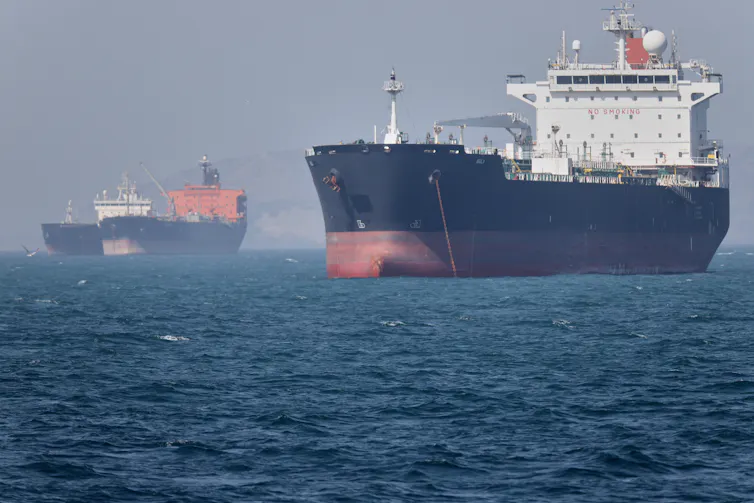
Amirhosein Khorgooi/ISNA via AP
While alternative routes and increased shipments through Saudi and Emirati pipelines have somewhat mitigated the impact, the threat of new disruptions remains. Tanker owners are charging high fees for transit through the strait, impacting diesel prices further.
What an Export Ban Would Look Like
The loss of Russian and Middle Eastern diesel has led to a surge in U.S. diesel exports, driven by high international demand and prices. However, this demand has also contributed to the spike in domestic diesel prices, prompting discussions about a potential export ban.
Such a ban would likely lower U.S. diesel prices in the short term but could lead to increased global prices and market volatility. This scenario would result in a more fragile global supply base, making the market more susceptible to subsequent disruptions.
With elections approaching and consumer dissatisfaction with high energy prices growing, the political pressure to act is mounting. The potential for an export ban reflects the complex balance governments must maintain between domestic consumer interests and global market considerations.