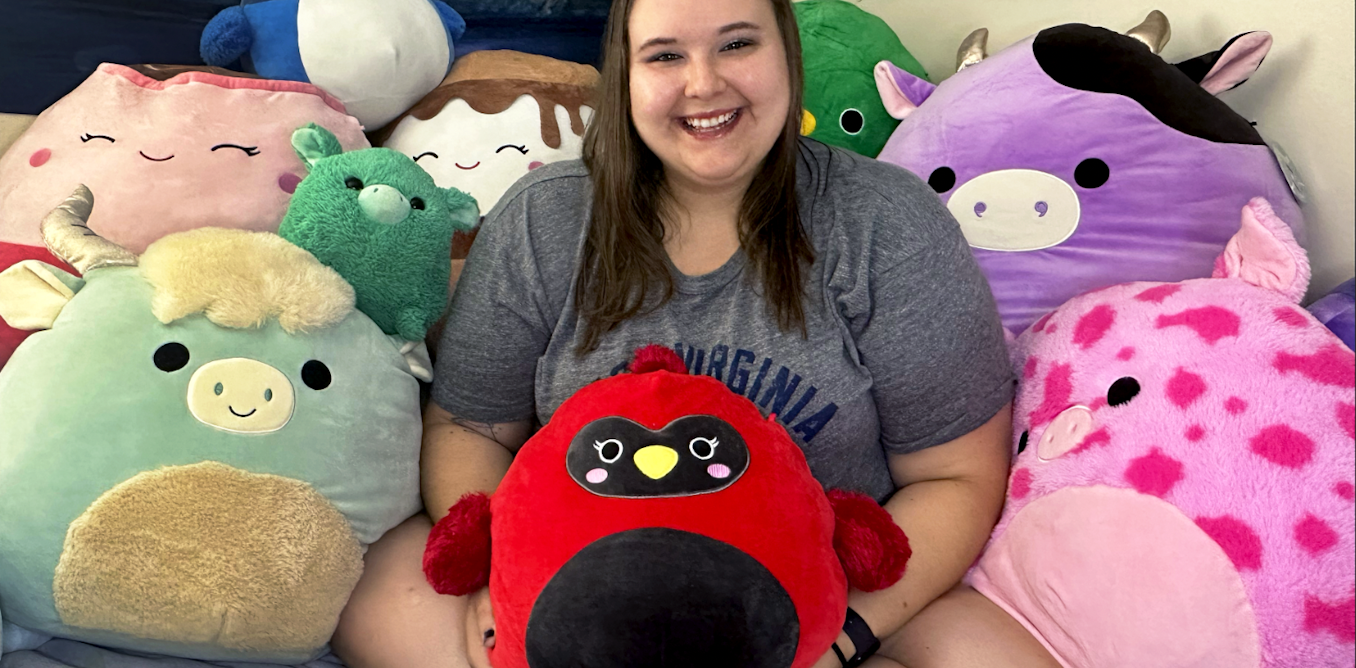
In an unexpected turn, a plush toy collection brought solace during a period of profound grief. While the world grappled with the changes brought by the COVID-19 pandemic, one individual found a peculiar comfort in a virtual community dedicated to Squishmallows. These plush toys, launched in 2017, have rapidly gained global popularity, with sales exceeding 100 million each year.
The discovery began while aimlessly browsing social media. A post on the r/Squishmallow subreddit showcased a collection of over 100 Squishmallows. Intrigued, the individual delved into this community, finding unexpected joy amidst their personal sorrow.
Eventually, the courage was mustered to participate actively. A query was posted about the availability of a cardinal Squishmallow, a bird symbolically linked to the individual’s father. The response was overwhelmingly kind, culminating in someone gifting their own cardinal Squishmallow, thus sparking the beginning of a personal collection.
Exploring the Squishmallow Community
However, the community revealed a less pleasant aspect: resellers. These individuals often turn the quest for popular Squishmallows into a competitive race, driven by profit rather than passion.
The experience mirrored larger concerns about how passion-driven communities are affected by external profiteers. As a doctoral candidate in marketing, this insight became the foundation of a dissertation exploring the emotional and psychological impact of resellers on brand communities, findings that were later published in a leading academic journal.
An incident at a local Hot Topic illustrated the frustrations caused by resellers. Arriving early to purchase a coveted strawberry cow Squishmallow, the collector was thwarted by individuals posing as mall staff to gain early access. The disappointment was compounded by seeing these resellers later boasting online, offering the item at exorbitant prices.
Such experiences are common, as evidenced by the numerous online discussions and social media posts expressing similar frustrations with resellers.
Understanding Brand Communities
This experience marked an introduction to the concept of a brand community – a network of individuals bonded by a shared enthusiasm for a product. These communities can be vast online groups or intimate local gatherings, and exist across various interests, from motorcycles to building bricks.
Brand communities extend beyond mere commerce; they are vibrant ecosystems where members share personal stories, trade items, and support each other. Despite their differences, members often form tight-knit bonds, bound by shared interests and experiences.
The Reseller Dilemma: Unity Through Adversity
Resellers, who purchase popular items to sell at a profit, are often seen as outsiders disrupting these communities. They gather information, track trends, and implement strategies to secure the most in-demand products, much to the dismay of genuine collectors.
Despite the frustration resellers cause, they inadvertently strengthen community ties by providing a common adversary. Collectors unite in response, sharing information, assisting each other in finding items, and organizing trades to circumvent inflated prices. In this way, resellers, while a source of anguish, also foster increased community interaction.
The Essence of Brand Communities
These communities offer a reminder that no one is alone, even in the darkest times. Participating in a niche group, whether for toys, cars, or other collectibles, enriches life beyond the objects themselves. The healing came not from the Squishmallows, but from the emotional connections formed within the community.
Moreover, an appreciation emerged for the role resellers play in uniting the community, even if the personal desire for a strawberry cow Squishmallow remains unfulfilled.