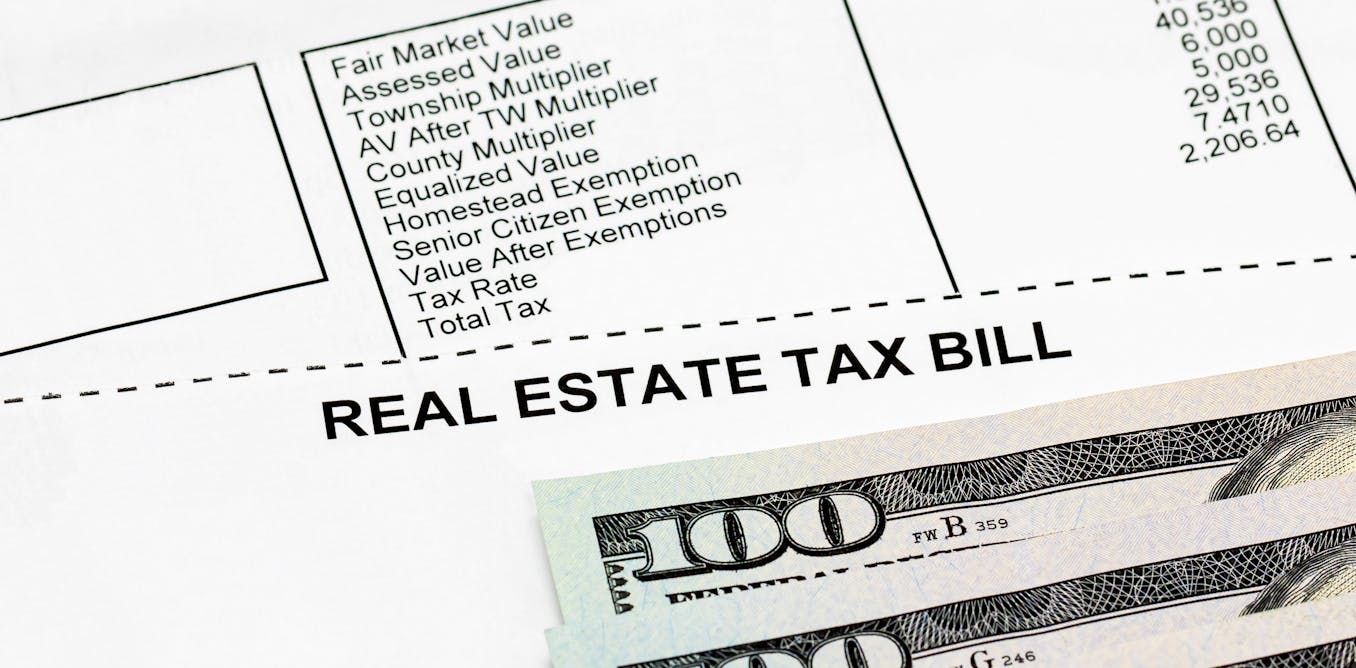
Amid increasing financial pressures from inflation, and escalating insurance premiums, many Floridians are confronting a financial squeeze. A new constitutional amendment on the ballot could offer some relief by reducing property taxes for homeowners.
This proposed amendment, requiring approval from 60% of voters, could significantly lower property taxes if passed. This comes as a potential financial reprieve for homeowners burdened by rising costs due to extreme weather and high property values.
Understanding the Amendment
Florida homeowners currently benefit from a homestead exemption that allows them to reduce their home’s assessed value for tax purposes by up to $50,000. The proposed Amendment 3 seeks to increase this exemption to $150,000 in 2027 and $250,000 in 2028, effectively lowering property taxes, though not eliminating them entirely.
Those moving to Florida after December 31, 2026, would initially qualify for a smaller exemption until they have resided in the state for five years, according to news reports. However, the amendment does not extend tax relief to renters, leaving landlords potentially facing tax hikes as property values rise.
Fiscal Implications
The Florida Revenue Estimating Conference projects that the amendment could decrease property tax revenues by $11.8 billion annually. Proponents argue that this would make homeownership more affordable without sacrificing funding for essential services. Critics, however, warn of potential budget deficits and the erosion of critical services.
Emergency services and other essential services, which are largely funded by local property taxes, could be at risk if the amendment leads to significant revenue shortfalls. The Florida Fire Chiefs’ Association has expressed concerns, highlighting potential uncertainties in emergency services funding.
Potential Outcomes
While current homeowners might enjoy lower property taxes, businesses, landlords, and owners of non-homestead properties could see their taxes rise. This shift in the tax burden could lead to increased taxes in other areas or necessitate greater reliance on federal funding to fill budget gaps.
Local governments might respond to reduced property tax revenues by raising taxes on other property categories, increasing special assessments, or hiking fees for specific services. Additionally, they could explore other revenue sources, such as higher local sales taxes or increased charges on tourism-related services.
Broader Impacts
While Amendment 3 aims to lessen the financial load on homeowners, it raises questions about fiscal sustainability and the adequacy of funding for vital services. Smaller counties, with fewer resources, may struggle disproportionately with budget shortfalls.
The amendment assumes that caps on non-homestead property assessments will prevent burdensome tax increases, but the effectiveness of these measures remains uncertain. The legality of differing exemption qualifications for new and existing residents also raises questions.
As Florida voters weigh the potential benefits and trade-offs of Amendment 3, the decision will ultimately reflect priorities regarding tax relief and the funding of essential services.