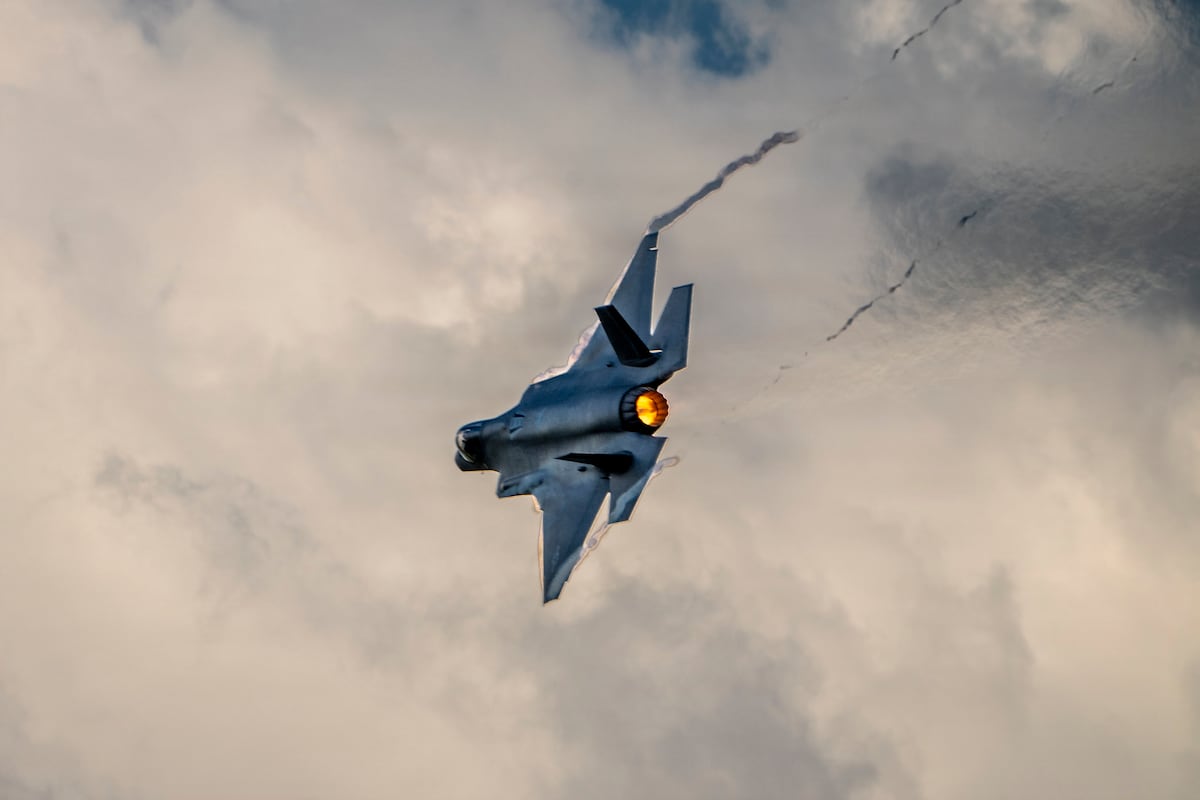
The United States has given the green light for a potential arms deal that could see Saudi Arabia acquiring F-35 Lightning II fighter jets. This approval from the U.S. Department of State marks a pivotal shift in defense relationships within the Middle East.
Such a sale could potentially redefine the military dynamics in the region and challenge the U.S. commitment to ensuring Israel’s qualitative military edge. The decision comes after Saudi Arabia directly appealed to then-President Donald Trump in early 2025, expressing a longstanding interest in Lockheed Martin’s advanced jet fighters.
The proposed deal, estimated at $24.3 billion, is set to include 48 F-35 aircraft and 49 Pratt & Whitney engines, alongside communications equipment and other essential support items. However, the sale is contingent upon congressional approval.
Historically, the U.S. has approached arms sales to the Middle East with caution, always ensuring that Israel receives superior military technology compared to its Arab neighbors. The Saudi embassy in Washington has expressed enthusiasm about the potential sale, labeling it as a testament to the robust Saudi-U.S. strategic partnership.
“The proposed F-35 sale reflects the strength and enduring nature of the Saudi-U.S. strategic partnership and the continued advancement of our defense cooperation,” the embassy stated on X.
The F-35 is renowned for its stealth capabilities, making it one of the most advanced fighter jets globally. While Israel has been the sole Middle Eastern operator of these jets for the past decade, Saudi Arabia’s interest in the fighter is driven by its efforts to modernize its military forces and address regional security threats, particularly from Iran.
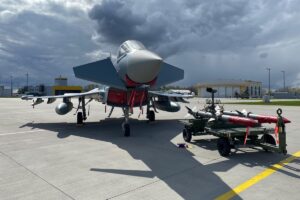
Saudi Arabia is the largest purchaser of U.S. arms and has been eager to integrate the F-35 into its air force, which currently operates a mix of Boeing F-15s, European Tornados, and Typhoons. The Trump administration’s willingness to enhance defense ties with Riyadh aligns with this ambition.
Previous discussions about providing F-35s to Saudi Arabia were part of broader diplomatic negotiations, including efforts by former President Joe Biden’s administration to encourage Saudi normalization with Israel, which ultimately did not materialize.
The Trump administration has prioritized arms sales to Saudi Arabia, culminating in a massive $142 billion defense package in 2025, described by the White House as the largest defense agreement in U.S. history.
Despite the potential deal, congressional approval remains uncertain. Lawmakers have voiced concerns about arms sales to Riyadh, especially following the 2018 murder of journalist Jamal Khashoggi. Some in Congress view the deepening military ties with caution.
Under Crown Prince Mohammed bin Salman’s Vision 2030 plan, Saudi Arabia is actively pursuing economic and military modernization. While it seeks to diversify its defense alliances, the kingdom remains committed to its longstanding security relationship with the United States.