As the war with Iran approaches its ninth month, the U.S. Navy has quietly repositioned one of its most powerful assets into the region. The arrival of the USS Theodore Roosevelt signals a continuing — and demanding — rotation of American carrier power in one of the world’s most contested waterways.
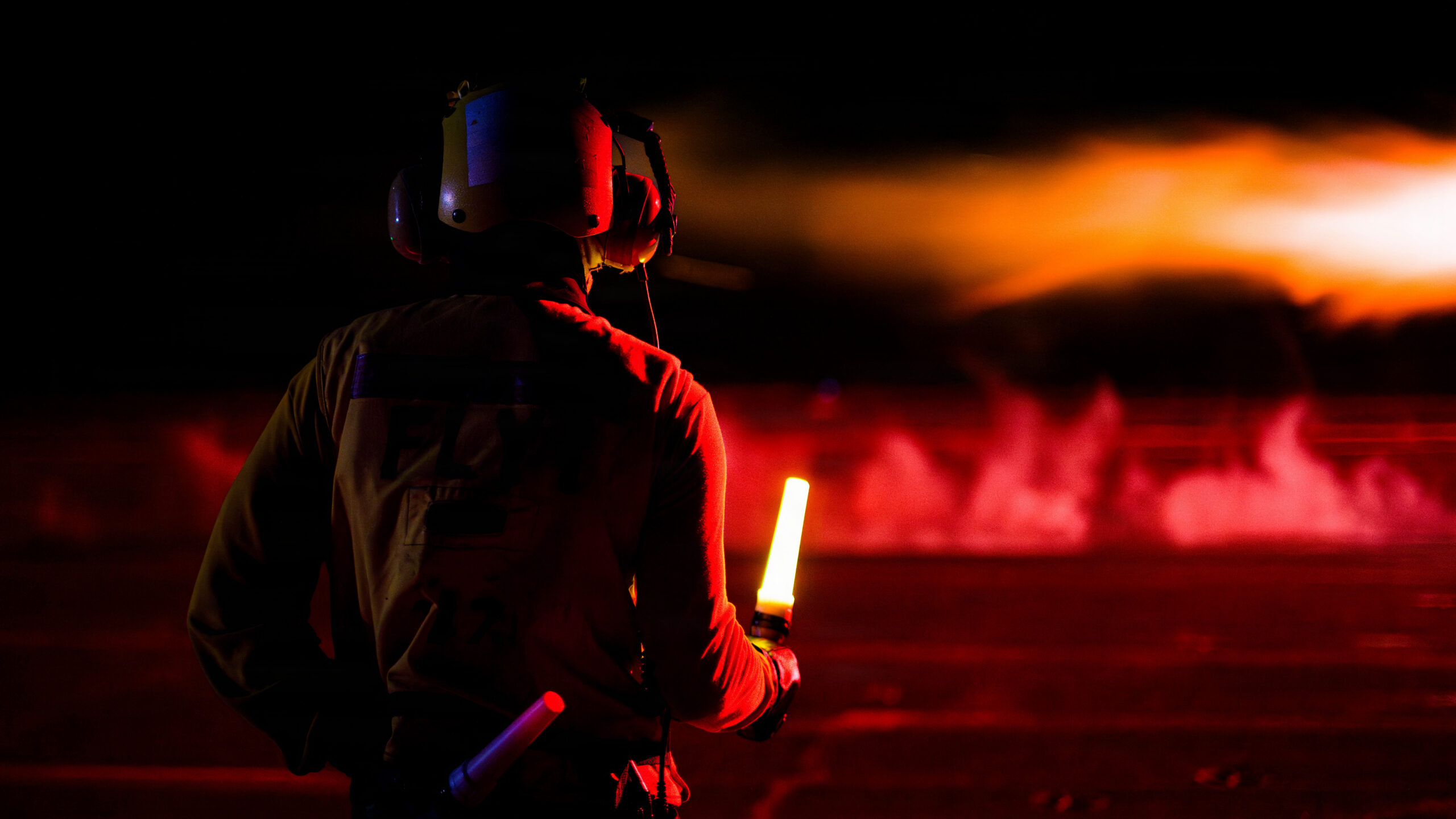
The Nimitz-class aircraft carrier USS Theodore Roosevelt is now actively operating in the Middle East, with the Navy citing a mission to “support maritime security and stability.” The Roosevelt departed its homeport in San Diego, California, on September 27, and Navy officials have advised families of crew members to prepare for a deployment of at least seven months.
The deployment comes at a moment of escalating pressure between Washington and Tehran. On Monday, the U.S. imposed new Iran-related financial sanctions targeting the country’s shadow banking networks. Iran’s Foreign Ministry responded by saying it would use all of its tools to confront the U.S. naval blockade in the Strait of Hormuz.
A Pattern of Extended Deployments
What has emerged over the course of the Iran conflict is a clear pattern: American aircraft carriers are spending longer stretches at sea with fewer opportunities for rest and resupply. The Roosevelt’s predecessor in the region, the USS George Washington, completed a comparatively brief three-month stint before being relieved. The Washington had deployed from its Yokosuka, Japan, base in May and arrived in the Middle East on August 19. It has since left the region and is currently operating in the U.S. 7th Fleet area of operations, as confirmed by a Navy release.
Before the Washington, the USS Abraham Lincoln set a striking precedent — a roughly ten-month deployment during which the crew went 286 consecutive days without a port call. That record underscores the sustained operational tempo the Navy has maintained throughout the conflict.
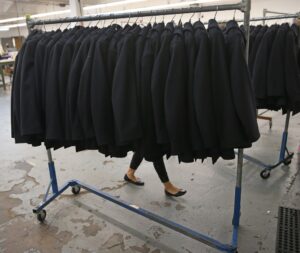
The USS Gerald R. Ford also saw time in the region. Sent to the Middle East in February, the Ford left in April after a relatively short stop — but not without serious difficulties. The ship, which ultimately deployed for nearly eleven months, experienced significant plumbing problems and an onboard laundry room fire that forced more than 600 sailors out of their sleeping quarters.
Meanwhile, the USS George H.W. Bush left Naval Station Norfolk, Virginia, on March 31 and arrived in the Middle East in April. At a November town hall meeting with Acting Navy Secretary Hung Cao, families of sailors aboard the Bush were told to expect a year-long deployment — the longest expectation set for any carrier crew during the conflict so far.