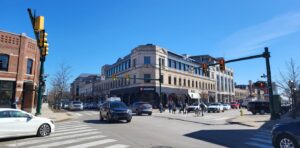
As sports teams look to the future, the Atlanta Braves’ innovative stadium model stands as a beacon of modern urban planning. Truist Park, launched in 2017, not only serves as a sports venue but also as the heart of a vibrant mixed-use development, The Battery Atlanta. This unique design merges living, working, and leisure spaces, aiming to transform seasonal sports attractions into year-round economic hubs.
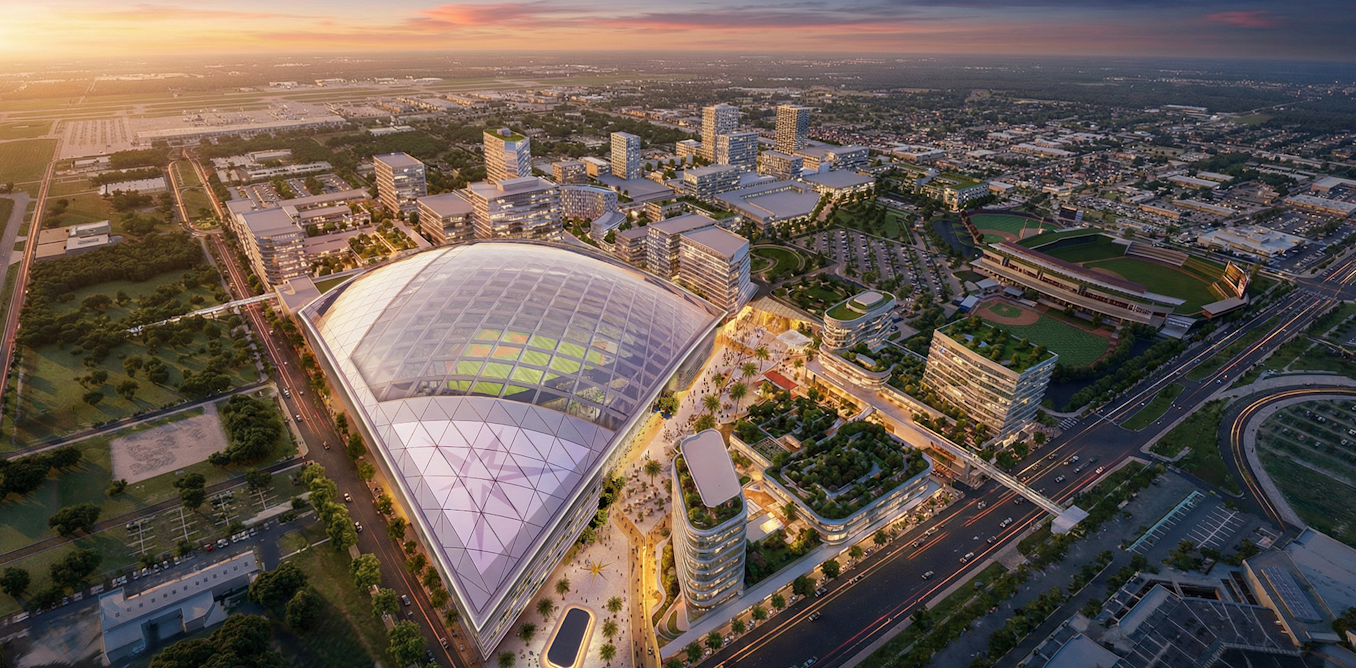
MLB Commissioner Rob Manfred referred to Truist Park’s opening as a “watershed” moment (source), forecasting it as a model for future stadium projects. Among those taking note is Patrick Zalupski, a new owner of the Tampa Bay Rays, who views this model as “the gold standard of what we want to build and develop here in Tampa Bay” (source).
Taxpayer Involvement in Tampa’s Proposal
The proposal for a new $2.3 billion stadium in Tampa is heavily reliant on public funding, with Zalupski requesting $1 billion from city and county taxpayers (source). This sum is significantly higher than the $300 million Cobb County contributed to Truist Park, which was financed through various local taxes.
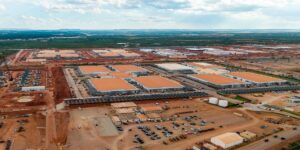
Additionally, the state of Florida has pledged $180 million for infrastructure improvements and the reconstruction of Hillsborough College, which will provide the land for the project.
Despite the hefty public investment, Rays CEO Ken Babby describes this initiative as a “generational opportunity” that promises job creation and economic growth (source).
Economic Reality of Sports Venues
Research over the last half-century indicates that sports venues rarely deliver substantial economic returns for host cities (source). The consensus among economists is that such investments do not yield significant financial benefits (source), primarily because the spending by local fans is often redirected from other local businesses rather than creating new economic activity.
Lessons from The Battery’s Development
Truist Park’s surrounding development was envisioned as a catalyst for economic growth. However, the anticipated year-round attraction hasn’t fully materialized, with most economic activity concentrated during the baseball season. Despite generating $97 million from its mixed-use component in 2025, this contribution is minimal against Cobb County’s $80 billion economy (source).
While the mixed-use strategy succeeded in boosting the Braves’ revenue, it hasn’t alleviated the financial burden on taxpayers, with Cobb County experiencing an annual loss of about $15 million due to debt obligations (source).
Implications for Future Developments
The experience of Truist Park raises questions about the viability of similar projects, such as the proposed Tampa Bay development, which risks leaving taxpayers with significant financial responsibilities. These findings suggest that while mixed-use developments may enhance a team’s profitability, they seldom cover the substantial public investments required, leaving local communities to bear the brunt.
As cities like Kansas City, Chicago, and Denver consider comparable stadium projects, the lessons from Atlanta’s experience serve as a cautionary tale about the financial realities of public investments in sports venues.
Explore more stories about Florida here.