
As sports continue to captivate the American public, the question arises: should taxpayers be burdened with the cost of building new sports facilities whenever leagues demand? This issue warrants careful examination, given the financial stakes involved.
In 2025, the NFL announced revenues of $14.5 billion, while MLB projected earnings of $12.2 billion, and the NBA approached $12 billion. These figures explain the desire for lavish stadiums, such as the Washington Commanders’ proposed $4 billion facility and the $6.75 billion SoFi Stadium in Los Angeles, the priciest NFL venue completed in 2020.
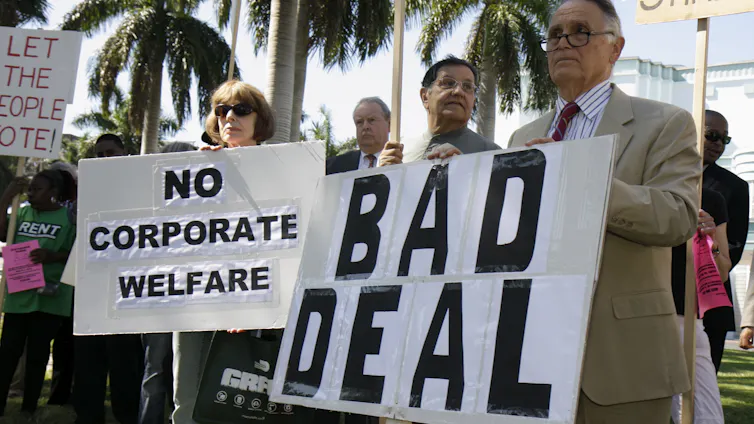
Typically, leagues and franchises do not cover the entire cost of these facilities. Instead, state or local governments often shoulder the financial burden, with taxpayers contributing approximately $33 billion to stadium construction between 1970 and 2020, equating to 73% of the total expense.
Leagues and teams entice local officials with promises of jobs, infrastructure improvements, and economic growth. However, if public funding falls short, they may threaten to relocate, taking the proposed benefits with them.
Economic Impact: A Closer Look
Claims of economic benefits from public financing are often exaggerated. Studies indicate that these subsidies rarely repay the initial investment. For instance, research demonstrates negligible impacts on per capita income and job growth, with no significant effect on new business openings or property values.
Tax Revenue versus Public Costs
Stadiums are touted as catalysts for increased tax revenues, yet evidence suggests otherwise. An analysis of Atlanta’s Truist Park, home to the Braves, showed a minor rise in tax revenue. However, this did not offset the public subsidies, resulting in taxpayers losing about $15 million annually due to unrecouped expenses.
Negative Spillover Effects
Beyond financial concerns, stadiums can negatively impact surrounding communities. Issues such as congestion, pollution, and increased crime are potential byproducts of these developments, affecting local residents and businesses.
Jeffrey Greenberg/Universal Images Group via Getty Images
Understanding the Economic Trade-offs
When analyzing the economic impact of stadiums, it’s crucial to consider resource allocation and trade-offs. Fans often redirect their leisure spending rather than increasing overall economic activity. Money spent at a stadium typically comes from local residents, not out-of-town visitors, leading to no net gain in local economies.
Moreover, public funds allocated to stadiums could be used for other community needs, such as education or infrastructure. The economic impact analyses used to promote these projects often contain overly optimistic forecasts, as seen in proposals for new stadiums in Raleigh and Kansas City, which assume continuous growth for decades.
Ongoing Challenges and Future Considerations
The debate over publicly funded stadiums continues as new projects arise. The Buffalo Bills’ new stadium, costing $2.1 billion, and the Tennessee Titans’ $2.1 billion venture with $1.2 billion in public funding are among recent developments. With the average stadium lifespan around 30 years, a wave of construction is anticipated as older venues are replaced or renovated.
The financial and economic implications remain a pressing issue for policymakers. As D.C. Councilman Charles Allen highlighted during discussions on the Commanders’ stadium, budget constraints raise critical questions about resource allocation for facilities used only a few times annually.