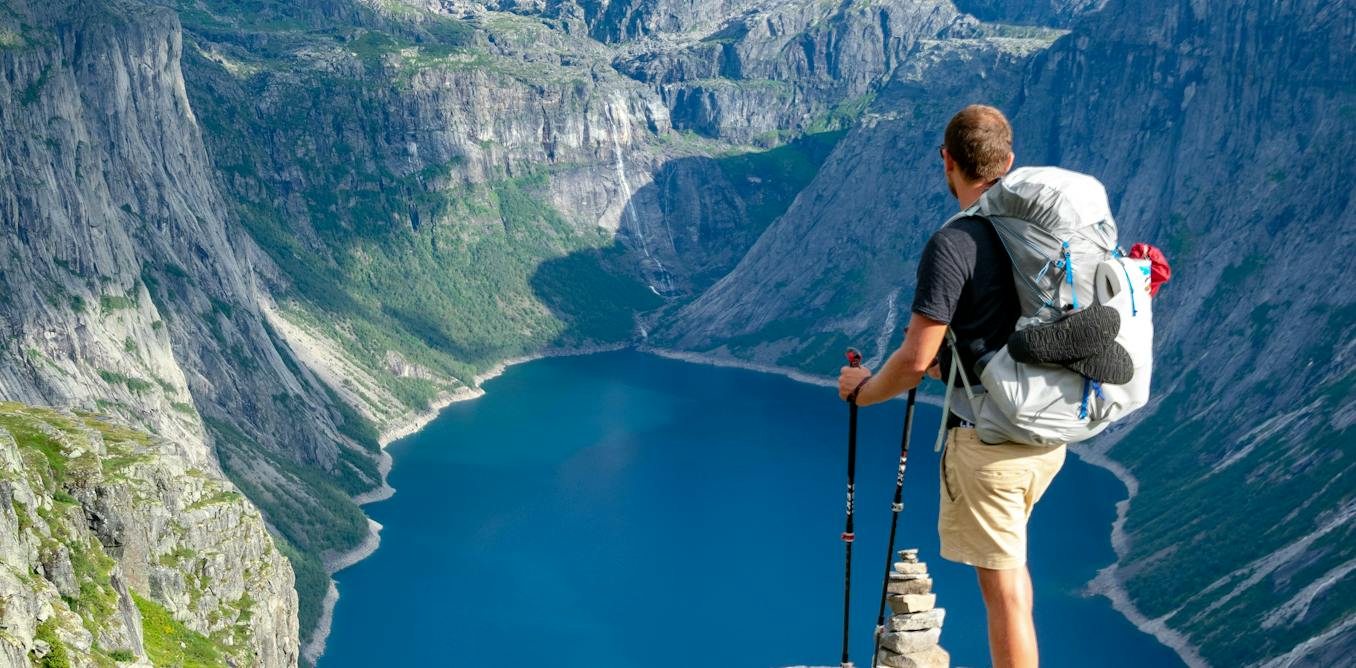
The trend of traveling alone is gaining momentum, pushing an industry traditionally focused on couples to reconsider its offerings.
In April 2026, Google revealed that online searches for “solo travel” reached unprecedented levels, with “women solo travel” inquiries hitting a 15-year high. According to Hilton’s 2026 trends report, 26% of travelers intended to travel alone, with nearly half planning to extend family trips with solo days.
This isn’t a recent phenomenon. Back in 1992, the solo consumer was recognized as an underserved market. However, as tourism researchers have noted, the hospitality industry still prefers double occupancy, often charging solo travelers a “single supplement” fee.
Why does this practice persist? For many hotels and cruise lines, costs remain unchanged whether one or two people occupy a room. The supplement reflects an industry focus on pairs, signaling a product designed for two.
I am a researcher exploring what I term the solo economy: how markets adapt, or fail to adapt, to the rise of single living. My previous writings discuss how retail and dining still cater to pairs.
The travel industry is more progressive in recognizing these shifts, but there’s still a long way to go.
Changing Demographics
The increase in solo living is significant. In 2025, 39.7 million Americans lived alone, representing 29% of households, up from 20% in 1975. Meanwhile, married couples have decreased to 47% of households from 66% five decades ago.
However, these statistics alone don’t explain solo travel. Some solo dwellers are in relationships, and married individuals also take solo trips. People living alone and vacationing alone are distinct behaviors.
The underlying change is the assumption that adults always travel with a partner, a notion now being challenged.
Addressing Pricing Challenges
Some travel companies are reducing the single supplement. For instance, Tauck is waiving the fee for certain riverboat cabins and reducing it for land tours. Aurora Expeditions offers 10 solo cabins per sailing with no supplement.
Norwegian Cruise Line pioneered the concept in 2010 with Studio staterooms, designed for solo travelers at single-occupancy rates, featuring a Studio Lounge for socializing.
In 2024, they expanded solo categories to their entire fleet, but this mostly involved rebranding existing double-occupancy rooms.
A more tailored approach comes from Yotel’s Solo rooms, offering 114 square feet of space built specifically for one person, reflecting genuine solo design.

Keriliwi on Unsplash
Social Aspects of Solo Travel
Designing for solo travelers often incorrectly assumes they desire solitude. However, Google’s 2026 data showed record interest in “travel groups” and “tour groups.” A Mastercard survey found that 39% of international travelers had traveled alone, and 70% of leisure travelers sought solo experiences with social opportunities.
Privacy and isolation are distinct. Many solo travelers want control over their itinerary but still seek company during meals.
The double-occupancy pricing model assumes travelers bring their own companions. Addressing this requires not just pricing changes but also providing social components.
Marketing to Solo Travelers
Despite industry changes, travel marketing still often highlights couples: two glasses of wine, two chairs, two people against a sunset. Sandals Resorts, for example, has a dedicated resort category for couples.
When solo travel is promoted, it often focuses on adventure and self-discovery. AARP’s solo-travel guide discusses personal growth. Meanwhile, Norwegian assures solo travelers they will enjoy their own company.
This framing suggests solo travel is unusual, even as it becomes more common. The industry needs to embrace solo travelers, offering them control and social interaction on their terms.