Japanese Drone Fleet Shrinks as Surveillance Aircraft Crashes into Sea of Japan
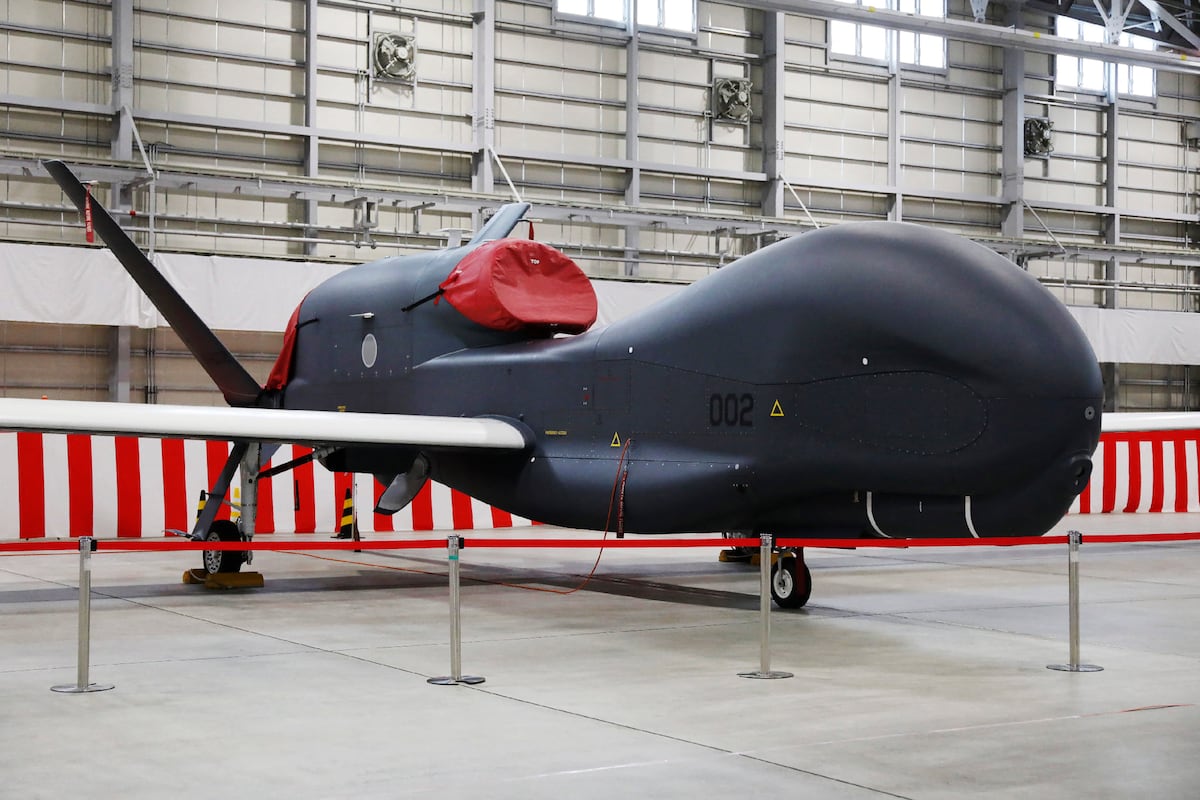
In a significant blow to Japan’s aerial surveillance capabilities, a Global Hawk drone operated by the Japan Air Self-Defense Force (JASDF) plunged into the Sea of Japan on September 15, reducing the country’s fleet of these sophisticated unmanned aircraft by a third. The incident occurred after the JASDF lost communication with the drone at 12:55 p.m., with its radar signature disappearing just three minutes later.
Japan had invested approximately $163 million per aircraft for its three RQ-4B Block 30i Global Hawks, manufactured by Northrop Grumman nearly ten years prior. These drones, based at Misawa Air Base and operated by the 502nd Squadron, are vital for monitoring regional security threats, including North Korean missile activities and Chinese military maneuvers.
The doomed drone had embarked on a mission at 10:20 a.m. on the day of the crash. JASDF Chief of Staff Gen. Takehiro Morita clarified that the flight was not a training exercise, though the specifics of the mission remain undisclosed. The crash led the Japan Coast Guard to discover debris in the sea 50 minutes post contact loss, confirming the aircraft’s identity.
Despite the high cost and technological restrictions imposed by the United States on the Global Hawks, their extensive range makes them indispensable to Japan’s defense strategy. However, the incident underscores the vulnerabilities inherent in maintaining a small fleet of such crucial assets.
In response to evolving defense needs, Japan plans to expand its unmanned capabilities with the inclusion of MQ-9B SeaGuardians, set to join the Japan Maritime Self Defense Force by 2027. While these drones offer reduced range and endurance compared to the Global Hawk, they are intended to bolster maritime domain awareness.
The 2027 defense budget draft allocates $1.88 billion for the initial 17 SeaGuardians, which will eventually assume roles currently held by existing maritime patrol aircraft such as the P-1 and P-3C Orion. Meanwhile, the United States has extended the operation of its own Global Hawks, with three stationed at Yokota Air Base near Tokyo until 2033, ensuring continued collaboration with Japan.
As Japan navigates the complexities of modern defense, the loss of a Global Hawk highlights the increasing importance placed on unmanned technology and international partnerships in maintaining security and surveillance capabilities in the region.