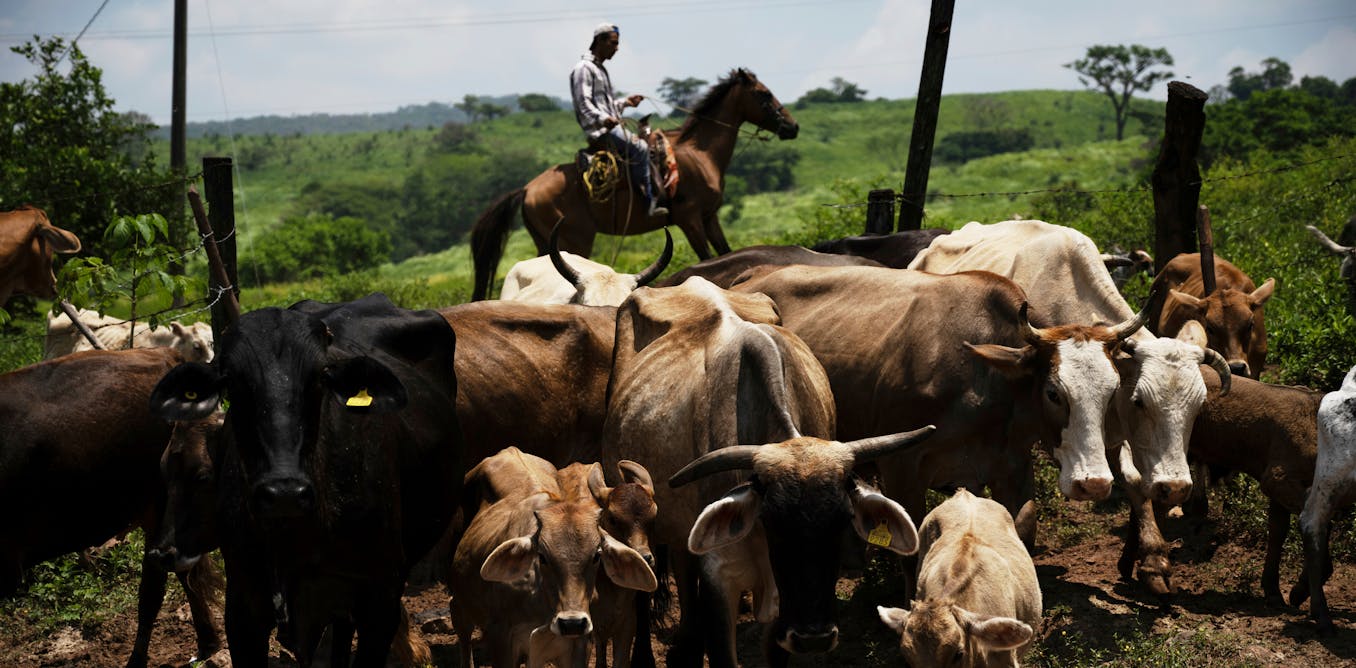
As summer settles in, Americans typically fire up their grills, but this year, the rising beef prices may dampen the barbecue season. Contributing to the escalating costs is a major screwworm outbreak that originated in Mexico and has now spread to parts of the United States, exacerbating the already declining cattle numbers due to persistent drought conditions.
The beef industry faces potential turbulence as trade negotiations between the U.S. and Mexico unfold, following President Donald Trump’s cautionary remarks about possibly withdrawing from the existing trade pact. This comes at a time when North America’s beef market is tightly interwoven, influencing production, pricing, and trade across borders.
The Impact of Trade Dynamics
Since the North American Free Trade Agreement (NAFTA) in 1994, trade between the U.S., Canada, and Mexico has been a cornerstone of economic integration, succeeded by the United States–Mexico–Canada Agreement (USMCA) in 2020. This agreement now faces a crucial review period, with the possibility of reverting to annual assessments if not renewed by July 1, 2026.
Beef markets are particularly sensitive to any changes due to their exemption from recent tariffs imposed by the Trump administration in 2025. The seamless movement of cattle and beef products across borders is vital to maintaining stable prices and supply, with the U.S. importing significant numbers of cattle from its neighboring countries to ensure a steady market flow.
However, the ongoing screwworm outbreak has severely impacted cattle imports, particularly from Mexico, where imports plummeted by over 80% in 2026. This disruption, along with Canada’s reactionary bans on cattle from affected regions in the U.S., threatens to further constrict supplies and inflate prices.
Trade Negotiations and Economic Stakes
The current negotiations extend beyond agriculture, touching on broader issues like labor standards and digital trade. Yet, the beef sector remains a critical area of focus due to its substantial economic stakes. In 2025, U.S. beef exports to Mexico and Canada amounted to over $2 billion combined, underscoring the importance of maintaining strong trade relationships.

AP Photo/Nati Harnik
Exiting the USMCA could have severe repercussions on North American trade, potentially leading to increased tariffs and non-tariff barriers such as stricter inspections and quotas. These changes could slow trade, disrupt supply chains, and ultimately result in higher costs for consumers and producers alike.
U.S. ranchers are wary of these potential outcomes, drawing parallels to past trade disruptions in other sectors. As one rancher noted, “We can’t lose demand for our products. Look what happened with soybeans last year when China quit buying.” The stakes are high as the U.S. seeks to navigate these complex trade dynamics without undermining its agricultural markets.